Dar Si Said Museum is a late-19th-century palace and Moroccan textile museum at 8 Rue de la Bahia, Marrakesh 40000, in the southern medina’s Riad Zitoun Jdid area. Built between 1894 and 1900 for Si Sa’id ibn Musa, brother of Grand Vizier Ba Ahmad, it draws visitors for painted cedar ceilings, carved plasterwork, courtyard gardens, and weaving traditions. The museum is temporarily closed following the September 2023 earthquake, with no confirmed reopening date. Do not plan an interior visit until reopening is announced.
What to Expect at Dar Si Said Museum
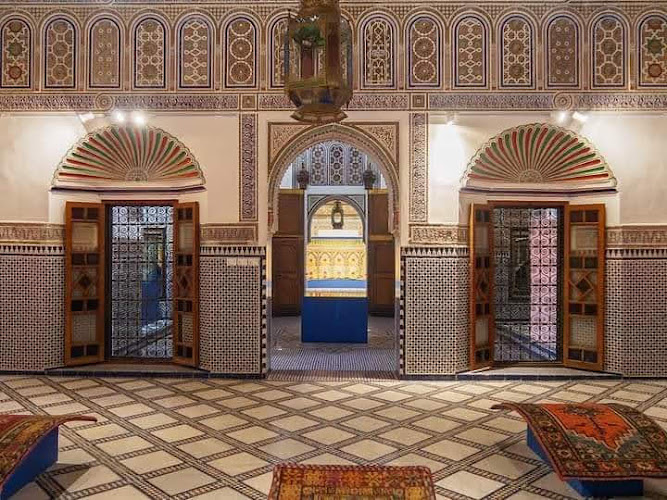
The palace belongs to the same courtly world as nearby Bahia Palace, commissioned by Si Sa’id’s more powerful brother. Its architecture rewards close looking: geometric zellige tilework lines lower walls, carved stucco frames openings, and painted cedar ceilings turn reception rooms into richly patterned interiors. A planted riad courtyard and garden pavilion provide a contrasting domestic scale. Established as a museum in 1932, the residence underwent refurbishment before reopening in 2018 as the National Museum of Weaving and Carpets.
That later identity emphasizes regional carpet-making, weaving techniques, and the relationship between textiles and everyday Moroccan life. Look for differences between knotted pile carpets and flatwoven textiles rather than treating every geometric design as interchangeable. The museum’s earlier decorative-arts collections encompassed carved wood, jewelry, ceramics, and metalwork. One celebrated historical object associated with Dar Si Said is an early-11th-century marble basin from Córdoba, decorated with animals; it is a basin, not a wooden chest. Exhibition arrangements after reopening may differ from earlier displays.
- Grand reception hall: A formal palace interior where elaborate surface decoration expressed the owner’s standing within the royal administration.
- Painted cedar ceilings: Floral and geometric painting demonstrates the close relationship between woodworking, architecture, and decorative design.
- Zellige courtyards: Small glazed tiles create geometric compositions around the palace’s domestic circulation spaces.
- Riad garden pavilion: A garden-centered retreat that invites comparison with the larger ceremonial spaces of Bahia Palace.
- Carpet and weaving collections: Regional textile traditions form the museum’s principal identity following its 2018 refurbishment.
Dar Si Said Museum at a Glance
| Detail | Information |
|---|---|
| Address | 8 Rue de la Bahia, Marrakesh 40000, Morocco |
| Neighborhood / Area | Riad Zitoun Jdid, southern medina |
| Operating Hours | Temporarily closed; advertised reopening schedule is daily, 10:00–18:00. |
| Admission / Price Range | Paid admission; advertised adult fee upon reopening: 30 MAD. Budget tier: $. |
| Recommended Visit Duration | 60–90 minutes once reopened |
| Nearest Transit / Parking | Taxi access near Bahia Palace and Place des Ferblantiers; paid parking around the Mellah and Place des Ferblantiers, followed by a walk. |
| Official Website & Phone | Dar Si Said visitor information; +212 5243-89564 |
Visiting Tips, Getting There & Nearby Pairings
Check the closure and opening-hours page before setting out; an advertised future schedule is not an operating timetable during closure. Once visits resume, aim for opening time and start with the courtyard before following the textile rooms and reception spaces. Confirm guided-tour or audio-guide availability, photography permissions, and bag-storage arrangements at reception before entering. Keep luggage at your accommodation rather than relying on a cloakroom, and treat any shop or café stop as optional rather than essential to the visit.
From Jemaa el-Fna, allow roughly 15 minutes on foot through the southern medina; city buses serve the Koutoubia/Arset El Bilk side of the square, not the museum lane. A taxi to Bahia Palace usually leaves a shorter walk. Do not attempt to drive directly to the door. The historic palace has upper rooms reached by stairs, while surrounding lanes can be uneven and congested; wheelchair users should establish the available ground-floor route before arrival. Pair the area with Bahia Palace, about five minutes away, Place des Ferblantiers, roughly ten minutes away, and El Badi Palace, around 15 minutes away on foot.
Frequently Asked Questions
Is Dar Si Said Museum open, and when is the best time to visit?
It remains temporarily closed following the September 2023 earthquake, without a confirmed reopening date. The advertised schedule after reopening is daily, 10:00–18:00; opening time is a sensible choice for a focused visit.
How much are tickets, and should I reserve?
The advertised adult admission upon reopening is 30 MAD. Check the ticket page for revised prices and entry arrangements before paying; do not purchase an interior visit while closure continues.
How long should I allow?
Allow 60–90 minutes once the museum reopens. Add another hour or more for Bahia Palace rather than rushing both residences into a single short stop.
Is the museum suitable for families and wheelchair users?
Courtyards, patterned ceilings, and textile designs offer accessible subjects for children, but strollers encounter stairs and uneven approaches. Upper-floor access requires particular planning for wheelchair users; call ahead about accessible routes and toilet facilities.
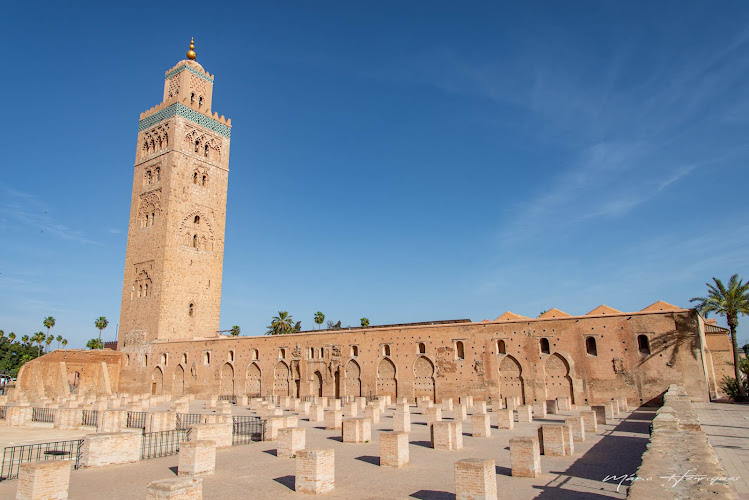
When planning your Marrakech travel guide or browsing verified attractions in Marrakech, pair this stop with standout local spots including Minaret de la Koutoubia, Amanjena, Heritage Museum Marrakech/Museé du Patrimoine, and Musée Tiskiwin Marrakech (nearby).