Editorial disclosure: This destinations.ai guide was prepared with AI assistance and checked against the official sources linked below. Accommodation and activity placeholders may use affiliate links; that does not change the planning advice.
Overview: Why Visit Meteora
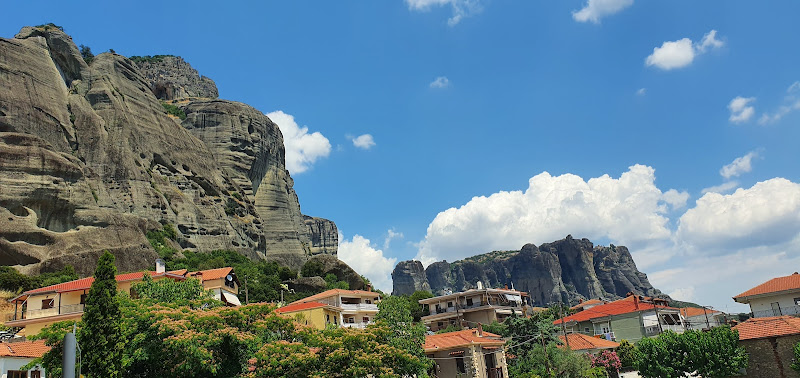
Meteora (Greek: Μετέωρα, meaning “suspended in the air”), situated in the Plain of Thessaly in central Greece near the towns of Kalabaka and Kastraki, is a UNESCO World Heritage site of awe-inspiring geological and spiritual significance. Rising dramatically up to 400 meters (1,300 feet) above the valley floor, monumental sandstone and conglomerate rock pinnacles host six active medieval Eastern Orthodox monasteries founded between the 14th and 16th centuries by hermit monks seeking refuge and divine contemplation.
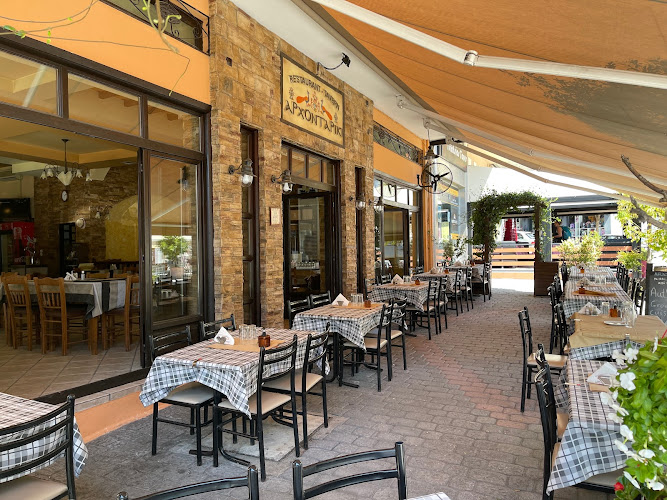
Top highlights include climbing the rock-carved steps to the Holy Monastery of Great Meteoron (the oldest and highest monastery), viewing post-Byzantine frescoes by Cretan master Theophanes at Saint Nicholas Anapausas, admiring the dramatic cliffside suspension of Holy Trinity (Agia Triada), hiking ancient cobbled monk trails (*monopatia*) through hermit caves, catching golden hour sunsets from the Psaropetra Panoramic Viewpoint, and dining on spit-roasted pork (kontosouvli) and giant baked beans (gigantes) in traditional tavernas.
Best Time to Visit Meteora
Quick answer: Spring (April to May): The premier season for hiking and photography. Daytime temperatures average a pleasant 18°C to 23°C (64°F to 73°F). The valley floor and mountain slopes are carpeted in green grass and wildflowers, with clear mountain skies and uncrowded monastery access. Greek Orthodox Easter (*Pascha*) features candlelight processions in Kalabaka.
- Spring (April to May): The premier season for hiking and photography. Daytime temperatures average a pleasant 18°C to 23°C (64°F to 73°F). The valley floor and mountain slopes are carpeted in green grass and wildflowers, with clear mountain skies and uncrowded monastery access. Greek Orthodox Easter (*Pascha*) features candlelight processions in Kalabaka.
- Autumn (September to November): Crisp mountain weather (16°C to 22°C / 61°F to 72°F) with dramatic autumn foliage across the surrounding Pindus Mountains. Morning mist frequently pools in the canyons below the rock pillars, creating the optical illusion that the monasteries are floating on clouds.
- Summer (June to August): Hot and dry, with midday valley temperatures reaching 33°C to 38°C (91°F to 100°F). Heavy tour bus crowds arrive between 10:00 AM and 3:00 PM; visiting monasteries early in the morning (9:00 AM) or during late afternoon is essential.
- Winter (December to February): Quiet and peaceful with temperatures averaging 5°C to 11°C (41°F to 52°F). Snow occasionally dusts the tops of the dark sandstone towers, creating breathtaking photographic contrasts with zero tourist crowds.
The Six Active Monasteries of Meteora
Quick answer: Holy Monastery of Great Meteoron (Megalo Meteoron): Founded in the 14th century by Saint Athanasios the Meteorite, this is the largest, oldest, and most prominent monastery, perched atop a massive rock pillar at 613 meters above sea level. Highlights include the 16th-century Church of the Transfiguration (featuring frescoes of the Macedonian School), the historic monastic kitchen (*hestia*), the wooden windlass and net system once used to hoist monks, and the atmospheric ossuary housing centuries of monks’ skulls. Closed Tuesdays in summer (Tues/Wed in winter).
- Holy Monastery of Great Meteoron (Megalo Meteoron): Founded in the 14th century by Saint Athanasios the Meteorite, this is the largest, oldest, and most prominent monastery, perched atop a massive rock pillar at 613 meters above sea level. Highlights include the 16th-century Church of the Transfiguration (featuring frescoes of the Macedonian School), the historic monastic kitchen (*hestia*), the wooden windlass and net system once used to hoist monks, and the atmospheric ossuary housing centuries of monks’ skulls. Closed Tuesdays in summer (Tues/Wed in winter).
- Holy Monastery of Varlaam: The second-largest complex, situated directly opposite Great Meteoron. Built in 1541 by wealthy priest-brothers Theophanis and Nektarios Apsarades. Features the Katholikon of All Saints (adorned with striking frescoes by Frangos Katelanos), a 16th-century 12,000-liter oak water barrel, and an outstanding ecclesiastical museum showcasing gold-embroidered vestments and illuminated Byzantine manuscripts. Closed Fridays.
- Monastery of the Holy Trinity (Agia Triada): The most dramatically isolated and photogenic monastery, perched on a sheer, standalone monolith reachable by descending a valley footpath and ascending 140 rock-cut steps. Featured prominently in the 1981 James Bond film For Your Eyes Only. Offers sweeping panoramic views over the town of Kalabaka and the Peneus River. Closed Thursdays.
- Monastery of Roussanou (Saint Barbara): Occupying a narrow, vertical needle pinnacle and accessible via two stone bridges connecting across the gorge. Founded in the 16th century and operated as a functioning nunnery since 1988, celebrated for its peaceful courtyard gardens and 1560 Cretan-school wall frescoes. Closed Wednesdays.
- Monastery of Saint Stephen (Agios Stefanos): The most easily accessible monastery, connected to the road by a flat modern footbridge (ideal for travelers with limited mobility). Converted into a nunnery, featuring an 18th-century Katholikon dedicated to Saint Charalambos whose relics are believed to possess healing properties. Closed Mondays.
- Monastery of Saint Nicholas Anapausas: The first monastery encountered when driving up from Kastraki. Built vertically over three compact levels on a small rock ledge, housing rare 1527 frescoes painted by Cretan master Theophanes the Cretan—including the iconic scene of Adam naming the animals in the Garden of Eden. Closed Fridays.
Suggested 2-Day Meteora Itinerary
Quick answer: Day 1: Western Monasteries & Sunset from Psaropetra. Arrive by morning train or car into Kalabaka/Kastraki. Start your visit at 9:00 AM at Great Meteoron before tour buses arrive. Walk across to Varlaam Monastery to tour the museum and historic water barrel. Enjoy lunch in the traditional stone village of Kastraki. In the afternoon, visit the vertical cliffside nunnery of Roussanou. At golden hour, head to the Psaropetra Viewpoint to watch the sun set over the glowing rock towers. Dine on Kontosouvli at a local taverna.
- Day 1: Western Monasteries & Sunset from Psaropetra. Arrive by morning train or car into Kalabaka/Kastraki. Start your visit at 9:00 AM at Great Meteoron before tour buses arrive. Walk across to Varlaam Monastery to tour the museum and historic water barrel. Enjoy lunch in the traditional stone village of Kastraki. In the afternoon, visit the vertical cliffside nunnery of Roussanou. At golden hour, head to the Psaropetra Viewpoint to watch the sun set over the glowing rock towers. Dine on Kontosouvli at a local taverna.
- Day 2: Eastern Monasteries, Monk Trails & Byzantine Heritage. Climb the rock-hewn steps to Holy Trinity Monastery in the early morning. Continue along the scenic ring road to Saint Stephen Monastery. In the afternoon, hike down the ancient cobblestone trail from Kastraki to Saint Nicholas Anapausas and the Hermit Caves of Badovas. Visit the 10th-century Byzantine Church of the Assumption of the Virgin Mary in Kalabaka before your evening departure.
Thessalian Mountain Gastronomy
Quick answer: Kontosouvli: Large chunks of tender pork shoulder or lamb marinated in mountain oregano, garlic, paprika, olive oil, and red wine, skewered on a heavy spit and slow-roasted over open hardwood coals until deeply caramelized on the outside and juicy within.
- Kontosouvli: Large chunks of tender pork shoulder or lamb marinated in mountain oregano, garlic, paprika, olive oil, and red wine, skewered on a heavy spit and slow-roasted over open hardwood coals until deeply caramelized on the outside and juicy within.
- Gigantes Plaki: Giant white butter beans slow-baked in a rich earthenware casserole with sweet onions, fresh tomatoes, garlic, celery, dill, and Greek extra virgin olive oil, served warm with crumbled sheep’s milk feta cheese.
- Thessalian Spanakopita & Prasopita: Traditional handmade phyllo pies rolled with wild mountain greens, fresh spinach, leeks (*praso*), and tangy local goat and sheep feta.
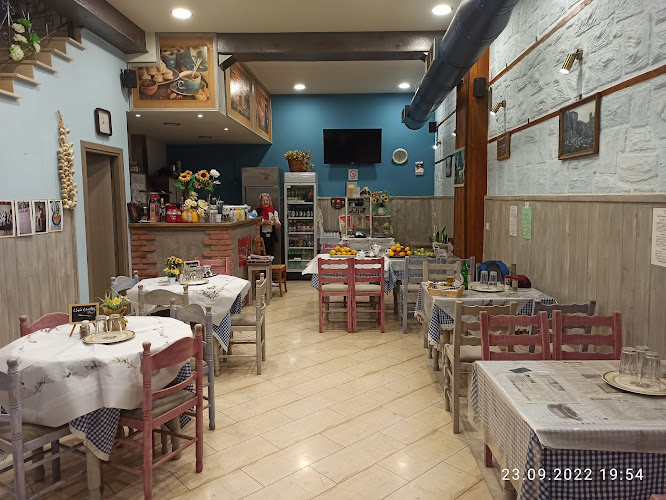
- Tsipouro of Thessaly: A potent, un-aged pomace brandy distilled from fermented grape skins after winemaking, served chilled in small carafes alongside *mezedes* (appetizer platters of olives, grilled peppers, and cured meats).
Practical Travel Tips, Dress Code & Budget
Quick answer: Strict Monastic Dress Code: As active religious communities, all six monasteries strictly enforce modest attire. Men must wear long trousers (no shorts) and shirts covering shoulders. Women must wear skirts extending well below the knee ; trousers or shorts are not permitted for women, though wrap-around skirts are available at ticket gates.
- Strict Monastic Dress Code: As active religious communities, all six monasteries strictly enforce modest attire. Men must wear long trousers (no shorts) and shirts covering shoulders. Women must wear skirts extending well below the knee; trousers or shorts are not permitted for women, though wrap-around skirts are available at ticket gates.
- Entrance Fees & Rotating Schedules: Each monastery charges a standard admission fee of €5 EUR per person (cash only). Each monastery has a different weekly closing day to ensure maintenance; plan your daily routing around the open schedule.
- Base Towns (Kalabaka vs. Kastraki): Kalabaka is the larger commercial town with the railway terminal, rental car agencies, and extensive hotels. Kastraki is a traditional stone village directly nestled at the base of the rock pillars, offering peaceful guesthouses and direct walking trail access.
- Daily Budget Breakdown:
- Budget traveler: €50–€75 USD ($55–$85)/day (guesthouse in Kalabaka, public bus to monasteries, local taverna gyro and salad meals, 3 monastery admissions).
- Mid-range traveler: €120–€210 USD ($130–$230)/day (charming stone boutique hotel in Kastraki like Pyrgos Adrachti or Divani Meteora, rental car or e-bike rental, guided sunset tour, sit-down dinners with Tsipouro).
- Luxury traveler: €350–$750+ USD ($385–$825+)/day (luxury suite overlooking the rocks at Grand Meteora Hotel, private luxury Mercedes chauffeured tour with licensed historian guide, private helicopter transfers from Athens).
Frequently Asked Questions
How many monasteries are open to visitors in Meteora?
There are six active, functioning monasteries open to the public: Great Meteoron, Varlaam, Roussanou, Holy Trinity (Agia Triada), Saint Stephen, and Saint Nicholas Anapausas.
What is the dress code for visiting the monasteries in Meteora?
Visitors must dress modestly: men must wear long pants covering the knees and shirts covering the shoulders; women must wear long skirts covering the knees (trousers and shorts are not allowed for women, though wrap-around skirts are available at entrances).
How do you reach Meteora from Athens?
Meteora can be reached from Athens by direct Hellenic Train from Athens Larissa Station to Kalabaka (approx. 4 to 4.5 hours), by intercity KTEL bus from Liosion Station, or by a 4-hour scenic drive along the A1 and E65 highways.
Affiliate placeholder: Compare accommodation options after checking the official property details, location, and cancellation terms.
Affiliate placeholder: Check current activity availability, meeting points, accessibility, and cancellation terms before reserving.
Sources and current planning links
Explore more destinations.ai travel guides when building a longer route.
For a longer regional route, compare Amsterdam, Paris, London, Vienna, Rome with this destination before finalizing your itinerary.
Explore Meteora by Category: Discover top curated spots across Meteora Attractions & Sightseeing, Best Places to Stay in Meteora, Meteora Restaurants & Dining.