Cuauhtémoc is Mexico City’s central borough, with its administrative seat at Aldama y Mina s/n, Colonia Buenavista, 06350 Ciudad de México, and an urban territory spanning Centro Histórico, Juárez, Roma, Condesa and San Rafael. Named for the last Mexica ruler, Cuauhtémoc, this is where travelers encounter the former island-city core, grand Porfirian avenues, major museums, street food and some of the capital’s most consequential public spaces.
What to Expect at Cuauhtémoc
Think of Cuauhtémoc as a walkable collection of districts rather than a single ticketed attraction. In Centro Histórico, the Zócalo anchors the colonial grid beside the Catedral Metropolitana and the excavated Templo Mayor precinct, where the stone remains of Tenochtitlan reveal the Mexica capital beneath modern streets. West along Madero and Avenida Juárez, the white-marble Palacio de Bellas Artes, opened in 1934 after construction began in 1904, combines an Art Nouveau exterior with Art Deco interiors and murals by Diego Rivera, José Clemente Orozco, David Alfaro Siqueiros and Rufino Tamayo.
Build a route around the Alameda Central, laid out in 1592 as the city’s oldest public park, then continue toward Paseo de la Reforma’s monuments and the leafy residential streets of Roma and Condesa. Roma’s early-20th-century mansions and Condesa’s streamlined Art Deco apartment blocks offer a sharp contrast with the civic scale of the Centro. Eating ranges from morning tamales and tacos in the historic core to coffee, bakeries and contemporary Mexican dining around Colima, Orizaba, Álvaro Obregón and Amsterdam avenues. Individual museums, churches and restaurants keep their own rules, ticketing and hours.
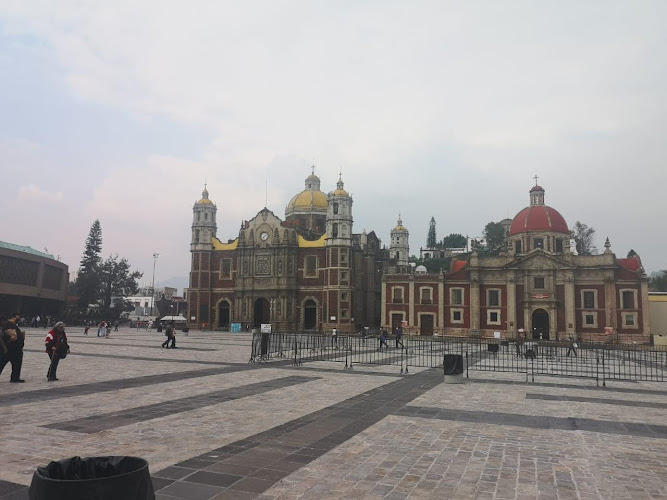
- Zócalo and Templo Mayor: Stand at the former ceremonial center of Tenochtitlan, with the cathedral, National Palace frontage and archaeological precinct concentrated within a few blocks.
- Palacio de Bellas Artes: See its white marble, orange-tiled dome, stained-glass curtain and major Mexican mural cycle; the adjoining museum and performances require separate planning.
- Alameda Central: Walk broad paved paths past fountains, sculptures and mature trees between Bellas Artes, the Hemiciclo a Juárez and Avenida Hidalgo.
- Paseo de la Reforma: Follow the 19th-century boulevard toward the Ángel de la Independencia, with public monuments, office towers and cultural institutions along the way.
- Roma and Condesa: Explore Avenida Álvaro Obregón, Plaza Río de Janeiro, Parque México and Parque España for cafés, galleries, period architecture and neighborhood-scale strolling.
Cuauhtémoc at a Glance
| Detail | Information |
|---|---|
| Address | Alcaldía Cuauhtémoc, Aldama y Mina s/n, Col. Buenavista, 06350 Ciudad de México |
| Neighborhood / Area | Central Mexico City: Centro Histórico, Juárez, Roma, Condesa, Buenavista and adjacent colonias |
| Operating Hours | Public streets and plazas are accessible daily; museums, parks, churches and businesses set separate hours. |
| Admission / Price Range | Free to explore public streets, squares and parks; museum tickets and dining range from $ to $$$. |
| Recommended Visit Duration | Half day for one district; one to two full days for Centro, Reforma and Roma-Condesa. |
| Nearest Transit / Parking | Metro Zócalo/Tenochtitlan (Line 2), Bellas Artes (Lines 2 and 8) and Hidalgo (Lines 2 and 3); paid garages are common but traffic is heavy. |
| Official Website & Phone | Alcaldía Cuauhtémoc · +52 55 2452 3300 |
Visiting Tips, Getting There & Nearby Pairings
Begin Centro Histórico soon after morning opening hours, particularly on weekdays, when pedestrian streets are easier to navigate and museum queues are generally shorter. Use Metro Zócalo/Tenochtitlan for the main square, Bellas Artes for Alameda and the palace, or Hidalgo for the Alameda’s northwest edge; consult the Metro’s official service information before travel. Driving is rarely efficient during weekday rush periods or major events around the Zócalo, so choose a paid garage only if a car is essential.
Accessibility varies block by block. Alameda Central has broad, mostly level paved routes, while Centro Histórico can involve uneven paving, crowded sidewalks and inconsistent curb cuts; older buildings may have steps or restricted wheelchair circulation. Check each museum’s access arrangements before arrival and keep extra time for crossings. Within a 5- to 15-minute walk of Bellas Artes are the Museo Nacional de Arte, the Torre Latinoamericana and the Palacio Postal; from the Zócalo, the Catedral Metropolitana and Templo Mayor are close enough to combine in one outing.
Frequently Asked Questions
What are the best hours to explore Cuauhtémoc?
Public areas can be visited throughout the day, but arrive in Centro Histórico in the morning for cooler temperatures, clearer walking routes and earlier museum entry. Weekdays are generally easier than weekends around the Zócalo, Alameda and Bellas Artes.
Is there an admission fee or do I need reservations?
The borough’s streets, plazas and public parks are free. Museums, observation decks, performances and restaurants charge separately; reserve popular restaurants and ticketed performances in advance, especially Friday through Sunday.
How much time should I budget for Cuauhtémoc?
Allow four to six hours for a focused Centro Histórico circuit covering the Zócalo, Templo Mayor area, Madero, Bellas Artes and Alameda. Add a second day to explore Reforma, Roma and Condesa without rushing between neighborhoods.
Is Cuauhtémoc suitable for families and wheelchair users?
Families will find parks, public squares and museums across the borough, though crowded pedestrian corridors require close supervision. Wheelchair and stroller users can favor Alameda Central and newer cultural venues, while planning carefully for older streets, busy crossings and variable Metro access.
When planning your Mexico City travel guide or browsing verified attractions in Mexico City, pair this stop with standout local spots including Roma, Bosque de Chapultepec, Hilton Mexico City Reforma, and Museo de Arte Popular (0.4 km away).