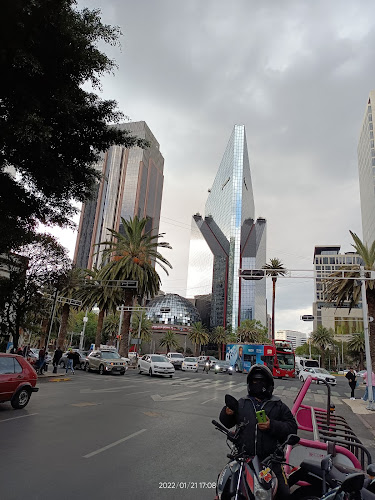
Editorial disclosure: This destinations.ai guide was prepared with AI assistance and checked against the official sources linked below. Accommodation and activity placeholders may use affiliate links; that does not change the planning advice.
Mexico City, the sprawling capital of Mexico, is one of the world’s largest and most historic cities, built atop the ancient Aztec capital of Tenochtitlan and rich in pre-Hispanic, colonial, and modern culture. Its grand central square, the Zocalo, is framed by the Metropolitan Cathedral and the National Palace with its Diego Rivera murals, beside the excavated ruins of the Templo Mayor.
Art lovers flock to Frida Kahlo’s Casa Azul in Coyoacan, while Chapultepec Park holds a castle and the renowned National Museum of Anthropology. Day trips reach the monumental pyramids of Teotihuacan and the colorful canals of Xochimilco.
The best time to visit is the dry season from November to April, with sunny, mild days; March brings purple jacaranda blooms, and the Day of the Dead around early November is the festive peak.
Affiliate placeholder: Compare accommodation options after checking the official property details, location, and cancellation terms.
Affiliate placeholder: Check current activity availability, meeting points, accessibility, and cancellation terms before reserving.
Sources and current planning links
Explore more destinations.ai travel guides when building a longer route.
How to plan a Mexico City visit
Mexico City is easier to enjoy when you plan by neighborhood: give the Historic Center, Chapultepec and Polanco, Roma and Condesa, Coyoacán, and Xochimilco separate blocks of time. The capital is large, high, busy, and full of museums, parks, food, architecture, and street life. A trip organized around a few areas will feel richer than a day spent crossing the city for isolated attractions.
The city’s official tourism department publishes guides, maps, neighborhood experiences, food information, and current activity listings. Use those resources for events, visitor modules, regulated providers, and practical updates. Confirm museum hours, timed entry, traffic, weather, and accessibility before building a day around one venue.
What are the best things to do in Mexico City?
Start with the Historic Center and Templo Mayor, then add the Palace of Fine Arts, Chapultepec, Coyoacán, a neighborhood food route, and the canals of Xochimilco if time allows. The city combines pre-Hispanic, colonial, modern, artistic, and everyday layers. Choose museums and streets that answer your interests instead of treating every famous building as compulsory.
The Zócalo and Historic Center make a strong first walk. The Metropolitan Cathedral, National Palace, Templo Mayor, Alameda Central, and nearby museums sit within a broad cultural landscape, but the route can be crowded and physically demanding. Keep valuables secure, follow current site rules, and give yourself a break from the sun, pavement, and noise.
Chapultepec combines forest, museums, lake areas, the castle, and family attractions. It is large enough to deserve its own half-day or full day. Choose a museum or castle with a park walk rather than trying to cross every section. Polanco adds galleries, design, shopping, and restaurants, while Roma and Condesa are useful for cafés, architecture, parks, and a more local neighborhood rhythm.
Coyoacán is a natural choice for travelers interested in Frida Kahlo, plazas, markets, museums, and a slower southern-city atmosphere. Casa Azul and other popular venues may need timed tickets or early booking; verify the current process before arriving. San Ángel, the Saturday Bazaar when operating, and the UNAM area can add art and history, but group them by geography rather than squeezing them into a Center day.
Xochimilco’s trajineras are a social, colorful water experience, not a silent natural lake cruise. Confirm the authorized pier, boat terms, duration, inclusions, and payment before boarding. Ask what food and music arrangements are legitimate and keep belongings secure. A clear agreement makes the outing more enjoyable and avoids turning a long ride across town into a negotiation.
Where should you stay in Mexico City?
Choose Roma or Condesa for cafés, parks, and a walkable neighborhood feel, Centro for historic access, Polanco for museums and polished dining, or Coyoacán when a southern base suits your itinerary. The best neighborhood depends on your first activities, airport transfer, evening plans, and tolerance for traffic.
Check the exact street, noise level, security arrangements, elevator, air conditioning or heating, water, breakfast, luggage storage, and cancellation terms. Mexico City’s altitude and traffic make rest useful. If you plan early museum reservations or late meals, ask the property about pickup points and realistic journey times rather than relying on a distance estimate.
What should you eat in Mexico City?
Eat in Mexico City for tacos, tamales, tortas, pozole, chilaquiles, markets, contemporary Mexican cooking, bakeries, and neighborhood cafés. The city is a destination for eating with intention: try one classic street-food route, one market or breakfast, and one restaurant that explains its ingredients. Ask residents or a reputable guide where the day’s specialties are best.
Choose busy vendors with good turnover and follow your health needs. Tell staff about allergies, celiac disease, dairy, nuts, and spice. Carry water during long walks and allow time for a meal rather than eating only between attractions. A famous restaurant far across the city may not be worth an hour of traffic; excellent food exists in every major visitor neighborhood.
What is the best time to visit Mexico City?
The dry season is often comfortable for walking and outdoor sightseeing, while the rainy season can bring clear mornings and dramatic afternoon showers. Spring jacarandas, autumn cultural events, and holiday periods each create different demand. Check the current forecast, air-quality information, event calendar, and museum schedule before choosing dates.
Mexico City’s elevation makes sun exposure noticeable even when temperatures feel mild. Carry water, sun protection, and a light layer, and keep an indoor museum or café as a weather backup. Sunday bike routes, festivals, demonstrations, public holidays, and major sporting events can alter traffic and access. Treat a recurring event as a prompt to verify, not as a guaranteed date.
How do you get around Mexico City?
Walk within a neighborhood, use the current Metro, Metrobús, or other official transit information for suitable routes, and use a regulated taxi, rideshare, or arranged transfer when luggage, late hours, or a distant attraction make that simpler. Group the itinerary geographically and allow for traffic, crowds, and station walks.
Save hotel and attraction addresses offline, keep belongings secure in busy spaces, and check the pickup location before entering a vehicle. The best route for one traveler may not suit a family, wheelchair user, or person adjusting to the altitude. Ask venues about step-free approaches and allow extra time for transfers rather than treating the city’s transport network as frictionless.
Is Mexico City good for families and accessible travel?
Mexico City can be excellent for families because parks, science and history museums, markets, plazas, boats, and food offer variety without leaving the capital. Give children one major attraction and one open or playful stop each day. Check age rules, shade, toilets, food options, and timed-entry requirements before promising an activity.
Accessibility varies between historic sidewalks, metro stations, museums, markets, boats, and older buildings. Ask directly about ramps, lifts, accessible bathrooms, seating, boat boarding, and vehicle drop-off. Coyoacán’s paving or a crowded market may be harder than a modern museum. A shorter neighborhood itinerary often works better than trying to see every district.
A practical four-day Mexico City itinerary
Four days gives a first visit time for the Historic Center, Chapultepec, a southern neighborhood, and a flexible food or market day. Add time for Teotihuacán or a slower museum schedule rather than overloading every day.
- Day one: Walk the Historic Center, visit a confirmed museum or Templo Mayor, and finish with a meal near the route.
- Day two: Explore Chapultepec and one or two museums, then choose Polanco or a nearby neighborhood for dinner.
- Day three: Spend the day in Coyoacán and San Ángel, confirming timed entry and leaving room for plazas and cafés.
- Day four: Choose Xochimilco, Roma and Condesa, a market, or a current cultural event based on weather and energy.
What day trips work from Mexico City?
Teotihuacán is the classic historical day trip, while Puebla, Cholula, or a nature route can work when current transport, weather, and return times support them. Start early, use a reputable operator or transport plan, and do not tie a long excursion to an early flight. Check official attraction access and local conditions before leaving the city.
Mexico City is big enough to keep revealing itself after the famous sights are done. Use the official tourism guides below, choose neighborhoods instead of traffic marathons, and leave room for a breakfast, a museum conversation, a sudden shower, and the food stall that was not on your original map.
For a longer regional route, compare Los Angeles, California, Miami, Florida, Havana, Cuba with this destination before finalizing your itinerary.
Frequently asked questions
What is Mexico City, Mexico best known for?
Mexico City, the sprawling capital of Mexico, is one of the world's largest and most historic cities, built atop the ancient Aztec capital of Tenochtitlan and rich in pre-Hispanic, colonial, and modern culture. Its grand central square, the Zocalo, is framed by the Metropolitan Cathedral and the National Palace with its Diego Rivera murals, beside the.
When is the best time to visit Mexico City?
The best time to visit is the dry season from November to April, with sunny, mild days; March brings purple jacaranda blooms, and the Day of the Dead around early November is the festive peak.
How many days should you spend in Mexico City?
Plan about 3 days for a first visit, then add time if you want to explore beyond the central sights.
How should you get around Mexico City?
Choose Roma or Condesa for cafés, parks, and a walkable neighborhood feel, Centro for historic access, Polanco for museums and polished dining, or Coyoacán when a southern base suits your itinerary.
What should you book ahead in Mexico City?
Casa Azul and other popular venues may need timed tickets or early booking; verify the current process before arriving.
Explore Mexico City by Category: Discover top curated spots across Mexico City Attractions & Sightseeing, Best Places to Stay in Mexico City, Mexico City Restaurants & Dining.