Editorial disclosure: This destinations.ai guide was prepared with AI assistance and checked against the official sources linked below. Accommodation and activity placeholders may use affiliate links; that does not change the planning advice.
Mobile, Alabama, sits on Mobile Bay at the northern edge of the Gulf Coast, where live oaks, port history, Carnival traditions, and seafood restaurants shape a city break with real range. You can tour a World War II battleship in the morning, walk historic downtown after lunch, and be on a bayfront trail by late afternoon.
This Mobile travel guide helps you plan a two- or three-day visit around downtown history, Mardi Gras culture, waterfront attractions, and easy Gulf Coast add-ons. You’ll get the best experience by grouping stops geographically, reserving popular attractions before arrival, and allowing extra time for heat, rain, and event traffic.
Key Takeaways
- Base yourself downtown for walkable historic sights, museums, dining, and architecture.
- Build one day around USS Alabama Battleship Memorial Park and Mobile Bay.
- Visit in spring or fall for more comfortable outdoor sightseeing conditions.
Quick Answers and Trip Profile
Mobile works best for a two- or three-day trip if you enjoy American history, Southern food, maritime attractions, and a downtown that rewards unhurried walking. You’ll find it in southwest Alabama, about 30 miles from the Gulf of Mexico, with Mobile Bay forming much of the city’s eastern edge.
- Best first stop: Downtown Mobile and the Mobile Carnival Museum.
- Signature attraction: USS Alabama Battleship Memorial Park.
- Best for: Couples, families, road trippers, history fans, and cruise travelers with extra time.
- Recommended stay: Two nights downtown, or three nights if you want a beach or coastal day trip.
- Best transport: A rental car gives you the easiest access to the battleship park, Bellingrath Gardens, Dauphin Island, and Gulf Shores.
Mobile is Alabama’s oldest city and is widely associated with the first Mardi Gras celebration in the United States. That history gives your visit a different feel from a standard beach vacation: parading societies, historic homes, French and Spanish colonial influences, and a working port all remain part of the city’s identity.
For a quick planning overview, use the official Mobile destination guide to check current attractions, lodging, events, and visitor information before you finalize dates.
Best Things to Do in Mobile, Alabama
Start with Mobile’s defining attractions: USS Alabama Battleship Memorial Park, the historic downtown core, and the Mobile Carnival Museum. These stops give you a strong introduction to the city’s military, maritime, and cultural history.
- Tour USS Alabama Battleship Memorial Park. You can board the USS Alabama, a World War II-era battleship, and tour the USS Drum submarine. Wear closed-toe shoes with grip, since ship ladders and narrow passageways require steady footing. Give yourself at least two to three hours.
- Visit the Mobile Carnival Museum. You’ll see elaborate coronation robes, crowns, trains, tableaux designs, and displays that explain Mobile’s Mardi Gras organizations. This is the most useful indoor stop for learning why Carnival season is central to local life.
- Walk Dauphin Street and Bienville Square. Downtown’s compact historic district has cast-iron balconies, old commercial buildings, public art, bars, cafés, galleries, and restaurant patios. Begin at Bienville Square, then walk west along Dauphin Street at your own pace.
- Explore the History Museum of Mobile. You can place the city’s colonial, Civil War, port, and Carnival stories in context before visiting nearby historic neighborhoods.
- Spend time at GulfQuest National Maritime Museum. Its exhibits focus on Gulf Coast maritime culture, trade, navigation, and the region’s relationship with the water.
- Take children to the Gulf Coast Exploreum Science Center. Hands-on exhibits and an IMAX theater provide a weather-proof choice for families, especially on hot summer afternoons.
- See the Cathedral-Basilica of the Immaculate Conception. The downtown landmark is known for its stained-glass windows and long connection to Mobile’s Catholic heritage.
Keep your daily plan realistic. The battleship park is east of downtown across the bay approach, so pairing it with a downtown museum on the same day works better than trying to add Dauphin Island or Bellingrath Gardens.
If you want more ideas after your core itinerary is set, this collection of places to visit in Alabama helps you connect Mobile with a wider state road trip.
History, Culture, and Local Character
You’ll understand Mobile best by treating Mardi Gras as living local culture, not a single parade-day attraction. Carnival season builds toward Fat Tuesday, with parades organized by mystic societies and traditions that involve floats, throws, balls, music, and detailed ceremonial dress.
The city’s story includes Indigenous peoples, French colonial rule, British and Spanish periods, statehood, Civil War-era conflict, and a long role as a Gulf Coast port. Those layers show up in street names, churches, cemetery monuments, historic houses, and the architecture of Church Street East and De Tonti Square.
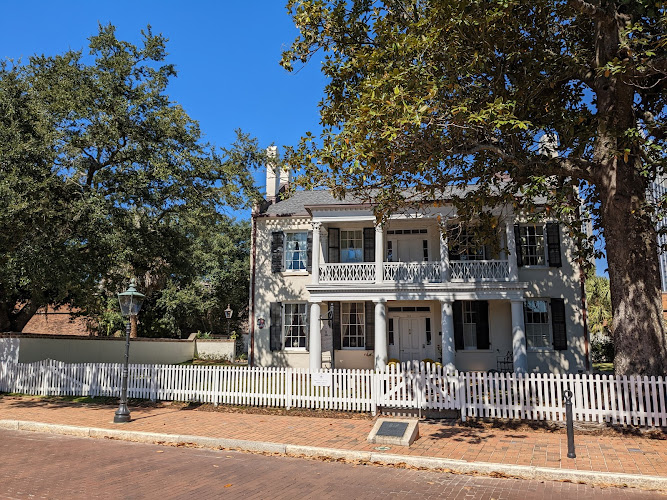
For a self-guided historic walk, begin near Bienville Square and move through the LoDa entertainment district toward the Cathedral-Basilica and the Oakleigh Garden District. Look up as you walk: galleries, verandas, brick façades, and ornate ironwork tell as much of the story as the interpretive signs.
Oakleigh Historic Complex gives you a focused way to examine 19th-century Mobile through preserved buildings and changing interpretations of the people who lived and worked there. Confirm tour schedules directly before arrival, since house museums frequently adjust days and hours.
You’ll also notice that Mobile’s culture looks toward the bay. Seafood menus, ship traffic, waterfront events, and hurricane preparedness are all tied to the same coastal geography.
Plan a museum visit or long lunch during the hottest part of the day, then return outdoors in the late afternoon.
Neighborhoods, Parks, and Outdoor Activities
Downtown is your most convenient base for sightseeing, while Mobile’s gardens, bayfront spaces, and nearby barrier island offer the strongest outdoor breaks. A car expands your choices substantially beyond the historic center.
- Downtown and LoDa: Choose this area when you want restaurants, nightlife, museums, and walkable architecture close to your hotel.
- Oakleigh Garden District: Walk among older homes, mature trees, and quieter residential streets south of downtown.
- Midtown: You’ll find leafy residential blocks, local businesses, and access to attractions such as the Mobile Museum of Art and Langan Park.
- Cooper Riverside Park: Use this waterfront park near the convention center for bay views and a short downtown stroll.
- Mobile Botanical Gardens: Visit for woodland paths, cultivated gardens, and a slower pace near Langan Park.
- Meaher State Park: Head across the bay for fishing, birding, and views over the Mobile-Tensaw Delta.
Dauphin Island makes a rewarding full-day outing when you want beaches, birding, Fort Gaines, and a more exposed Gulf landscape. Check road conditions, ferry status if relevant to your route, and weather forecasts before leaving Mobile, particularly during tropical-weather season.
For active travelers, the city’s parks and recreation department publishes a seasonal program that includes paddling and geocaching activities in its Summer 2026 activity guide. Program dates, registration requirements, and age limits change, so verify details before building your day around one.
Pack sunscreen, insect repellent, refillable water, and light rain gear. Gulf Coast humidity turns a short walk into a demanding outing by midday in summer.
Where to Stay and What to Eat
Stay downtown if you want to walk to museums, cocktail bars, restaurants, and historic streets after dark. You’ll find larger convention-style hotels near the waterfront, boutique lodging in restored buildings, and familiar hotel brands along major access roads outside the center.
For a quieter overnight, consider Midtown or the eastern shore communities across Mobile Bay, keeping in mind that bridge or tunnel traffic adds time to downtown plans. Choose a hotel with parking if you’re driving, and confirm whether breakfast, resort fees, and parking charges are included before booking.
Mobile’s food identity centers on Gulf seafood and regional Southern cooking. Look for Gulf shrimp, oysters, crab, fried seafood platters, fish sandwiches, gumbo, po’boys, and dishes shaped by Creole influence. You’ll also find barbecue, bakeries, coffee shops, and modern Southern menus downtown.
- Order Gulf seafood when it is in season and ask your server what has been landed or sourced locally.
- Try a meat-and-three lunch for a classic Southern format with an entrée and vegetable sides.
- Save room for a bakery stop, especially if you visit during Carnival season and see king cake on local menus.
- Reserve dinner on Friday and Saturday nights if you have a specific restaurant in mind.
Restaurant schedules can shift around Mardi Gras parades, football weekends, holidays, and private events. Check the restaurant’s own website or call on the day of your visit, especially if you’re dining with a large group or need step-free seating.
How to Get There and Get Around
A rental car is the most efficient way to reach Mobile and explore the surrounding coast, while downtown itself is manageable on foot. Mobile Regional Airport serves the city, and you can also drive via Interstate 10 or Interstate 65.
If you fly into Mobile Regional Airport, arrange a rental car or rideshare before leaving the terminal. Some travelers compare fares through Pensacola International Airport or Louis Armstrong New Orleans International Airport, then drive to Mobile, though each option adds substantial road time.
Interstate 10 crosses the Mobile River through the Wallace Tunnel and connects the city with New Orleans to the west and the Florida Panhandle to the east. Interstate 65 runs north toward Montgomery, Birmingham, and the wider central Alabama road network.
If you’re driving from another region, use these road trip planning principles to map fuel stops, storm contingencies, and realistic arrival times.
Within downtown, walking works well between Bienville Square, Dauphin Street, museums, and the riverfront. Rideshare services and taxis help with evening dining or one-way trips.
Public transit is available through local bus service, though it’s less convenient for a sightseeing schedule with several timed attractions.
Use a car for USS Alabama Battleship Memorial Park, Bellingrath Gardens and Home, Mobile Botanical Gardens, Dauphin Island, and the eastern shore. During major Mardi Gras parades, road closures and parking pressure change the normal driving pattern, so arrive early and park once.
Best Time to Visit and Seasonal Planning
Spring and fall give you the most comfortable conditions for walking downtown, touring outdoor attractions, and spending time around Mobile Bay. March through May brings blooming azaleas and active festival calendars, while October and November offer milder days with less summer humidity.
Winter is a strong choice if Mardi Gras is your priority. Carnival dates change each year because Fat Tuesday follows the Easter calendar, and hotel demand rises sharply around major parade weekends.
Book your room early, review parade routes, and expect street closures near downtown.
Summer brings long, hot, humid days, frequent thunderstorms, and good access to beaches and water activities. Start outdoor sightseeing early, schedule an indoor attraction after lunch, and monitor weather alerts closely.
Hurricane season runs from June 1 through November 30, so travel insurance and flexible reservations add useful protection for coastal trips.
For gardens and outdoor events, spring offers the most photogenic conditions. For lower-key museum days and restaurant visits, winter weekdays give you a calmer pace outside the Carnival peak.
You can also use these broader vacation timing considerations when balancing weather, crowds, and your travel budget.
A Practical Two- or Three-Day Itinerary
This itinerary covers Mobile’s essential history and waterfront sights in two days, with a third day for gardens, the bay, or Dauphin Island. Reserve timed tickets and restaurant tables before you settle on the sequence.
- Day One, downtown and Carnival: Start at the History Museum of Mobile, then walk to the Cathedral-Basilica of the Immaculate Conception. Have lunch downtown, visit the Mobile Carnival Museum, and spend late afternoon around Bienville Square and Dauphin Street. Book dinner within walking distance of your hotel.
- Day Two, military and maritime Mobile: Arrive early at USS Alabama Battleship Memorial Park and allow several hours for the battleship, submarine, and aircraft collection. Return downtown for lunch, then choose GulfQuest National Maritime Museum or the Gulf Coast Exploreum Science Center. End with a sunset walk at Cooper Riverside Park.
- Day Three, choose your coast day: Drive south to Dauphin Island for beaches, Fort Gaines, and birding, or visit Bellingrath Gardens and Home for landscaped grounds and a slower-paced day. If you’d rather stay close to town, combine the Mobile Museum of Art, Langan Park, and Mobile Botanical Gardens.
Families should prioritize the Exploreum, USS Alabama, and a park or waterfront stop. If you travel with young children, leave extra buffer time between attractions, since heat, ship stairs, and parking logistics can slow things down.
For a more flexible plan, save every confirmed booking, parking location, attraction address, and backup lunch choice in one offline-friendly itinerary. A practical travel app selection helps keep maps, reservations, alerts, and shared plans accessible during the day.
Costs, Safety, Accessibility, and Reservations
You can keep Mobile affordable by staying outside peak Mardi Gras dates, booking lodging with parking included, and mixing ticketed attractions with free downtown walks and parks. Your total cost will depend most on hotel demand, airfare or fuel, rental-car charges, attraction admissions, and restaurant choices.
Set a daily budget by category before you book: transportation, lodging, meals, admissions, parking, tips, and a weather-related contingency. Hotels and attractions publish current prices and hours directly, so check each official listing close to your travel date rather than relying on older travel posts.
Mobile’s central visitor areas are easiest to enjoy when you use standard city precautions. Keep valuables out of sight in parked cars, use well-lit streets after dark, check local weather alerts, and follow posted guidance around waterfront areas. In summer, heat safety deserves just as much attention as personal security.
Accessibility varies sharply by attraction. Historic buildings may have thresholds, stairs, narrow corridors, or limited elevator access; naval vessels have ladders and tight passageways that can prevent full wheelchair access. Contact each attraction before buying tickets to confirm accessible parking, step-free entrances, companion policies, seating, restrooms, sensory considerations, and service-animal rules.
Reserve hotels early for Mardi Gras, spring weekends, conventions, and major sports or university events. Book timed admissions when offered, particularly for house tours and popular seasonal programs. If you’re planning with a limited budget, these affordable travel planning strategies can help you identify flexible dates before rates rise.
Sources and Current Planning Links
Use current official information before departure because attraction hours, parade routes, admission policies, weather conditions, and road access can change. Keep confirmations saved on your phone and download maps for areas where service may be inconsistent.
- Mobile, Alabama destination information for a trip-planning starting point.
- The City of Mobile Parks and Recreation activity guide for current municipal programs and registration details.
- Official attraction websites for USS Alabama Battleship Memorial Park, Bellingrath Gardens and Home, the Mobile Carnival Museum, GulfQuest, the Gulf Coast Exploreum Science Center, and Dauphin Island sites.
- National Weather Service forecasts and local emergency guidance during hurricane season or severe-weather periods.
Frequently Asked Questions
Mobile is worth visiting for its blend of Gulf Coast scenery, military history, Mardi Gras heritage, and compact historic downtown. You’ll get the most from the city if you enjoy museums, local food, architecture, and short drives to gardens or barrier-island landscapes.
Is Mobile, Alabama, worth visiting?
Mobile is worth visiting if you want a distinctive Gulf Coast city break with strong history and culture. You can combine USS Alabama Battleship Memorial Park, Mardi Gras traditions, historic neighborhoods, and seafood dining in a compact two- or three-day trip.
What can families do in Mobile, Alabama?
Families can tour USS Alabama Battleship Memorial Park, visit the Gulf Coast Exploreum Science Center, and spend time in city parks or on Dauphin Island. Check age guidance and accessibility details before visiting the battleship, since the ladders and tight spaces can be challenging for some children and adults.
What day trips can you take from Mobile, Alabama?
Dauphin Island, Bellingrath Gardens and Home, the Mobile-Tensaw Delta, Fairhope, and Gulf Shores are popular day-trip choices from Mobile. Pick one destination per day, monitor coastal weather, and confirm opening times before driving.
How much does a trip to Mobile, Alabama, cost?
Your Mobile trip cost is driven primarily by lodging, transportation, meals, admissions, and parking. You can reduce spending by visiting outside peak Mardi Gras weekends, choosing free downtown walks and parks, and comparing hotel rates across downtown, Midtown, and airport-area properties.
What is the easiest way to get around Mobile without a car?
The easiest car-free approach is to stay downtown and walk between central attractions. For longer trips, use rideshare or taxis, though you’ll need to arrange transportation for USS Alabama Battleship Memorial Park, Bellingrath Gardens, Dauphin Island, and most beach-oriented outings.
Affiliate placeholder: Compare accommodation options after checking the official property details, location, and cancellation terms.
Affiliate placeholder: Check current activity availability, meeting points, accessibility, and cancellation terms before reserving.
Explore Mobile by Category: Discover top curated spots across Mobile Attractions & Sightseeing.