Museo de Historia del Arte (MUHAR) is a municipal art-history museum at Ejido 1326 in the Centro district of Montevideo, Uruguay, run by the Intendencia de Montevideo and devoted to the visual arts of the ancient world. Its collection traces a path from prehistoric objects through Egypt, Greece and Rome, and it is one of the few places in Uruguay where visitors can see original antiquities and plaster casts of celebrated sculpture side by side. Travelers come for an unhurried, scholarly hour among Egyptian funerary pieces, classical Greek ceramics and Roman portraiture, in a part of the city where most other sights are a short walk away.
What to Expect at Museo de Historia del Arte
MUHAR is organized chronologically, so the visit works as a compact survey of the ancient Mediterranean. The route begins with prehistoric material and moves into Egyptian holdings, where sarcophagus fragments, amulets and funerary figures introduce the afterlife beliefs that shaped Nile Valley art. From there the galleries turn to Greece, with painted pottery, terracotta figurines and sculpture casts that illustrate the shift from archaic stiffness to classical naturalism.
The Roman rooms close the sequence with portrait busts, ceramics and reproductions that show how Rome absorbed and adapted Greek models. The museum is small and quiet, which suits close looking: labels are in Spanish, and the scale lets you read each period against the one before it. Because the institution has an educational mission, school groups are common on weekday mornings, so the early afternoon opening hours tend to feel calmer.
- Prehistoric collection: Early tools and objects that open the museum’s chronological narrative of human artistic expression.
- Egyptian holdings: Funerary art and small votive objects that explain Egyptian ideas of death, protection and the afterlife.
- Greek ceramics and sculpture: Painted vessels, figurines and casts of canonical works that trace the evolution of Greek form.
- Roman portraiture and ceramics: Busts and everyday objects showing Rome’s adaptation of Hellenistic style.
- Chronological layout: A single connected route from prehistory to Rome, ideal for students and first-time museum visitors.
Museo de Historia del Arte at a Glance
| Detail | Information |
|---|---|
| Address | Ejido 1326, 11200 Montevideo, Departamento de Montevideo, Uruguay |
| Neighborhood / Area | Centro, near the edge of Cordón |
| Operating Hours | Tuesday to Saturday 12:30 to 5:45 PM; closed Monday and Sunday |
| Admission / Price Range | Municipal museum with a low-cost tier ($); check the official site for current admission terms |
| Recommended Visit Duration | 45 to 75 minutes |
| Nearest Transit / Parking | Multiple city bus lines along Avenida 18 de Julio and Calle Ejido; limited street parking in Centro |
| Official Website & Phone | muhar.montevideo.gub.uy; contact details are listed on the official site |
Visiting Tips, Getting There & Nearby Pairings
Plan around the schedule: MUHAR opens only Tuesday through Saturday and starts at 12:30 PM, so it fits well after a late lunch in Centro. Arriving at opening or in the last hour tends to give the galleries to yourself. Ejido is a through street served by numerous buses running along Avenida 18 de Julio, and Centro is flat and walkable. Street parking is limited, so public transport, taxi or ride-hail is easier. Because this is a municipal museum in an older building, confirm step-free access and elevator availability with staff through the official website before bringing a wheelchair or stroller.
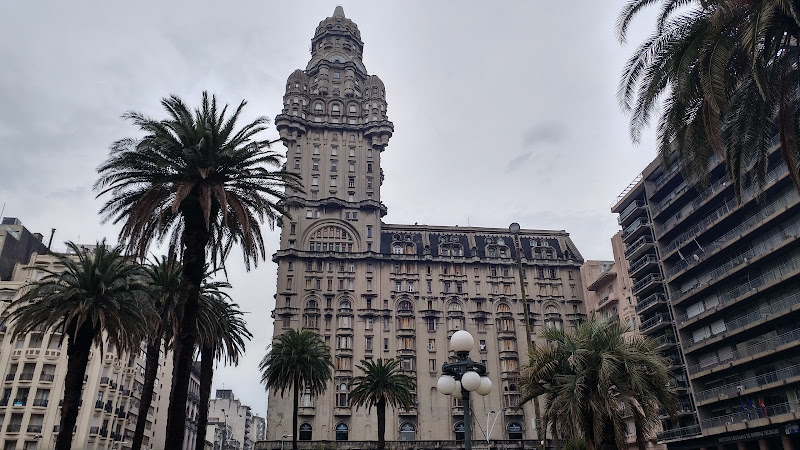
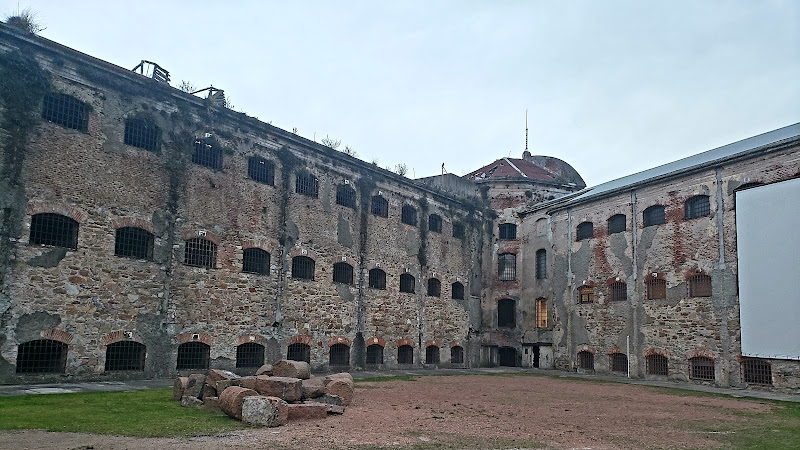
The museum pairs naturally with other central sights. Plaza Independencia, with the Palacio Salvo and the Puerta de la Ciudadela, is a short walk west along Avenida 18 de Julio. The Teatro Solís, Montevideo’s historic opera house, sits near the Old City edge, and the cafes and bookstores along 18 de Julio offer an easy stop before or after your visit. Together they make a full half-day of art, history and architecture in the city center.
Frequently Asked Questions
What are the opening hours of Museo de Historia del Arte?
The museum is open Tuesday through Saturday from 12:30 to 5:45 PM and closed on Mondays and Sundays. Early afternoon visits are usually quietest, but hours can change around holidays, so check the official website before you go.
How much does it cost to visit?
MUHAR is a municipal museum and sits in the low-cost tier, with admission prices that are modest compared with international museums. Current fees and any free-entry days are published on the official site, muhar.montevideo.gub.uy.
How much time should I budget?
Most visitors need 45 to 75 minutes to move through the prehistoric, Egyptian, Greek and Roman sections. Art-history students or anyone reading every label may want closer to two hours.
Is the museum suitable for families and people with mobility needs?
Yes for families: the compact size, chronological layout and recognizable subjects such as Egyptian funerary objects make it manageable for school-age children. For mobility needs, contact the museum through its official website to confirm current step-free access and elevator availability.
When planning your Montevideo travel guide or comparing verified attractions and museums in Montevideo, pair this stop with standout local spots including Fountain of the Padlocks, Canteras del Parque Rodó, Baco Vino y Bistro, and Restaurante Mesón Español (0.1 km away).