Editorial disclosure: This destinations.ai guide was prepared with AI assistance and checked against the official sources linked below. Accommodation and activity placeholders may use affiliate links; that does not change the planning advice.
Morgantown, West Virginia, sits on the Monongahela River in North Central West Virginia, where West Virginia University energy meets wooded hills, riverfront trails, and a compact historic downtown. A rewarding weekend can mix campus culture, Appalachian scenery, local food, and a short drive to Coopers Rock State Forest.
You will get the most from Morgantown by pairing walkable downtown and riverfront time with one outdoor excursion, then choosing lodging around your plans for WVU, the Wharf District, or I-79. Game weekends and university events can change traffic and hotel availability quickly, so book early when your dates overlap with a major event.
Key Takeaways
- You can cover central Morgantown comfortably in two days.
- Coopers Rock adds a high-impact Appalachian outdoor day.
- WVU event dates shape hotel availability and traffic.
Quick Answers and Trip Profile
Morgantown is a strong choice for a two- or three-day trip if you want a college-town base with riverfront recreation, arts, sports, and easy access to northern West Virginia’s highlands. The city is the Monongalia County seat and is anchored by West Virginia University, so it feels livelier during the academic year and on Mountaineer game days.
- Best for: WVU visitors, Big 12 sports fans, couples, families, road-trippers, and hikers.
- Ideal stay: Two nights for downtown, campus, and the riverfront; three nights if you add Coopers Rock or another regional outing.
- Best base: Downtown and the Wharf District for walkability; the university and hospital areas for campus access; I-79 corridors for driving convenience.
- Primary outdoor stop: Coopers Rock State Forest, east of town atop the Allegheny Front.
- Transport: A car gives you the greatest flexibility, while walking, cycling, and local buses serve much of the core city.
Use the official Morgantown trip-planning calendar and visitor information to check current events before setting dates. If you are comparing neighborhoods and lodging locations, the broader Morgantown destination overview can help you get oriented before booking.
Best Things to Do in Morgantown, West Virginia
Your best Morgantown itinerary combines the Monongahela River waterfront, West Virginia University, downtown landmarks, and a scenic overlook. Begin in the Wharf District, where the paved Caperton Trail follows the river and offers an easy introduction to the city’s terrain and pace.
- Walk or bike the Caperton Trail. This riverfront rail trail has more than 5 miles of paved surface for strolling, cycling, and rollerblading, as outlined in this Morgantown rail-trail itinerary. Bring water and allow time to stop along the river instead of treating it as a quick transit route.
- Explore the Wharf District and downtown. Browse independent shops, look for public art, and take in the streets around the Metropolitan Theatre and the historic Old Stone House.
- Visit WVU. Campus architecture, athletics, performances, and university museums give you plenty to do even when no game is scheduled. Check the university’s current public calendars before committing to a museum or performance stop.
- See Dorsey Knob. The overlook provides a broad view of Morgantown’s hills, river valley, and layered neighborhoods. Visit in clear weather near late afternoon, when the terrain reads most clearly from the viewpoint.
- Spend time at Coopers Rock State Forest. The overlook, forests, and trails make this the essential outdoor extension to a city visit. Morgantown works especially well as a base because Coopers Rock is adjacent to the city’s broader travel area, as noted in this regional orientation to Morgantown and the Allegheny Front.
For an up-to-date activity list covering seasonal events, art, trails, live music, and outdoor options, consult the official things to do in Morgantown directory. It can be particularly useful when a rain forecast forces a change of plan.
History, Culture, and Local Character
Morgantown’s character comes from its river-town setting and its role as the home of West Virginia University. You’ll notice the university’s presence in bookstores, restaurants, public events, sports traditions, and the quick shift in energy between semesters and football weekends.
Start downtown, where the historic fabric is easiest to see on foot. The 1795 Old Stone House is a key landmark, while the Metropolitan Theatre reflects the city’s continuing performance culture. Keep your walking route flexible because Morgantown’s hills make a short distance feel longer than it looks on a map.
WVU adds academic collections, performances, lectures, and athletic traditions to a city that also supports local makers and community events. The city describes its visitor appeal through dining, local shopping, outdoor recreation, arts, cultural attractions, and university activity in its official overview of Morgantown.
For a focused indoor stop, consider the Museum Education Center when its current schedule aligns with your visit. Check access details and programming directly before you go, especially during university breaks and holiday periods.
Neighborhoods, Parks, and Outdoor Activities
Downtown, the Wharf District, and the WVU campus area give you the most practical places to explore on foot, while the surrounding hills reward you for bringing a car. Plan your days by terrain: keep riverside walking and downtown browsing together, then reserve overlooks and forest trails for a separate outing.
Downtown and the Wharf District are your best choices for a low-key afternoon. You can walk the riverfront, eat near the water, browse local businesses, and connect with the Caperton Trail. These areas also put you near cultural landmarks and a concentration of evening options.
The WVU area centers your trip on campus. Stay nearby if you are attending a game, touring the university, visiting a student, or using university cultural facilities. On event days, give yourself extra time for road crossings, parking, and post-event departures.
Core Arboretum offers a quieter nature break close to town, with woodland paths and native-plant surroundings. Review current access information before heading out, and use the Core Arboretum visitor listing as a starting point for planning your stop.
For more active recreation, choose the Caperton Trail for cycling, rent equipment from a local outfitter where available, or head to Coopers Rock for hiking. Wear shoes with grip on unpaved trails, carry a charged phone, and don’t rely on mobile service once you move deeper into wooded areas.
Where to Stay and What to Eat
Choose your hotel according to whether you value downtown walkability, WVU access, or uncomplicated driving and parking. Morgantown has hotels, motels, vacation rentals, and bed-and-breakfast-style stays, so your lodging can suit a short event visit or a longer outdoor weekend.
- Downtown: Choose this area for the Wharf District, restaurants, the riverfront, and historic character. Hotel Morgan places you near the city center.
- WVU and medical district: This location works well for campus tours, hospital visits, and athletics. Consider options such as Hilton Garden Inn Morgantown after checking current amenities and parking policies.
- I-79 and suburban corridors: These areas suit you if you are driving onward, traveling with more gear, or prioritizing straightforward highway access. The Courtyard Morgantown is one option to evaluate for that style of stay.
Reserve well ahead for WVU football, basketball, commencement, move-in periods, and major conferences. Hotels set their own event-date rates and minimum-stay rules, so confirm the total before booking.
For food, look for pepperoni rolls, a West Virginia staple that travels well for hikes or road trips. Downtown and campus-adjacent dining span casual pizza, coffee, international restaurants, breweries, Appalachian-influenced menus, and pub fare. Compare current restaurant listings through the official Morgantown dining and accommodations guide, then confirm reservations, menus, and hours with each restaurant.
How to Get There and Get Around
Driving is the easiest way to reach Morgantown and explore beyond the city, while local transit and walking handle many central stops. Morgantown sits near Interstate 79, with regional road connections that make it a practical stop between Pittsburgh and destinations farther south or east in West Virginia.
You can fly through Morgantown Municipal Airport when scheduled service fits your itinerary, or use larger nearby airports and continue by rental car. Flight schedules change, so verify routes directly with airlines and airport operators before buying tickets.
Once you arrive, use your car for Coopers Rock, Dorsey Knob, trailheads, and lodging outside the core. Within downtown, the Wharf District, and parts of the WVU area, walking avoids the frustration of finding parking on busy dates. Morgantown’s elevation changes are substantial, so build in more time than a flat-city map suggests.
Mountain Line operates local public transportation. Check current routes, fares, stop locations, service days, and accessibility features before relying on it for a timed reservation. A current Morgantown transportation and accommodations overview also notes that the compact center is suited to walking and cycling.
If you are arriving for a game or concert, follow venue-specific parking and traffic directions. The City of Morgantown highlights WVU athletics, conferences, and outdoor visits among the main reasons travelers arrive, so event operations matter in practical trip planning.
Best Time to Visit and Seasonal Planning
Late spring and early fall offer the most comfortable mix of outdoor time, campus activity, and scenic drives in Morgantown. May through June and September through October are widely favored for mild hiking conditions, with fall foliage adding extra appeal around Coopers Rock.
Fall brings Mountaineer football, harvest events, and high demand for rooms. If you want that atmosphere, secure lodging first and build the rest of your schedule around the game. For a calmer weekend, choose dates outside home games and major university weekends.
Summer supports riverfront walks, trail rides, and outdoor events, though heat and thunderstorms can reshape an afternoon plan. Keep an indoor cultural stop or downtown meal in reserve when storms move through.
Winter suits you if your priorities are university visits, indoor arts, dining, or nearby cold-weather recreation. Road and trail conditions can change quickly in the hills. Check forecasts, park updates, and event calendars shortly before departure.
For a broader framework when comparing seasons and destinations, use these tips for choosing the best time of year to travel. In Morgantown, your preferred weather and tolerance for football-weekend crowds should drive the decision.
A Practical Two- or Three-Day Itinerary
You can see Morgantown’s essential city sights in two days, then use a third day for forest scenery or a regional drive. Keep the schedule loose enough for hills, weather, and the slower pace of browsing downtown.
- Day 1: Riverfront and downtown. Start with breakfast downtown, then walk or bike part of the Caperton Trail. Spend the afternoon in the Wharf District and historic core, including the area around the Metropolitan Theatre and Old Stone House. Book dinner in advance if your visit falls on a Friday, Saturday, or WVU event date.
- Day 2: Campus and city views. Explore the WVU campus and check whether a museum, performance, or sporting event fits your dates. Add Dorsey Knob in clear conditions, then return to downtown or the waterfront for an unhurried evening.
- Day 3: Coopers Rock State Forest. Drive east for overlooks and hiking. Bring food, water, layers, and downloaded directions. Return to Morgantown for a final local meal, then pack for an early departure if your route uses I-79.
If you have only two days and outdoor scenery is your priority, combine a short campus walk with downtown on Day 1 and give Day 2 to Coopers Rock. Use the official events calendar before locking in your order, since a concert or game may warrant rearranging the plan.
Costs, Safety, Accessibility, and Reservations
You can tailor a Morgantown trip to a modest or more comfortable budget because free outdoor spaces and self-guided walks sit alongside event tickets, hotel stays, and restaurant meals. The largest variable costs are lodging during WVU peak dates, rental cars, game tickets, and dining choices.
Save by walking the riverfront, using public parks and trails, packing a pepperoni roll or picnic supplies for a hiking day, and staying outside the busiest event windows. Confirm hotel parking fees, breakfast policies, cancellation terms, and taxes before you reserve. These details differ by property.
Morgantown is easiest to navigate when you plan for slopes, stairs, uneven pavement, and changing weather. Ask hotels about accessible rooms, roll-in showers, elevators, parking distance, and step-free entrances.
For trails, review surface conditions and elevation before selecting an outing for a stroller, wheelchair, or limited-mobility traveler. A little advance checking can make the day much easier.
Use standard city-travel awareness after dark: keep valuables out of sight in vehicles, stay aware around busy nightlife areas, and use established paths for riverside walks. On forest trips, tell someone where you are going, carry water, and turn back when weather or daylight shifts.
Reserve hotels early for WVU events. Make restaurant reservations for a special dinner, verify venue bag policies before games or concerts, and check park conditions before leaving town.
The City’s visitor information for events and outdoor trips is a useful current reference for your final pre-departure check.
Sources and Current Planning Links
Use official local resources close to departure because event calendars, business hours, trail conditions, and parking arrangements change through the year.
- Explore Morgantown visitor information for current events, dining, lodging, and attractions.
- City of Morgantown visitor overview for local orientation and civic information.
- Official Morgantown attractions and activities listings for current ideas by interest.
- City visitor page for WVU events and local activities for timely travel considerations.
Frequently Asked Questions
Morgantown rewards a short, well-paced visit built around its riverfront, university setting, and nearby Appalachian landscapes. Your experience will shift with the WVU calendar, so plan lodging and transportation around event dates.
Is Morgantown, West Virginia worth visiting?
Morgantown is worth visiting if you enjoy college-town culture, river trails, local dining, and access to West Virginia outdoor scenery. You will find enough for a weekend, especially when you combine downtown, WVU, Dorsey Knob, and Coopers Rock State Forest.
What are the best things to do in Morgantown, West Virginia?
The best things to do are walk or bike the Caperton Trail, explore downtown and the Wharf District, visit WVU, see the view from Dorsey Knob, and hike at Coopers Rock. Check current programming before adding museums, sports, concerts, or seasonal festivals to your schedule.
What can families do in Morgantown, West Virginia?
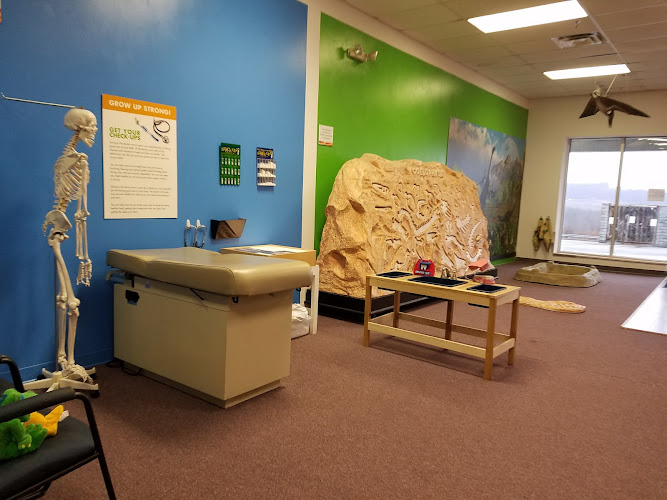
Families can use the riverfront trail, explore parks, visit hands-on activities when available, and take a short outdoor excursion to Coopers Rock. Keep your plan weather-aware, choose shorter trails, and allow extra travel time for hills and parking near popular sites.
What are fun things for adults to do in Morgantown, West Virginia?
Adults can build a day around local restaurants, breweries, live performances, WVU athletics, downtown shopping, and riverfront walks. A sunset-area visit to Dorsey Knob or an afternoon at Coopers Rock adds a scenic counterpoint to a downtown evening.
What day trips can you take from Morgantown, West Virginia?
Coopers Rock State Forest is the most convenient day trip from Morgantown, with overlooks and hiking in the nearby highlands. Morgantown also works well as a base for rural drives and outdoor destinations across northern West Virginia. Check road conditions and park updates before setting out.
Affiliate placeholder: Compare accommodation options after checking the official property details, location, and cancellation terms.
Affiliate placeholder: Check current activity availability, meeting points, accessibility, and cancellation terms before reserving.