Editorial disclosure: This destinations.ai guide was prepared with AI assistance and checked against the official sources linked below. Accommodation and activity placeholders may use affiliate links; that does not change the planning advice.
Overview: Why Visit Muscat
Muscat, the port capital of the Sultanate of Oman situated along the Gulf of Oman backed by the dramatic Al Hajar Mountains, offers a rare, dignified Middle Eastern travel experience. Unlike neighboring Gulf metropolises defined by glass skyscrapers, Muscat preserves strict architectural regulations requiring whitewashed buildings, ornate arabesque domes, and low-rise minarets.
Major highlights include the monumental Sultan Qaboos Grand Mosque (housing a 21-ton hand-woven Persian carpet and Swarovski crystal chandelier), the historic waterfront promenade along Mutrah Corniche and the aromatic alleyways of Mutrah Souq, the ceremonial Al Alam Palace, world-class acoustic performances at the Royal Opera House Muscat, and natural day trips to the turquoise canyon pools of Wadi Shab and Bimmah Sinkhole.
Best Time to Visit Muscat
Quick answer: Winter (November to March): The ideal travel window. Daytime temperatures average 24°C to 29°C (75°F to 84°F) with clear skies and low humidity. Perfect for swimming in wadis, mountain trekking in Jebel Akhdar, sailing dolphin-watching catamarans, and wandering outdoor souqs.
- Winter (November to March): The ideal travel window. Daytime temperatures average 24°C to 29°C (75°F to 84°F) with clear skies and low humidity. Perfect for swimming in wadis, mountain trekking in Jebel Akhdar, sailing dolphin-watching catamarans, and wandering outdoor souqs.
- Shoulder Seasons (April & October): Warm but manageable conditions with highs of 31°C to 35°C (88°F to 95°F). Great for coastal diving around the protected coral reefs of the Daymaniyat Islands with fewer international tourists.
- Summer (May to September): Extreme desert heat where daytime temperatures regularly exceed 40°C to 45°C (104°F to 113°F). Outdoor touring is limited to early mornings; visitors focus on air-conditioned cultural landmarks like the National Museum and Royal Opera House, or head up into cooler mountain elevations.
Key Cultural Sights & Coastal Wonders
Quick answer: Sultan Qaboos Grand Mosque: One of the most magnificent contemporary Islamic architectural landmarks in the world, accommodating 20,000 worshippers. The main prayer hall features a 14-meter-tall chandelier containing 1,122 Swarovski crystal lamps and an uninterrupted 4,200-square-meter Persian hand-tied carpet that took 600 artisans four years to weave. Open to non-Muslim visitors Saturday through Thursday mornings (8:00 AM to 11:00 AM, free admission, modest dress strictly required).
- Sultan Qaboos Grand Mosque: One of the most magnificent contemporary Islamic architectural landmarks in the world, accommodating 20,000 worshippers. The main prayer hall features a 14-meter-tall chandelier containing 1,122 Swarovski crystal lamps and an uninterrupted 4,200-square-meter Persian hand-tied carpet that took 600 artisans four years to weave. Open to non-Muslim visitors Saturday through Thursday mornings (8:00 AM to 11:00 AM, free admission, modest dress strictly required).
- Mutrah Corniche & Mutrah Souq: A graceful curved seaside promenade overlooking the harbor, dhow boats, and jagged mountain cliffs. Step through the wooden entrance of Mutrah Souq, one of the oldest traditional marketplaces in the Arab world. Browse shaded alleys filled with pure Omani frankincense (Hojari resin), silver khanjar ceremonial daggers, Bedouin textiles, and aromatic oud perfume oils.
- Al Alam Palace & Twin Portuguese Forts: The ceremonial palace of the ruling Sultan of Oman, featuring eye-catching gold and blue mosaic mushroom columns. The palace is flanked by the towering 16th-century clifftop stone fortresses of Al Mirani and Al Jalali, built during the Portuguese occupation.
- National Museum of Oman: Located in Old Muscat opposite Al Alam Palace. Houses over 5,000 expertly curated historical artifacts spanning maritime trade, prehistoric Frankincense routes, weapons, and Islamic calligraphy across 14 state-of-the-art galleries.
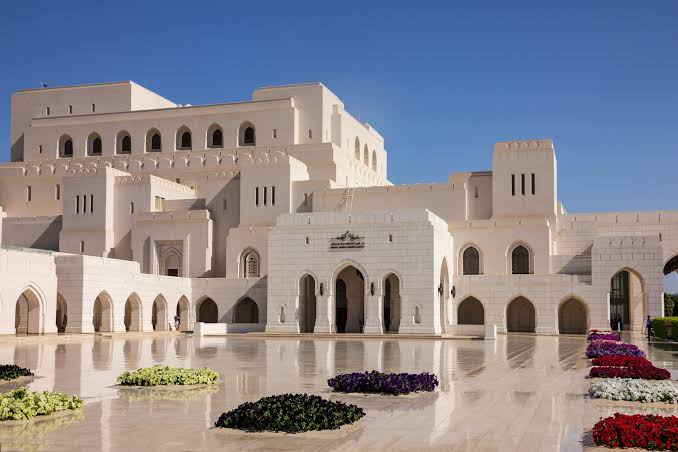
- Royal Opera House Muscat: A triumph of modern Omani architecture crafted from Omani desert rose stone and Burmese teak wood with Italian marble floors. Hosts world-class operas, ballets, and classical symphonies with interactive seatback translation screens.
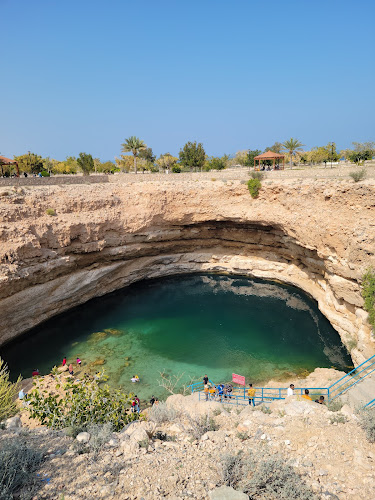
- Day Trips: Wadi Shab & Bimmah Sinkhole: Located 90 minutes southeast of Muscat. Take a short wooden boat ride across the river followed by a 45-minute canyon hike along limestone cliffs to swim through emerald freshwater pools into a hidden cave with a waterfall at Wadi Shab. Stop at Bimmah Sinkhole (Hawiyat Najm), a deep limestone crater filled with crystal-clear turquoise seawater.
Suggested 3-Day Muscat Itinerary
Quick answer: Day 1: Grand Mosque, Royal Opera House & Sunset Corniche. Arrive at 8:30 AM to tour the Sultan Qaboos Grand Mosque before midday prayer. Visit the Royal Opera House Muscat for an architectural tour and lunch in Shatti Al Qurum. In the late afternoon, explore the aromatic alleyways of Mutrah Souq, climb up to Mutrah Fort for sunset harbor views, and stroll the Corniche.
- Day 1: Grand Mosque, Royal Opera House & Sunset Corniche. Arrive at 8:30 AM to tour the Sultan Qaboos Grand Mosque before midday prayer. Visit the Royal Opera House Muscat for an architectural tour and lunch in Shatti Al Qurum. In the late afternoon, explore the aromatic alleyways of Mutrah Souq, climb up to Mutrah Fort for sunset harbor views, and stroll the Corniche.
- Day 2: Canyon Trekking at Wadi Shab & Bimmah Sinkhole. Depart early for an adventurous full-day excursion southeast. Hike and swim through the turquoise river canyons of Wadi Shab, reaching the hidden waterfall cavern. On the drive back to Muscat, stop for a swim in the limestone basin of Bimmah Sinkhole. Dine on slow-cooked Omani lamb *Shuwa* in the evening.
- Day 3: Old Muscat History, Dolphin Cruise & Beach Sunset. Take a morning boat cruise from Marina Bandar Al Rowdha to spot spinner dolphins along the coast. In the afternoon, explore the National Museum of Oman and photograph Al Alam Palace. Relax before sunset with traditional mint tea at Qurum Beach before departing.
Traditional Omani Gastronomy & Hospitality
Quick answer: Shuwa: The celebratory national dish of Oman. Spiced bone-in lamb or goat marinated in a rich paste of coriander, cumin, cardamom, and chili, wrapped in banana or date palm leaves, and slow-cooked in a subterranean earth oven for 24 to 48 hours until fall-apart tender. Served over saffron basmati rice.
- Shuwa: The celebratory national dish of Oman. Spiced bone-in lamb or goat marinated in a rich paste of coriander, cumin, cardamom, and chili, wrapped in banana or date palm leaves, and slow-cooked in a subterranean earth oven for 24 to 48 hours until fall-apart tender. Served over saffron basmati rice.
- Majboos (Kabsa): Fragrant spiced rice cooked with saffron, cinnamon, cloves, and dried black limes (*loomi*), topped with tender chicken, fish, or braised mutton.
- Omani Halwa: A beloved gelatinous sweet confection made from cooked starch, caramelized sugar, clarified butter (ghee), rosewater, cardamom, and saffron, studded with roasted almonds and pistachios.
- Qahwa (Omani Coffee): Lightly roasted coffee brewed with cardamom pods and rosewater, traditionally served in small handleless cups (*finjan*) alongside sweet fresh Omani dates as a hallmark of hospitality.
Practical Travel Tips, Transit & Budget
Quick answer: Airport & Transit: Muscat International Airport (MCT) is located 20 minutes west of downtown. Muscat is a linear, sprawling coastal city stretching over 40 kilometers along the sea. Renting a car is strongly recommended as public transit is limited and distances between sights (Grand Mosque, Mutrah, Old Muscat) are substantial. Clean highways feature bilingual Arabic/English signage.
- Airport & Transit: Muscat International Airport (MCT) is located 20 minutes west of downtown. Muscat is a linear, sprawling coastal city stretching over 40 kilometers along the sea. Renting a car is strongly recommended as public transit is limited and distances between sights (Grand Mosque, Mutrah, Old Muscat) are substantial. Clean highways feature bilingual Arabic/English signage.
- Cultural Etiquette: Oman is a conservative Islamic sultanate. Modest clothing (covering shoulders and knees) is expected in public spaces and shopping centers. When visiting mosques, women must fully cover hair, wrists, and ankles. Alcohol is served only in licensed 4-star and 5-star hotels.
- Daily Budget Breakdown:
- Budget traveler: $45–$75 USD (17–29 OMR)/day (guesthouse or 2-star hotel, local Omani/Indian diners serving shawarma and biryani, free Grand Mosque and sinkhole visits, rental economy car).
- Mid-range traveler: $120–$240 USD (46–92 OMR)/day (4-star modern coastal hotel, guided Wadi Shab tour, Royal Opera House ticket, sit-down Omani feasts).
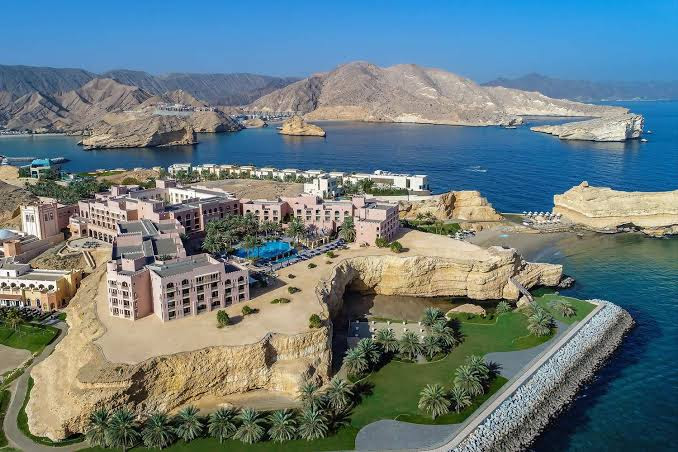
- Luxury traveler: $450–$1,200+ USD (173–462+ OMR)/day (5-star beachfront luxury at The Chedi Muscat or Shangri-La Al Husn, private chartered dhow yacht tours, fine dining).
Frequently Asked Questions
What is the dress code for the Sultan Qaboos Grand Mosque?
Non-Muslim visitors must dress modestly: men must wear long trousers and shirts covering the shoulders. Women must wear loose clothing covering wrists, ankles, and a headscarf covering all hair. Modest abayas and scarves can be rented at the visitor center.
Is Muscat safe for international travelers?
Yes. Oman is consistently ranked among the safest and most hospitable countries in the world, with extremely low crime rates and a welcoming, respectful local culture.
Do you need a car to explore Muscat?
Yes. Because Muscat stretches over 40 kilometers along the coastline between the mountains and the sea, renting a car at Muscat International Airport is the most efficient and cost-effective way to get around.
Affiliate placeholder: Compare accommodation options after checking the official property details, location, and cancellation terms.
Affiliate placeholder: Check current activity availability, meeting points, accessibility, and cancellation terms before reserving.
Sources and current planning links
Explore more destinations.ai travel guides when building a longer route.
What are the best things to do in Muscat?
Begin with the Sultan Qaboos Grand Mosque, then connect Mutrah Souq and the Corniche with Old Muscat, the National Museum, or the Royal Opera House according to current opening times. Muscat is spread along the coast, so the order matters more than the number of landmarks on a list.
Check mosque visiting hours, dress requirements, photography rules, and any ticket process before arriving. The official Experience Oman information for the Grand Mosque gives visitors a useful starting point, while the Ministry of Foreign Affairs tourism page covers a wider set of Muscat attractions. Leave shoes and clothing choices to the site’s rules, not assumptions from a beach holiday.
How should you explore Mutrah and Old Muscat?
Visit Mutrah in the cooler part of the day, walk the Corniche when the light is good, and use Old Muscat for forts, palace views, museums, and a quieter look at the capital’s ceremonial side. The souq is more enjoyable when you have time to browse without treating every interaction as a transaction.
Ask before photographing people, compare items in more than one shop, and carry water in the heat. Forts and viewpoints may involve steps and exposed surfaces. Visitors with mobility needs should ask about drop-off points, ramps, toilets, and the exact path from the vehicle because old neighborhoods and waterfronts do not share one access standard.
Can you take day trips from Muscat?
Muscat can anchor day trips to Wadi Shab, Bimmah Sinkhole, Nizwa, or another Omani landscape, but the choice depends on driving time, road conditions, heat, and whether swimming or hiking is involved. Do not add a remote wadi to a full museum day.
Use a reputable driver or rental company, check the vehicle and insurance terms, and ask about water, footwear, swimming ability, and the return plan. Flash floods and weather can change wadi access. A local guide can explain dress, village etiquette, and route decisions that a generic map will not show.
How do you get around Muscat?
A rental car or pre-arranged driver is usually the simplest option for Muscat’s separated districts and day trips, while taxis can work for a small group with a clear route and agreed price. Build extra time into every transfer because coastal roads and construction can change the estimate.
Keep the hotel address in Arabic and English, check fuel and parking before leaving, and avoid a long drive after a full day in the sun. Ask hotels about airport transfers and local taxi recommendations. If you are not comfortable driving, use a driver for the long day and walk the compact Mutrah and Old Muscat sections.
What is a practical three-day Muscat itinerary?
Use one day for religious and cultural landmarks, one for Mutrah and Old Muscat, and one for a confirmed wadi or Nizwa route. Keep the outdoor day movable around heat and weather.
- Day one: Visit the Grand Mosque during its visitor window, then choose the Opera House or National Museum and an early dinner.
- Day two: Explore Mutrah Souq and Corniche, see Old Muscat, and leave time for a shaded café or museum.
- Day three: Take a driver-led wadi, Nizwa, or coastal outing after confirming road, weather, and return conditions.
When is the best time to visit Muscat?
The cooler months are the most comfortable for walking, forts, souqs, and wadis, while the hottest season calls for early starts, shade, and a less ambitious outdoor plan. Ramadan, public holidays, and religious sites can also change opening hours and daily rhythm.
Wear breathable modest clothing, bring sun protection, and carry more water than the city walk seems to require. Check current safety and access information before swimming or hiking. Muscat is much easier when the itinerary respects heat, local customs, and the distance between its beautiful but separated districts.
For a longer regional route, compare Dubai, United Arab Emirates, Istanbul, Türkiye, Cairo, Egypt with this destination before finalizing your itinerary.
Explore Muscat by Category: Discover top curated spots across Muscat Attractions & Sightseeing, Best Places to Stay in Muscat, Muscat Restaurants & Dining.