
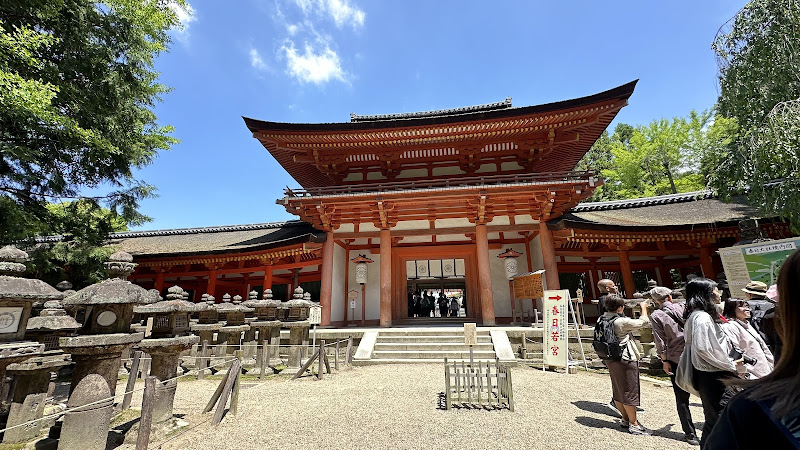
Kasuga Taisha Kokuhoden (Museum) is the treasure museum of Kasuga Taisha Shrine at 160 Kasuganocho, Nara 630-8212, in the Kasuganocho area of eastern Nara Park. The shrine was founded in 768 under Fujiwara patronage; its museum reopened after major renovation in 2016. Travelers come for Heian-period court craftsmanship, exceptional armor and swords, and monumental ceremonial drums that connect beautiful objects to continuing religious traditions.
What to Expect at Kasuga Taisha Kokuhoden (Museum)
The collection encompasses 354 National Treasure objects and 2,528 Important Cultural Properties, displayed selectively through themed exhibitions rather than all at once. Kasuga’s unusually rich holdings of Heian-period treasures explain its nickname, the “Shosoin of the Heian period.” Look for lacquerwork, ceremonial furnishings, weapons, and armor: the collection includes celebrated red-laced armor decorated with bamboo, tigers, and sparrows. Upstairs, the large exhibition room carries the principal exhibition, while the smaller room focuses attention on precious craftsmanship, including sacred furnishings associated with the main sanctuary. Check the exhibition calendar before planning around a particular object.
Begin downstairs in Kamigaki, an atmospheric installation designed by Izumi Okayasu. In “Kannabi,” moving images and falling droplets animate a circular water basin 2.8 meters across; “Kasuga” projects shrine imagery onto an unusual wire-grid screen. Continue to the Dadaiko Hall, where a lowered floor accommodates brilliantly colored drums standing 6.5 meters high. These instruments accompany bugaku court dance during the Kasuga Wakamiya On-Matsuri festival. The museum’s contemporary steel vertical grilles allow glimpses from outside; upstairs, an older pair of drums designated National Treasures adds historical context.
- Kamigaki introduction: Water, darkness, and projected light evoke the sacred landscape around Mount Mikasa.
- Dadaiko Hall: A spacious, unobstructed frontage reveals the giant drums’ richly colored decoration.
- National Treasure drums: The older upstairs pair connects Nara’s shrine festivals with Buddhist observances.
- Courtly craftsmanship: Rotating displays examine the refined materials and techniques of shrine offerings.
- Armor and swords: Prestigious warrior gifts reveal the relationship between religious devotion and elite patronage.
Kasuga Taisha Kokuhoden (Museum) at a Glance
| Detail | Information |
|---|---|
| Address | 160 Kasuganocho, Nara 630-8212, Japan |
| Neighborhood / Area | Kasuganocho, eastern Nara Park; Kasuga Taisha precincts |
| Operating Hours | Monday–Sunday, 10:00–17:00; exhibition-change closures apply |
| Admission / Price Range | Paid admission; $ budget tier. Check the official exhibition page for current ticket prices. |
| Recommended Visit Duration | 60 to 90 minutes |
| Nearest Transit / Parking | Kasuga Taisha Honden bus stop; paid Kasuga Taisha visitor parking nearby |
| Official Website & Phone | Kasuga Taisha Museum; +81 742-22-7788 |
Visiting Tips, Getting There & Nearby Pairings
Arrive around the museum’s 10:00 opening and follow the ground-floor installations before heading upstairs. The shrine’s earlier opening does not apply to museum galleries. From JR Nara or Kintetsu-Nara stations, take a Nara Kotsu service bound for Kasuga Taisha Honden; alternatively, the clockwise No. 2 city-loop bus stops at Kasuga Taisha Omotesando, followed by a walk through the approach. Walking from Kintetsu-Nara takes roughly 30 minutes. Drivers can use the shrine’s paid visitor lot, though festival traffic makes buses preferable. The museum website offers electronic admission tickets.
An elevator links the museum’s two floors, but allow extra care in the dark Kamigaki installation and on outdoor gravel approaches. Ask reception about bag storage and guided or audio interpretation; follow gallery-specific photography notices rather than assuming shrine photography rules apply indoors. Browse the museum shop for exhibition publications, then consider Kasuga Ninai Jyaya nearby for seasonal rice porridge. Within approximately 5–15 minutes on foot, pair the museum with the shrine’s lantern-lined sanctuary approach, the separately ticketed Manyo Botanical Garden, or Tobihino’s open grassland. Wisteria makes the garden particularly rewarding in late April and early May.
Frequently Asked Questions
What are the opening hours and best arrival time?
Regular museum hours are 10:00–17:00 daily, with closures between exhibitions. Aim for 10:00 and check the official calendar, especially around festival dates and exhibition changes.
Is admission free, and should I reserve?
The museum charges admission separately from other paid areas of Kasuga Taisha. Check current exhibition prices and electronic-ticket options on the official website; do not assume one shrine ticket includes every attraction.
How long should I allow?
Budget 60–90 minutes for the installations, drum hall, and upstairs exhibitions. Allow two to three hours if you also want the shrine approach and a relaxed garden or café stop.
Is the museum suitable for families and wheelchair users?
The elevator supports travel between exhibition floors, while outdoor approaches require more attention to surface conditions. Children may enjoy the enormous drums and moving-water installation, although the introductory gallery is deliberately dark.
When planning your Nara travel guide or comparing verified attractions and museums in Nara, pair this stop with standout local spots including Okumura Commemorative Museum, Nara National Museum Nara Buddhist Sculpture Hall, Nakano Museum of Art, and Kasuga Taisha (0.2 km away).


