
Holmenkollen Ski Museum is a compact, story-rich museum built into the base of Holmenkollbakken, Oslo’s landmark ski-jump arena. Its subject is far broader than competitive sport: the galleries follow some 5,000 years of skiing, from early transport and hunting on snow to Norway’s outdoor culture, polar travel and modern elite competition. The setting makes the visit unusually immediate. A vast slope rises above the museum, and the engineering of the jump is part of the experience rather than a distant backdrop.
High in the wooded Holmenkollen district northwest of central Oslo, the museum trades city bustle for hillside air and long views. It is one of Oslo’s clearest introductions to the Norwegian idea of friluftsliv, or life outdoors, while remaining approachable for visitors who have never worn skis. Come for the architecture and panorama, linger for the expedition stories and old equipment, and treat the hill itself as a destination rather than a quick photo stop.
Standout Highlights & What Not to Miss
The strongest visit combines the museum’s chronological story with the jump tower outlook. Galleries have enough depth for devoted winter-sport fans, but the objects, photographs and human-scale tales keep the route accessible to mixed-age groups. Leave time to look outward as well as inward: this is one of the rare museums where the building and surrounding sporting landscape explain the collection.
- A 5,000-year skiing timeline: Follow skiing from its practical origins in snowy landscapes through the nineteenth-century rise of recreational skiing and organized Norwegian winter sport. It gives useful context for why skis occupy such an outsized place in national culture.
- The historic museum itself: Founded in 1923 and regarded as the world’s oldest ski museum, it rewards attention to the contrast between handmade early gear and the streamlined equipment associated with later competition.
- Polar exploration displays: Expedition material adds a more dramatic thread to the visit, showing how skis served as essential travel tools in harsh environments, not simply as sporting equipment.
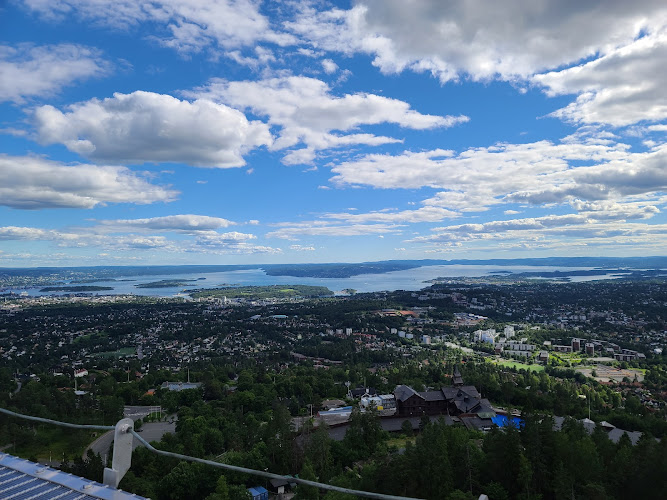
- The jump tower observation experience: The elevated view opens across Oslo, its neighborhoods and the fjord beyond. On a clear day, it is the natural finale; on a cloudy one, the striking geometry of the arena remains memorable.
- Jump simulator and venue atmosphere: The simulator offers a playful sense of a ski-jump descent without the athletic commitment. Outside, pause to appreciate the scale of the hill, long associated with the Holmenkollen ski festival and major international events.
Visitor Strategy & Planning Snapshot
| Planning Factor | What to Expect | Practical Strategy |
|---|---|---|
| Ideal Arrival Window | Views are a central draw, and visibility can shape the tower experience. | Aim for a clear morning or an earlier afternoon, leaving buffer for the hill and viewpoints. |
| Typical Time Needed | Most visitors need about 1.5 to 2.5 hours for galleries, tower and a relaxed look around. | Allow the longer end if using the simulator, visiting with children or pairing the stop with a hillside walk. |
| Booking / Queue Reality | It is a major Oslo attraction, with the tower and interactive elements likely to be busiest when tour groups or families are present. | Arrive near opening or later in the day where possible; check current ticketing and event arrangements before traveling uphill. |
| Terrain & Accessibility | The renovated museum and tower are intended for general access, but the approach from Holmenkollen station is uphill. | Wear shoes with grip, build in extra time for the climb, and confirm current accessibility details if step-free travel is essential. |
| Weather / Seasonal Fit | The indoor museum works year-round; weather chiefly affects the panorama and comfort outdoors. | Winter gives the site its natural sporting context, while clear spring, summer or autumn days are excellent for broad city-and-fjord views. |
Honest Trade-Offs: Best For vs. Who Might Skip
This is an especially strong choice for ski enthusiasts, history-minded travelers, families with curious children and first-time visitors seeking a signature Oslo view with substance behind it. The blend of cultural history, architecture and a hands-on element prevents it from feeling like a specialist collection alone. That said, visitors interested only in art museums or urban street life may find the uphill journey disproportionate for a short indoor visit, particularly in low cloud when the panorama disappears. Those uneasy with heights should decide in advance whether the tower is appealing; the museum remains worthwhile, but the outlook is a major part of its distinctiveness. The hillside location also makes this less spontaneous than a central-city museum stop.
Neighborhood Context & How to Pair Your Visit
Holmenkollen is best approached as a half-day escape from central Oslo. Travel up to the Holmenkollen station area, then make the short but uphill walk to the ski jump and museum; the ascent is part of the change from city streets to forested residential hillside. Pair the galleries with time on the jump grounds, a café pause, and a walk among nearby wooded paths if conditions suit. For a more classic Oslo itinerary, visit in the morning and return downhill for waterfront museums, central neighborhoods or dinner. Keep the schedule flexible enough to enjoy the view when cloud breaks: the fjord-facing perspective provides a useful visual map of the city below.
When planning your Oslo travel guide or comparing verified attractions and museums in Oslo, pair this stop with standout local spots including Mamma Pizza, Slottsparken, Historical Museum, and Roseslottet (1.8 km away).


