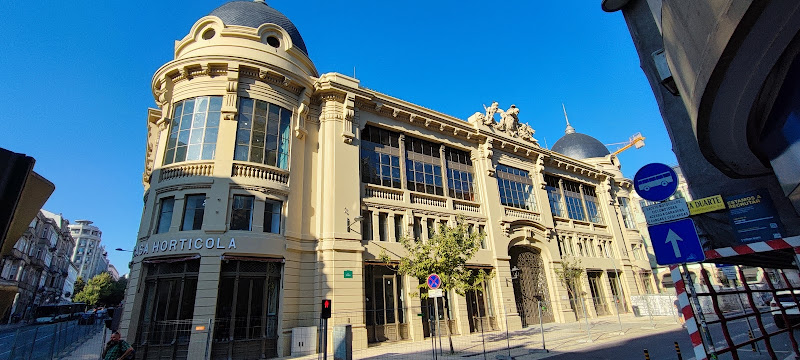
União das freguesias de Cedofeita, Santo Ildefonso, Sé, Miragaia, São Nicolau e Vitória is Porto’s central civil-parish union, covering the historic centre from the riverside quays of Miragaia and São Nicolau to the slopes around Sé, Vitória, Cedofeita and Santo Ildefonso. It has no single visitor street address: the practical address is Centro Histórico, Porto, Portugal. Formed in Portugal’s 2013 administrative reorganisation, it joins six long-established parishes and contains much of the UNESCO-listed Historic Centre of Porto. Travelers come to walk its medieval lanes, Baroque streetscapes, tile-clad churches, market halls and Douro-facing viewpoints.
What to Expect at União das freguesias de Cedofeita, Santo Ildefonso, Sé, Miragaia, São Nicolau e Vitória
This is an urban area rather than a museum with a defined route, so the experience changes block by block. Begin around Sé Cathedral, whose fortress-like Romanesque west front, rose window and crenellated profile recall Porto’s medieval defences. Inside the cathedral complex, the Gothic cloister is lined with 18th-century azulejo panels. Descend through the stepped streets toward Ribeira, where narrow houses, arcades and the waterfront preserve the city’s mercantile relationship with the Douro.
West and north of the cathedral, Vitória and Cedofeita offer a concentrated lesson in Porto’s Baroque and 19th-century cityscape. Look for the exuberant tiled side façade of Igreja do Carmo, the granite tower of Clérigos, and the bookshop-lined streets around Rua das Carmelitas and Rua de Cedofeita. Santo Ildefonso includes the blue-and-white tile panels of Igreja de Santo Ildefonso and the Mercado do Bolhão, while São Nicolau and Miragaia reward a slower riverbank walk past warehouses, small squares and working residential streets.
- Sé Cathedral and cloister: Romanesque exterior, Gothic cloister and narrative azulejo panels above the old city.
- Ribeira riverfront: Douro views, arcaded quays and dense medieval street patterns around Praça da Ribeira.
- Clérigos and Vitória: Baroque granite architecture, elevated viewpoints and lanes leading to Rua das Flores.
- Igreja do Carmo and Santo Ildefonso: Two of Porto’s most striking azulejo-clad church façades.
- Bolhão and Cedofeita: A restored food market, independent shops, galleries and cafés on walkable central streets.
União das freguesias de Cedofeita, Santo Ildefonso, Sé, Miragaia, São Nicolau e Vitória at a Glance
| Detail | Information |
|---|---|
| Address | Centro Histórico, Porto, Portugal; this is a civil-parish area, not a single street-addressed attraction. |
| Neighborhood / Area | Central Porto, encompassing Cedofeita, Santo Ildefonso, Sé, Miragaia, São Nicolau and Vitória. |
| Operating Hours | Public streets and squares are accessible at all times; individual churches, museums, shops and markets keep separate hours. |
| Admission & Ticket Prices | Free to explore public streets. Admissions apply independently at sites such as Sé Cathedral, Clérigos Tower and museums. |
| Recommended Visit Duration | Half a day for one district walk; a full day to connect Sé, Ribeira, Bolhão, Cedofeita and Vitória. |
| Nearest Transit / Parking | São Bento, Aliados and Trindade metro stations; Cardosas Parking is useful for the São Bento/Rua das Flores area. |
| Official Website / Phone | Municipality of Porto; no single visitor phone applies to the parish area. |
Visiting Tips, Getting There & Nearby Pairings
Arrive between 8:00 and 10:00 for quieter streets around Sé and Ribeira, then move toward Bolhão as shops and cafés open. There is no area-wide ticket or reservation; book timed entry directly with paid landmarks when you want to climb Clérigos Tower or visit the cathedral complex. São Bento station is the simplest arrival point for Sé, Ribeira and São Nicolau, while Aliados and Trindade suit Santo Ildefonso and Cedofeita. The Funicular dos Guindais is helpful when linking the upper town near Batalha with the riverside.
Plan around terrain rather than distance. Sé, Vitória and Miragaia involve steep gradients, uneven granite paving and stairs; Ribeira’s cobbles can also be difficult for wheels. Wheelchair users and families with strollers will find the flatter Aliados–Bolhão–Cedofeita corridor easier, and should use the funicular or taxis rather than attempting the steep descent from the cathedral. Within a 5–15 minute walk, pair the area with São Bento station’s azulejo-lined main hall, the Palácio da Bolsa in São Nicolau, or a meal and a riverside drink around Praça da Ribeira.
Frequently Asked Questions
What are the best hours to visit?
The parish streets are open day and night. For sightseeing and photographs, start early, especially around Sé and Ribeira; check each church, museum and market separately for its current opening hours.
Is there an admission fee or a reservation requirement?
Exploring the public lanes, squares and riverfront is free and requires no booking. Ticketed landmarks inside the area set their own prices and reservation rules, so reserve directly with a specific attraction when visiting at busy times.
How much time should I budget?
Allow three to four hours for a focused route between São Bento, Sé and Ribeira. Reserve six to eight hours if adding Bolhão, Clérigos, Carmo, Cedofeita shopping streets and a sit-down meal.
Is the area suitable for families and wheelchair users?
Families can easily build a short route around Bolhão, São Bento and the riverfront, but children need close supervision on steep streets. Wheelchair users should favor the flatter central corridors and accessible transit links, as the historic slopes and cobbled lanes are challenging.
When planning your Porto travel guide or browsing verified attractions in Porto, pair this stop with standout local spots including Bolhão, NorteShopping, Shopping Cidade do Porto, and Praça Central (0.1 km away).