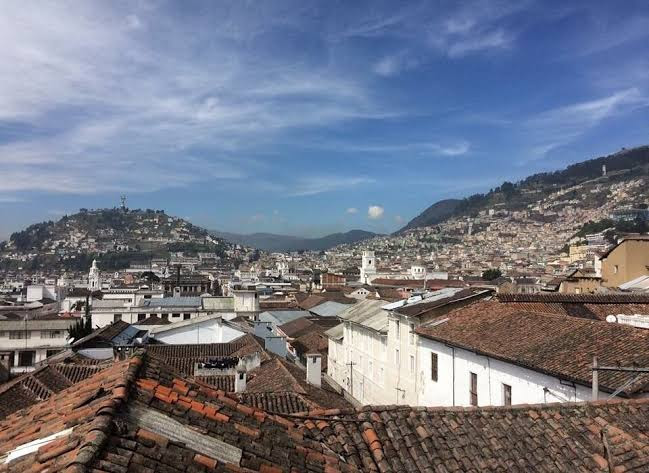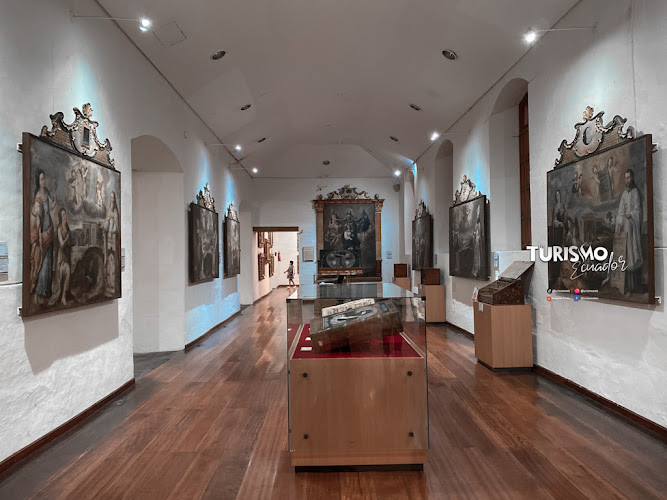
Museo Franciscano Fray Pedro Gocial is a religious-art museum inside Quito’s San Francisco convent at Cuenca 477, Quito 170401, in the Centro Histórico beside Plaza de San Francisco. Its paintings, sculpture, and convent architecture illuminate the Franciscan contribution to the Escuela Quiteña, the colonial artistic tradition that combined European religious imagery with local craftsmanship. The surrounding Franciscan complex dates to 1535, shortly after the Spanish foundation of Quito. Travelers come for devotional art, cloister views, and a closer understanding of the monumental church overlooking the square.
What to Expect at Museo Franciscano Fray Pedro Gocial
The museum takes its name from the Flemish Franciscan Pedro Gocial, also known as Pedro Gosseal, associated with the artistic instruction that developed around San Francisco. The Colegio de San Andrés, established in 1555, helped train Indigenous craftspeople in painting, sculpture, and other trades. Look closely at carved wooden saints, expressive faces, gilding, and painted garments: these devotional objects were made for worship, processions, and teaching, rather than simply for exhibition.
The convent setting matters as much as individual objects. Arcaded cloisters, interior courtyards, and the relationship between church and monastery reveal how this religious community occupied a substantial part of colonial Quito. Distinguish the museum collection from the adjoining church: Bernardo de Legarda’s celebrated Virgin of Quito, dated 1734, belongs to San Francisco’s principal altar, not a freestanding museum display. Begin with the galleries, then explore whichever church and choir areas are included in that day’s visitor route.
- Escuela Quiteña craftsmanship: Study carved wood, polychrome surfaces, and religious imagery shaped by colonial workshops.
- Franciscan teaching history: Connect Pedro Gocial’s legacy with the Colegio de San Andrés and its artistic training.
- Convent cloisters: Arcaded walkways frame courtyards within one of Quito’s largest historic religious complexes.
- San Francisco church: The adjoining interior combines gilded decoration with an important Mudéjar-influenced ceiling tradition.
- Plaza de San Francisco: The broad stone square provides the clearest exterior view of the church’s twin towers and monumental approach.
Museo Franciscano Fray Pedro Gocial at a Glance
| Detail | Information |
|---|---|
| Address | Cuenca 477, Quito 170401, Ecuador |
| Neighborhood / Area | Centro Histórico; Plaza de San Francisco |
| Operating Hours | Monday–Saturday, 9am–5pm; Sunday, 9am–2pm |
| Admission / Price Range | Paid museum admission; $ budget tier. Confirm current ticket categories at the entrance. |
| Recommended Visit Duration | 60–90 minutes; allow two hours with the church and plaza |
| Nearest Transit / Parking | Metro Line 1, San Francisco station; municipal La Ronda parking near Avenida 24 de Mayo |
| Official Website & Phone | Quito official visitor information; museum telephone +593 2-295-2911 |
Visiting Tips, Getting There & Nearby Pairings
Arrive around 9am for an unhurried look before combining the museum with other historic-center sights. Sunday’s shorter opening window makes an early start particularly useful. Ask at reception about guided visits, the day’s accessible rooms, and photography rules before entering; keep flash switched off around historic artworks. Bring a compact bag rather than luggage requiring storage. Treat the adjoining church as an active place of worship: wear respectful clothing, speak quietly, and avoid interrupting services.
San Francisco station on Metro Line 1 puts you beside the plaza; station elevators assist with the underground journey, but do not establish step-free access inside the convent. The historic approach includes stone paving and steps, while upper-level spaces involve changes of level: wheelchair users should telephone about the available route before traveling. Drivers can use La Ronda’s municipal parking rather than seek curbside space. Pair the museum with La Compañía de Jesús, about five minutes away, Plaza Grande in roughly ten minutes, or Calle La Ronda in ten to fifteen minutes.
Frequently Asked Questions
What are the opening hours and best visiting time?
Opening hours are Monday–Saturday, 9am–5pm, and Sunday, 9am–2pm. Aim for the first hour, and telephone before a holiday visit because religious celebrations can affect access around the complex.
Is admission free, and should I reserve?
The museum charges admission; do not confuse access to worship with entry to the museum route. Contact reception for current prices and guided-group arrangements, especially when visiting with a school or organized party.
How long should I allow for the museum?
Allow 60–90 minutes for the galleries and convent setting. Extend that to about two hours if you also want to examine the church interior and photograph the facade from the plaza.
Is it suitable for families and visitors with limited mobility?
Families can focus on carved figures, courtyard architecture, and the contrast between the quiet convent and busy square. Historic paving, thresholds, and stairs require planning for wheelchairs and strollers; arrange the most manageable route directly with museum staff.
When planning your Quito travel guide or comparing verified attractions and museums in Quito, pair this stop with standout local spots including Villa Colonna Quito, Quito plaza san francisco La capilla, Dann Carlton Hotel, and San Francisco Catholic Church (nearby).