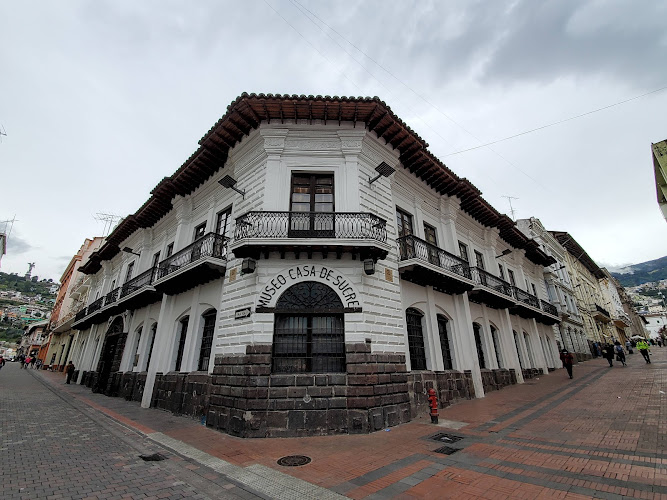
The Quito travel guide: plan three days for the historic centre, viewpoints, museums, and a trip toward the equator. Quito is Ecuador’s high-altitude capital, stretched along the Andes beneath Pichincha Volcano. Its historic centre was named a UNESCO World Heritage Site in 1978 and remains the main reason many visitors begin their Ecuador trip here.
Use the destinations.ai itinerary tool to map Quito days, but allow your body time to adjust to the elevation and check official local information before visiting attractions.
What are the best things to do in Quito?
Walk through the historic centre around Plaza Grande and visit the churches, museums, and streets of García Moreno. La Compañía de Jesús is known for its elaborate interior, while La Ronda is a popular evening street for crafts, food, and drinks. The TelefériQo offers a high viewpoint over the city when weather and operating conditions allow.
Reserve a separate half-day for Mitad del Mundo, the equator monument and visitor complex north of Quito. The official city tourism guide places it about 30 minutes from the city, but traffic can make the journey longer. Start early if you want to combine it with another northern stop.
How long should you stay in Quito?
Two days can cover the historic centre and one viewpoint. Three days gives you a gentler first day, a museum or market, and time for Mitad del Mundo. Visitors continuing to the Andes, Amazon, or Galápagos should avoid packing a strenuous excursion into their first hours in the city.
Is Quito safe for visitors?
Safety conditions can change by neighbourhood and date. Check your government’s current Ecuador travel advice, use registered transport, keep phones and cameras secure in crowded areas, and follow local guidance after dark. Altitude can also feel like a safety issue: drink water, take the first day slowly, and seek medical help for severe or persistent symptoms.
When is the best time to visit Quito?
Quito’s equatorial location does not mean consistently hot weather. Expect strong sun, cool evenings, and quick rain changes. A light waterproof layer, sun protection, and comfortable shoes are useful year-round. Choose dates around your wider Ecuador itinerary, then verify attraction hours and road conditions shortly before departure.
How should you spend your first day in Quito?
Make the first day deliberately gentle. Quito’s altitude can make a normal walking route feel harder than expected, especially after a flight or a poor night’s sleep. Start with a slow breakfast, drink water, and explore one compact area of the historic centre rather than crossing the city repeatedly. Plaza Grande, nearby churches, museums, and La Ronda can provide a full introduction without demanding a strenuous excursion.
Notice how the light and temperature change during the day. Strong sun can coexist with cool air, and a rain shower can arrive quickly. Wear a hat, use sun protection, and carry a light waterproof layer. If you feel unwell, stop and rest. An itinerary is a tool, not a test of endurance, and Quito will still be there tomorrow.
What are the best historic-centre stops?
Plaza Grande is a practical orientation point for the historic centre. From there, walk toward the Metropolitan Cathedral, La Compañía de Jesús, San Francisco, and the streets around García Moreno. Interiors have their own rules and hours, so check before treating a church as an exact timed stop. Architecture and history are closely connected here; leave enough time to read signs and understand what you are seeing.
La Compañía is known for its elaborate interior, while San Francisco and the surrounding complex offer a different scale and atmosphere. La Ronda is more useful later in the day, when craft shops, food, and evening activity give the street a different character. Keep valuables secure in crowded areas and use registered transport when returning after dark.
What is Mitad del Mundo?
Mitad del Mundo is a monument and visitor complex associated with the equator, north of Quito. The official Quito visitor guide places it about 30 minutes from the city, although traffic can make the journey longer. Treat it as a separate half-day rather than a quick detour between historic-centre stops. Start early if you want to combine it with another northern attraction.
Check current access, traffic, and opening information before leaving. Photos at the monument are fun, but the value of the visit is greater when you allow time for the exhibits and the journey itself. If your schedule is tight, do not sacrifice a calm first day in Quito to force the equator visit into a few spare hours.
Should you ride the TelefériQo?
The TelefériQo can offer a broad view over Quito when weather and operating conditions allow. It is a high-elevation experience, so consider how your body is responding before adding it to the first morning. Cloud can obscure the view, and conditions at the upper station may differ from the city. Check the official status, carry a layer, and avoid treating the ride as worthwhile only when the panorama is perfectly clear.
A viewpoint is not a substitute for acclimatisation or a safety plan. If you feel dizzy, short of breath, or unusually unwell, descend and seek appropriate medical help. Travellers with relevant health conditions should ask a clinician for advice before high-altitude travel. The best Quito travel guide is honest about limits as well as highlights.
What should you eat in Quito?
Use meals as low-effort cultural stops while you adjust. Look for locro de papas, llapingachos, hornado, fresh fruit, and Ecuadorian chocolate or coffee, depending on the menu. Markets can be rewarding, but choose busy stalls with good food-handling practices and take care with water if your body is still adapting. A small, familiar meal may be more comfortable than an ambitious tasting plan on the first night.
La Ronda and the historic centre offer many evening options, but choose transport and walking routes with the time of day in mind. Ask accommodation staff for current local suggestions, keep your phone out of sight in crowded areas, and do not let a restaurant reservation force you into a rushed or uncomfortable route.
How can you plan Quito safely?
Safety advice can change by neighbourhood and date. Read your government’s current Ecuador travel advice, use registered transport, keep phones and cameras secure, and follow local guidance after dark. Avoid displaying valuables and make copies of essential documents. Let someone know your general plans when taking a day trip, especially if the route includes remote areas or a high viewpoint.
Altitude is another practical safety issue. Take the first day slowly, drink water, avoid overexertion and excess alcohol, and monitor how you feel. Severe or persistent symptoms need medical attention. Travel insurance should cover the activities and elevations in your itinerary. This is not alarmism; it is simple preparation for a city whose geography affects every walk.
Sample three-day Quito itinerary
On day one, explore Plaza Grande, La Compañía, San Francisco, and nearby museums at a slow pace. On day two, choose La Ronda, a market, and the TelefériQo only if your body and the weather are ready. On day three, make Mitad del Mundo a separate half-day and keep the rest of the day flexible for traffic, rest, or another museum.
If you have four days, use the extra time for a gentler neighbourhood walk or a properly planned excursion rather than adding every possible attraction. Quito is a strong beginning to an Ecuador itinerary because it combines heritage, food, mountain geography, and access to other regions. Give yourself time to learn the city’s rhythm before moving on.
How can you make the itinerary comfortable?
Group nearby stops and protect the middle of the day for rest, food, or weather changes. A morning in the historic centre, an indoor museum after lunch, and a short evening route is often more comfortable than crossing Quito three times. Confirm the route to each attraction with your accommodation or a trusted local source. Road traffic and altitude both punish schedules that look efficient only on a screen.
Keep one unassigned block in every two-day plan. It can become a delayed viewpoint, an extra market visit, or simply a chance to recover before travelling onward. This is especially useful when Quito is the first stop in Ecuador. A calm start gives you a better chance of enjoying the historic centre, Mitad del Mundo, and the rest of the country.
What should you pack for Quito?
Pack for several conditions in the same day: breathable clothing for strong sun, a light layer for cool evenings, and a waterproof shell for sudden rain. Comfortable shoes matter in the historic centre, where stone streets and uneven pavements can make a short route tiring. Carry water, sunscreen, a hat, and a small amount of local currency according to your planned stops. Keep passports, spare cards, and essential medication secure rather than carrying everything on one walk.
If you plan the TelefériQo, a mountain excursion, or a longer hike beyond the city, pack warmer layers and check the elevation involved. Do not use a city packing list for every part of Ecuador. Quito’s weather, altitude, and neighbourhood routes are different from the coast, Amazon, or Galápagos. A short pre-departure checklist prevents the common problem of buying emergency rainwear or replacing uncomfortable shoes after arrival.
Sources
- Visit Quito: official visitor guide
- Quito Tourism: city heritage and attractions
- UNESCO: City of Quito
Explore Quito by Category: Discover top curated spots across Quito Attractions & Sightseeing, Best Places to Stay in Quito, Quito Restaurants & Dining.