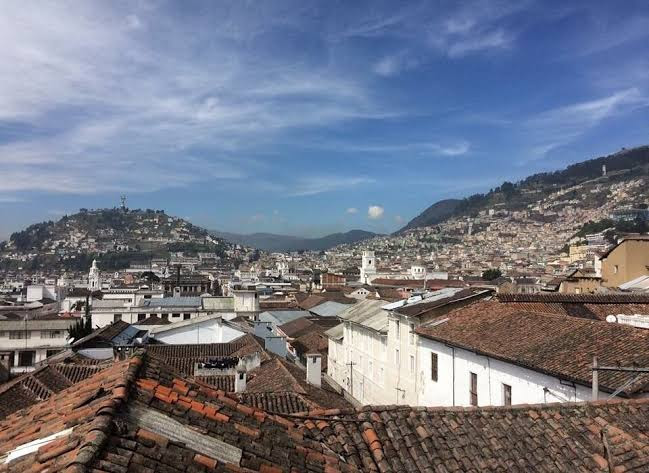
The Museo Interactivo de Ciencia, known locally as the MIC, occupies the former “La Industrial” cotton spinning and weaving factory in Chimbacalle, historically Quito’s first working-class barrio and the area around the Santa Ana address listed for this venue. The red-brick industrial shell is the first surprise: this is a science museum built inside a piece of the city’s labor history, and parts of the old machinery are still on show.
Inside, the MIC works hands-on rather than behind glass. Five permanent exhibitions, a landscaped science park and a native-forest garden are all designed around touching, pushing, climbing and asking questions, with floor staff (mediadores) on hand to steer experiments. Its 4.6 rating across roughly 2,800 reviews reflects what visitors keep praising: a giant scale model of Quito, rooms that suit toddlers and teenagers alike, and general admission that is free.
Standout Highlights & What Not to Miss
The museum is organised by room, and each one has a distinct personality. Prioritise these if your time is limited.
- Sala Quito and the giant scale model: a model of the city covering roughly 571 square metres, combined with robotic lights, touchscreens and panoramic projections. You look down on Quito as if from a low aircraft, and the lights pick out landmarks, neighborhoods, traditions and the city’s growth north and south. Locals use it to find their own street.
- Sala Ludión (physics): sport is the doorway into Newtonian mechanics, electromagnetism and energy. Expect machines you operate yourself, which is why visitors tag it as the physics room.
- Sala Mente: optical, auditory, olfactory and tactile illusions, plus brain anatomy and cognition games. Teens and adults tend to linger here longer than they plan to.
- Sala Guaguas: the young children’s area (guagua is Quichua-derived Ecuadorian slang for baby or small child), aimed at roughly ages 3 to 8. Sensory play recreates Andean ecosystems such as páramo, wetlands and montane forest. Reviewers also mention the Awawa room under that same toddler-friendly spirit.
- Museo de Sitio: original textile-factory machines, worker testimonies and a sensory recreation of factory life. It is the quietest and most historical stop, easy to skip with kids, and worth it for adults.
- Outdoor spaces: the Parque de la Ciencia and Bosque Nativo give children room to run between rooms, and visitors mention llamas on the grounds.
Visitor Strategy & Planning Snapshot
| Planning Factor | What to Expect | Practical Strategy |
|---|---|---|
| Ideal Arrival Window | School groups fill the rooms on weekday mornings; weekends bring families. | Arrive at opening or in the early afternoon on a weekday for shorter waits at popular exhibits. Check the museum’s official channels for current hours before you go. |
| Typical Time Needed | Three to four hours covers all five rooms and the outdoor areas at a child’s pace. | With kids, spend most of the time in Guaguas, Ludión and the Quito model. Adults alone can finish in about two hours. |
| Booking / Queue Reality | General admission is free. Workshops, school visits and programmed activities may have separate arrangements. | Individual families can usually just show up. Groups and workshop seekers should confirm requirements ahead of time with the museum. |
| Terrain & Accessibility | Wheelchair-accessible entrance, parking lot and restroom are all listed. Indoor exhibits are mostly level, with outdoor grounds to cross. | Bring a stroller or carrier for toddlers. Confirm access to specific exhibits with staff on arrival. |
| Weather / Seasonal Fit | Most of the experience is indoors, so rain barely matters. Quito’s altitude means strong sun and quick temperature swings outdoors. | Use the park and forest in dry mornings, and keep the indoor rooms for afternoon showers. Bring a light jacket and sunscreen. |
Honest Trade-Offs: Best For vs. Who Might Skip
The MIC is best for families with children from toddlers to early teens, for curious adults who like learning by doing, and for anyone who wants to understand Quito’s geography and growth before exploring the city. The free general admission makes it an easy rainy-day plan, and its inclusive, participatory approach means different ages can each find something to do.
Skip or shorten it if you want classic art or colonial-era sights, or if you dislike noise. School groups can make the rooms loud and crowded, and hands-on exhibits can see heavy use, so an occasional machine may be out of order. It also sits in the south of the city, away from the Old Town and La Mariscal clusters, so plan transport rather than assuming a quick stroll from your hotel.
Neighborhood Context & How to Pair Your Visit
The museum stands in Chimbacalle, a historically industrial, working-class part of southern Quito. The neighborhood is tied to the railway: the Chimbacalle train station, a landmark of Ecuador’s railway heritage, is close by and makes a natural second stop for anyone interested in how the city industrialised. Confirm its current opening status locally before you plan around it.
A sensible half-day is a morning at the MIC, starting outdoors and moving through Sala Quito, Ludión and Mente, then a simple lunch at a local eatery in the surrounding streets and an afternoon heading to the historic center by taxi or ride-hailing app. Seeing the scale model first also pays off later, since you will recognise the hills, ravines and districts when you walk the Old Town. Use daylight hours for getting around, and arrange your return transport before you leave.
When planning your Quito travel guide or comparing verified attractions and museums in Quito, pair this stop with standout local spots including Chez Jérôme, Centro Cultural Metropolitano, Florida Museum Site, and El Panecillo (0.8 km away).