The Settlement Exhibition (Landnámssýningin) is an archaeological museum at Aðalstræti 16 in central Reykjavík, built around the excavated remains of a Viking-age longhouse from the late 10th century. Run by Reykjavík City Museum, it sits on one of the oldest streets in the city and lets visitors walk around the original hall ruins, now enclosed beneath a modern exhibition space with digital reconstructions, artifacts, and interpretive displays on Iceland’s earliest settlers.
What to Expect at The Settlement Exhibition
The exhibition is organized around a single, remarkable find: the oval-shaped turf-walled hall uncovered during construction work in 2001 and dated to roughly 930 AD. Rather than displaying it behind glass in a conventional gallery, the museum was built directly around the excavation, so you walk on raised walkways beside the actual hearth, wall lines, and floor layers. Beneath the hall, a deeper turf-wall fragment belongs to an even earlier structure, and a volcanic ash layer from around 871 AD, known as the settlement layer, helps archaeologists date when people first built here.
Around the ruin, interactive displays and wall-sized projections show how the hall may have looked and how a settler household lived, worked, and farmed. Smaller cases hold tools, domestic objects, and finds from other early Reykjavík excavations, while multimedia stations explain the landscape the first Norse arrivals encountered. The museum is compact and well paced, so it suits both dedicated history readers and visitors who want a focused introduction to the Viking Age in Iceland.
- The Viking longhouse ruin: The preserved hall walls, central long fire, and floor deposits sit at the heart of the exhibit and can be viewed from every side.
- The 871 AD tephra layer: A visible band of volcanic ash in the excavation section operates as a natural timestamp for the earliest settlement phase.
- Interactive and digital reconstructions: Large-scale projections and touch displays bring the hall’s interior and daily routines to life.
- Artifacts from early Reykjavík: Display cases present tools and objects recovered from central Reykjavík digs, giving context beyond the single site.
- Settlement-era storytelling: Panels explain who the first settlers were, how they reached Iceland, and how they shaped the landscape and early society.
The Settlement Exhibition at a Glance
| Detail | Information |
|---|---|
| Address | Aðalstræti 16, 101 Reykjavík, Iceland |
| Neighborhood / Area | Miðborg (Downtown Reykjavík), on Aðalstræti, among the city’s oldest streets |
| Operating Hours | Daily, 10:00 AM to 5:00 PM |
| Admission / Price Range | Paid admission, typically in the moderate tier ($$); current ticket prices and combination tickets are listed on the official website |
| Recommended Visit Duration | 45 to 75 minutes |
| Nearest Transit / Parking | Central city bus stops within a few minutes’ walk; paid public parking in downtown car parks and street zones nearby |
| Official Website & Phone | reykjavikcitymuseum.is | +354 411 6370 |
Visiting Tips, Getting There & Nearby Pairings
Arrive close to opening at 10:00 AM or in the late afternoon to avoid the midday peak, when tour groups from cruise ships and city walking tours tend to pass through. The exhibition is small enough that a crowded room feels busier than it is, so an early start gives you unobstructed views of the hall ruin. Downtown Reykjavík is compact and walkable, so most visitors arrive on foot from their hotel, and the central bus stops around Lækjartorg are only minutes away. If you are driving, plan on a paid downtown car park or metered street parking, as spaces near Aðalstræti fill up in summer.
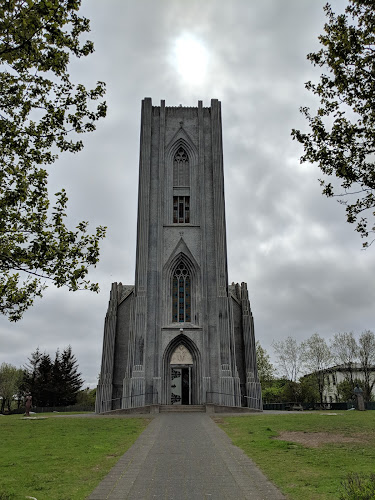
The museum is housed in a modern, level-access building, which makes the raised walkways and displays generally manageable for wheelchair users and strollers, but confirm current access arrangements with the museum before your visit. Within a 5 to 15 minute walk you can reach Austurvöllur square and the Alþingi parliament building, Reykjavík Cathedral (Dómkirkjan), the harbour and Harpa Concert Hall, and the shops and cafés of Laugavegur. Reykjavík City Museum also operates Árbær Open Air Museum and the Maritime Museum, both worth pairing if you want a deeper look at the city’s history.
Frequently Asked Questions
What are the opening hours and the best time to visit?
The Settlement Exhibition is open every day from 10:00 AM to 5:00 PM. Weekday mornings shortly after opening and the last hour before closing are usually the quietest times to see the longhouse ruin without crowds.
How much does it cost, and do I need to book ahead?
Admission is paid, and prices, discounts, and combination tickets with other Reykjavík City Museum sites are published on the official website. Advance booking is generally not required for individual visitors, though groups should contact the museum directly at +354 411 6370.
How long should I plan to spend there?
Most visitors spend 45 to 75 minutes. Allow closer to an hour and a half if you want to work through every interactive display and read the panels in full.
Is it accessible and suitable for families?
The modern building is largely level, making it suitable for strollers and many wheelchair users. The interactive displays and the real Viking ruin hold the attention of school-age children, while the compact size keeps the visit manageable for families.
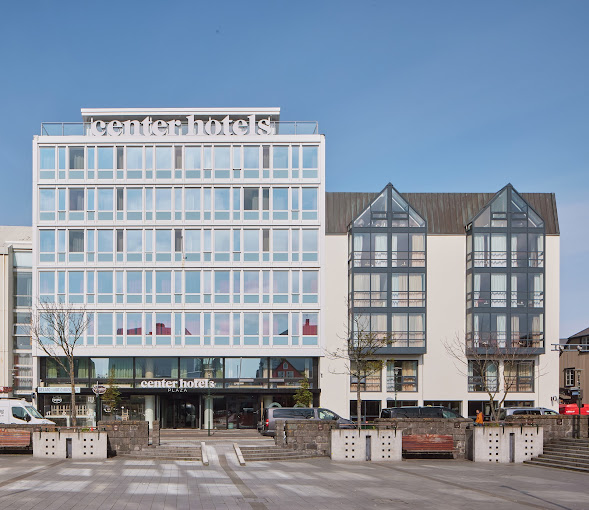
When planning your Reykjavik travel guide or comparing verified attractions and history museum in Reykjavik, pair this stop with standout local spots including Center Hotels Plaza, Fjallkonan, Rauðhólar, and Hotel Reykjavik Centrum (nearby).