Editorial disclosure: This destinations.ai guide was prepared with AI assistance and checked against the official sources linked below. Accommodation and activity placeholders may use affiliate links; that does not change the planning advice.
Sacramento, California, rewards you with a compact mix of Gold Rush landmarks, river scenery, state-government architecture, museums, and a food culture shaped by the surrounding Central Valley.
You can see Sacramento’s essential sights in two or three days by staying near Downtown or Midtown, pairing Old Sacramento Waterfront with the California State Capitol, and leaving time for museums, neighborhood dining, and the American River Parkway.
This Sacramento travel guide works well for a long weekend, a family city break, a Northern California road trip stop, or a base before heading toward the Sierra Nevada. Sacramento sits where the Sacramento and American Rivers meet, and its flat central grid makes a focused downtown visit easy on foot.
Key Takeaways
- Stay central for walkable access to civic landmarks, museums, and restaurants.
- Plan outdoor time for mornings during Sacramento’s hotter months.
- Reserve popular tours, major sporting events, and sought-after dinner tables ahead.
Quick Answers and Trip Profile
Sacramento is a worthwhile destination when you want California history, farm-to-fork dining, and riverside recreation without the scale of San Francisco or Los Angeles.
- Best length of stay: Two full days covers the core sights; three days gives you room for Midtown, the river parkway, or a day trip.
- Best base: Downtown, Midtown, or the Old Sacramento Waterfront area.
- Top experiences: California State Capitol, Old Sacramento Waterfront, California State Railroad Museum, Crocker Art Museum, and the American River Parkway.
- Best seasons: Spring and fall bring the most comfortable conditions for walking, cycling, patios, and festivals.
- Airport: Sacramento International Airport, commonly identified by the SMF airport code.
- Getting around: Walk Downtown and Midtown, use rideshare or light rail where it fits, and rent a car for foothill or wine-country excursions.
You will find a city centered on California’s civic life and agricultural setting. The official tourism calendar and attraction listings are useful for checking exhibitions, performances, festivals, and temporary closures before you arrive.
Best Things to Do in Sacramento
Sacramento’s strongest attractions connect you with California’s Gold Rush era, railroad history, art, and contemporary public life.
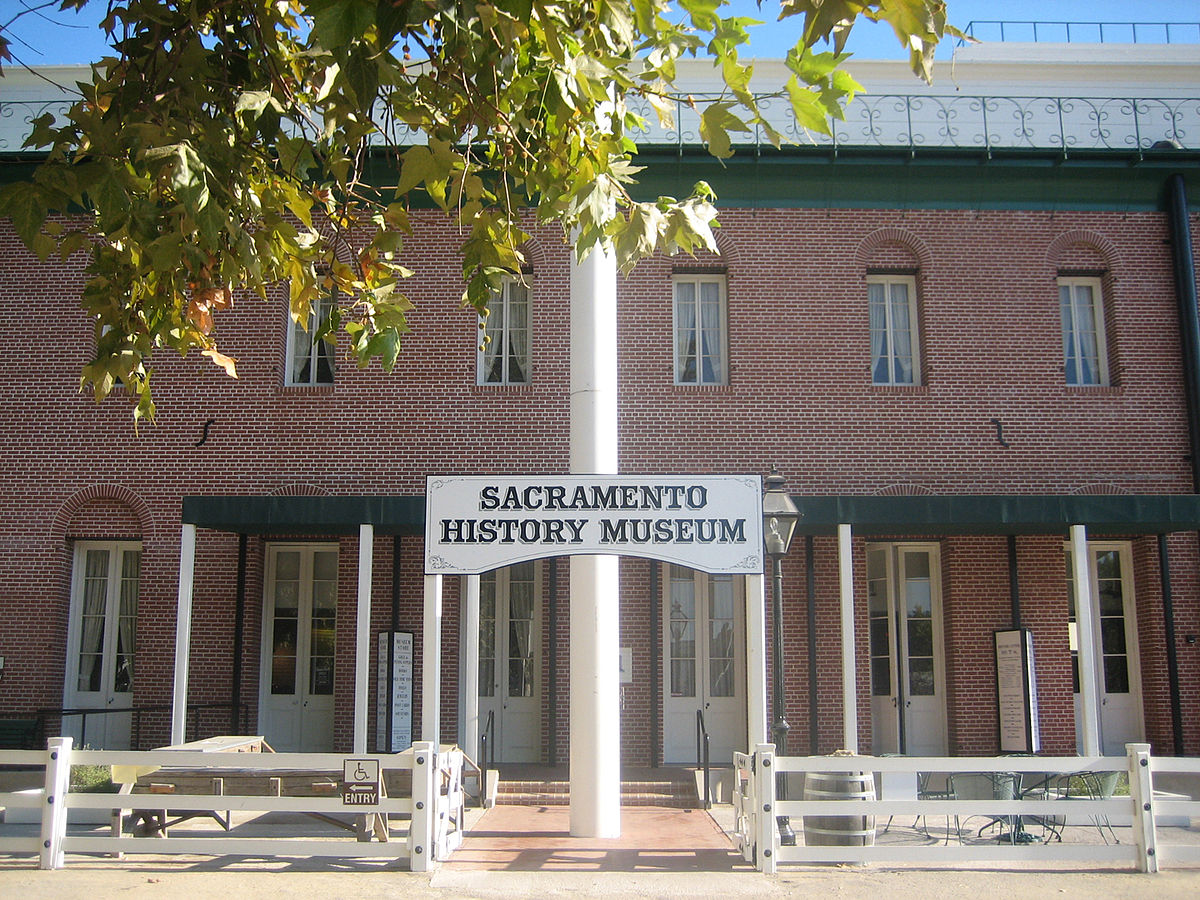
Begin at the Old Sacramento Waterfront, a historic district beside the Sacramento River. Its wood sidewalks, preserved Gold Rush-era streetscapes, shops, river views, and museums make it an efficient first stop, especially if you have limited time.
Make time for the California State Railroad Museum in Old Sacramento. You can explore the role railroads played in the transcontinental connection and California’s growth through large locomotives, restored railcars, and interpretive displays.
Check the museum’s official information before your visit for admission details and any operating train rides. Tour the California State Capitol Museum and walk Capitol Park, too.
The building remains the seat of California government, so access procedures and room availability can change when the Legislature is in session. The park’s memorials and mature trees provide a useful pause between Downtown sights.
At the Crocker Art Museum, you can move from European masterworks and California art to rotating contemporary exhibitions. Pair it with a stroll through the nearby riverfront area or dinner in Midtown.
Families should add the SMUD Museum of Science and Curiosity, where interactive exhibits offer an indoor option during summer heat or rainy winter days. For a more unusual perspective on the city’s early streets, consider Underground Tours; tour availability changes by season and demand.
You can find current attraction ideas through the official list of things to do in Sacramento, which also tracks seasonal activities and local events.
History, Culture, and Local Character
Sacramento gives you a close view of the forces that shaped modern California: the Gold Rush, river commerce, railroad expansion, farming, migration, and state politics.
The city became a crucial supply center during the Gold Rush because of its river location and access to the Sierra foothills. Old Sacramento preserves part of that story, while the Railroad Museum shows how rail connections transformed the region and the country.
At the California State Capitol, you can see the institutional side of the state’s history. Schedule your visit on a weekday if you want the fullest sense of Sacramento as a working capital, while allowing extra time for security screening and changes in public access.
The California Museum broadens the story through exhibitions about California’s people, civil rights history, and cultural legacy. Check its current exhibition calendar before building your day around it, since gallery programming changes.
Sacramento’s local character also comes through food. “Farm-to-fork” is more than a restaurant label here: farms in the Central Valley and Delta supply seasonal produce, rice, wine grapes, nuts, and other ingredients that shape market stalls and restaurant menus.
A Saturday visit to Midtown’s farmers market culture, followed by a meal that highlights seasonal produce, gives you a more grounded experience of the city.
Neighborhoods, Parks, and Outdoor Activities
Downtown and Midtown give you the easiest urban exploration, while Sacramento’s rivers and parkways provide the city’s best outdoor counterpoint.
Downtown suits you if the Capitol, Golden 1 Center, convention facilities, civic offices, and museums are priorities. The street grid is straightforward, though distances grow quickly once you leave the central core.
Midtown is a strong choice for independent restaurants, coffee shops, murals, bars, older homes, and walkable evening plans. Browse the tree-lined streets around the grid at a relaxed pace, and look for public art beyond the main corridors.
Old Sacramento Waterfront works for historic atmosphere and riverfront access. You will encounter heavier visitor activity during weekends, school breaks, and special events, so arrive early for quieter streets and easier parking.
The American River Parkway is the leading outdoor option for cycling, running, birding, fishing, and river access. The paved Jedediah Smith Memorial Trail extends far beyond central Sacramento, so choose an access point and turnaround plan before setting out.
The official outdoor guide highlights rafting, trails, parks, and river activities across the area. William Land Park is useful for a slower family afternoon, with broad lawns, shaded paths, and nearby attractions.
During hot weather, carry water, wear sun protection, and schedule longer walks for early morning or near sunset. Sacramento receives more than 250 days of sunshine each year, which supports outdoor plans for much of the calendar.
Where to Stay and What to Eat
Stay in Downtown or Midtown if you want the most convenient base for a first Sacramento visit. Choose Old Sacramento Waterfront or the riverfront when your hotel setting is part of the trip.
- Downtown: Best for the State Capitol, convention center, Golden 1 Center, museums, and light-rail access.
- Midtown: Best for restaurant variety, nightlife, murals, and a neighborhood feel.
- Old Sacramento Waterfront: Best for historic surroundings and quick access to the railroad museum.
- Riverfront: Best for a resort-style setting and access to the Sacramento River.
For central access near the Capitol and performing-arts venues, consider the Sheraton Grand Sacramento Hotel. If you prefer a historic-district setting near the waterfront, the Hyatt Centric Downtown Sacramento places you close to Old Sacramento and Downtown.
A river-focused stay is available at The Westin Sacramento Riverfront Hotel & Spa.
Build meals around seasonal Central Valley ingredients. Midtown is a practical dinner base for contemporary California cooking, neighborhood cafés, breweries, and dessert stops. Downtown offers quick business-lunch options and pre-event dining, while Old Sacramento is convenient for a casual meal between museums.
Reserve dinner when you are visiting on a Friday or Saturday, during legislative sessions, or around major arena events. If food is a central reason for your trip, use the official Sacramento restaurant and event listings to confirm openings, menus, and festival dates.
How to Get There and Get Around
You can reach Sacramento by air, rail, intercity bus, or car, and you can cover much of the central visitor area without driving.
Sacramento International Airport is northwest of Downtown. After landing, use a rental car, rideshare, taxi, hotel shuttle where offered, or public transit that matches your arrival time.
Confirm airport-ground-transport options close to departure because schedules and pickup locations change. Amtrak serves Sacramento Valley Station, which is near Old Sacramento and within easy reach of Downtown.
Rail is especially convenient if you are arriving from the Bay Area or continuing along California’s major intercity corridors. Driving gives you the most flexibility for Sierra foothills, Delta, wine-country, and Lake Tahoe day trips.
In central districts, account for paid garages, street-parking restrictions, and event traffic. Do not leave bags or valuables visible inside a parked vehicle.
Downtown and Midtown reward walking, particularly when you group attractions by area. Sacramento Regional Transit light rail and buses extend your reach, while rideshare is useful after dinner or when summer temperatures make a longer walk uncomfortable.
The Downtown Sacramento Partnership notes that you have options to walk, cycle, and use light rail in the core without a car. Bring a helmet if you plan to cycle and use lights after dark.
River trails have long, open stretches, so download maps, carry water, and turn around well before daylight fades.
Best Time to Visit and Seasonal Planning
Spring and fall are the best times to visit Sacramento because you can spend long hours outdoors with more comfortable daytime conditions.
From March through May, you can expect green parks, spring produce, and active event calendars. Pack layers for cooler mornings and evenings, plus a light rain layer for variable spring weather.
Summer brings long sunny days and high heat, especially from midday into late afternoon. Book indoor museums, Capitol visits, and long lunches during the hottest hours, then shift river walks, patios, and neighborhood strolls to the morning or evening.
September through November offers another strong window for outdoor sightseeing, restaurant patios, and harvest-season food. One current climate guide identifies April, May, and October as favorable months for Sacramento travel, while a separate forecast-oriented guide points to fall conditions for outdoor attractions.
Use these as planning signals, then check the short-range forecast before packing. Winter offers lower-key museum visits, theater, dining, and rainy-day flexibility.
Rain affects riverfront walking and cycling plans, so bring waterproof footwear and reserve indoor alternatives. For broad seasonal planning beyond Sacramento, use these principles when choosing the best time to go on vacation.
A Practical Two- or Three-Day Itinerary
A two-day Sacramento itinerary should center on Old Sacramento, the Capitol district, and Midtown. A third day gives you time for art, outdoor recreation, or a regional outing.
- Day 1: Gold Rush and riverfront. Start at Old Sacramento Waterfront, then visit the California State Railroad Museum. Walk the riverfront, browse the historic district, and have dinner in Downtown or Midtown. Add an Underground Tour if its schedule fits your day.
- Day 2: Capitol and culture. Tour the California State Capitol Museum, spend time in Capitol Park, and continue to the Crocker Art Museum. Use the evening for Midtown murals, a reservation dinner, or a performance or game if one is scheduled.
- Day 3: Choose your pace. Cycle or walk part of the American River Parkway, visit the California Museum or SMUD Museum of Science and Curiosity, then explore a farmers market or local shops. With a car, use this day for the Sierra foothills, Delta, or another regional destination.
If you only have one day, combine Old Sacramento, the Capitol exterior and park, and a focused museum visit. Keep your schedule geographic: crossing town repeatedly consumes more time than the map suggests, particularly during commuter periods or event traffic.
Before locking in reservations, read practical guidance on how to plan a trip itinerary. Leave one flexible block for weather, exhibitions, or a restaurant recommendation you hear on the ground.
Costs, Safety, Accessibility, and Reservations
Your Sacramento trip cost is driven mainly by lodging, transportation, dining choices, and ticketed attractions. Set a daily budget after checking live rates for your dates.
Hotel prices rise around conventions, government activity, holidays, concerts, and major sports events. Saving money is easiest when you reserve early, stay several blocks from the busiest waterfront area, use public transit or walking in the core, and include parks or Capitol Park among your free activities.
For safety, use standard city habits. Keep phones and wallets secure in crowded areas, stay on well-lit streets after dark, follow posted trail guidance, and avoid leaving anything visible in your car. Ask your hotel which walking routes are most practical for your evening plans.
Accessibility varies by historic building, sidewalk condition, museum gallery, and tour format. The State Capitol, major museums, and many newer hotels have accessibility information, though you should contact each venue directly for current entry procedures, mobility-device access, service-animal rules, sensory accommodations, and companion policies.
Reserve lodging early for popular weekends. Book timed museum entry when offered, restaurant tables for prime dinner hours, and specialty tours before travel. The Old Sacramento Underground Tour is among the activities that may sell out, especially during busier travel periods.
Pack breathable clothing, a reusable water bottle, walking shoes, sunscreen, and a layer for air-conditioned interiors or cooler evenings. If you are driving farther afield, use a road trip planning checklist to confirm vehicle, route, and weather details.
Sources and Current Planning Links
You should confirm live operating details through official Sacramento visitor resources and directly with each attraction, hotel, restaurant, carrier, or transit provider before departure.
- Official Sacramento trip-planning information for attractions, accommodations, dining, and event ideas.
- Sacramento’s digital visitor guide for a current citywide planning overview.
- Sacramento outdoor activity information for parks, trails, rafting, hiking, and river recreation.
- Sacramento destination details for a concise location-based starting point.
Fan-Out Coverage Checklist
Sacramento works best when you match your base, transport, and daily pace to the kind of trip you want. These planning questions help you make those choices before you book.
Is Sacramento Worth Visiting?
Sacramento is worth visiting if you enjoy California history, museums, food, civic architecture, and easy access to riverside trails. You’ll get the most from the city by treating it as a two- or three-day destination, not a quick freeway stop.
What Are the Best Things to Do in Sacramento?
Your priority list should include Old Sacramento Waterfront, the California State Railroad Museum, California State Capitol Museum, Capitol Park, and the Crocker Art Museum. Add the American River Parkway for outdoor time or SMUD Museum of Science and Curiosity for hands-on family activities.
Where Should You Stay in Sacramento?
You should stay in Downtown for landmark access and transit, or Midtown for restaurants and evening energy. Choose Old Sacramento Waterfront for historic surroundings, and select a riverfront hotel when a quieter waterside setting fits your plans.
What Is the Best Time to Visit Sacramento?
Spring and fall give you the most comfortable conditions for outdoor sightseeing. Summer suits you if you structure your day around early starts, indoor midday activities, and evening plans.
How Do You Get to Sacramento?
You can fly into Sacramento International Airport, arrive by Amtrak at Sacramento Valley Station, take an intercity bus, or drive via Northern California highways. Rail and air arrivals both place you within a practical transfer distance of central hotels.
How Do You Get Around Sacramento?
You can walk between many Downtown, Midtown, Capitol, and Old Sacramento sights. Use light rail, buses, rideshare, cycling, or a rental car based on distance, heat, and whether you plan regional day trips.
How Much Does a Trip to Sacramento Cost?
Your trip cost varies by hotel dates, airfare or fuel, attraction choices, and dining style. Check current hotel, museum, transit, and restaurant prices before setting your budget because published rates change with demand and events.
What Is a Good Two- or Three-Day Sacramento Itinerary?
Spend day one in Old Sacramento and the Railroad Museum, then use day two for the Capitol, Capitol Park, Crocker Art Museum, and Midtown. On a third day, choose the American River Parkway, family science exhibits, farmers markets, or a drive into the surrounding region.
What Can Families Do in Sacramento?
Families can explore train exhibits at the California State Railroad Museum, interactive displays at SMUD Museum of Science and Curiosity, Capitol Park, Old Sacramento, and riverfront walks. Check age guidance, timed-entry policies, and seasonal programming before you go.
What Day Trips Can You Take From Sacramento?
You can use Sacramento as a base for the Sierra foothills, Lake Tahoe, the Sacramento-San Joaquin Delta, and nearby wine regions. A car gives you the most efficient access, and mountain trips require close attention to weather and road conditions.
Frequently Asked Questions
Sacramento answers are clearest when you plan around its historic core, civic district, and river setting. Confirm day-specific hours and access rules before leaving your hotel.
What is Sacramento known for?
Sacramento is known as California’s capital, a Gold Rush-era river city, and a major railroad-history destination. You’ll also find a farm-to-fork dining identity rooted in the Central Valley’s agricultural landscape.
Is there anything worth seeing in Sacramento?
Sacramento has several worthwhile sights, including the California State Capitol, Old Sacramento Waterfront, California State Railroad Museum, Crocker Art Museum, and Capitol Park. These attractions create a full day or weekend of varied sightseeing within a compact central area.
What should I do in Sacramento on a one-day trip?
Spend your morning in Old Sacramento and the California State Railroad Museum, then visit the California State Capitol and Capitol Park in the afternoon. Finish with a Midtown dinner or a Crocker Art Museum visit if its hours fit your schedule.
How should I spend three days in Sacramento?
Use three days for Old Sacramento and rail history, the Capitol district and art museums, then the American River Parkway or a regional day trip. Stay in Downtown or Midtown to reduce transit time between the first two days’ activities.
What areas should visitors avoid in Sacramento?
You should avoid isolated streets, unlit river paths, and unfamiliar areas after dark, particularly when you’re walking alone. Keep to active commercial corridors at night, use rideshare when needed, and ask your hotel for current neighborhood-specific guidance.
What are the best free places to visit in Sacramento?
Capitol Park, along with the public areas around the California State Capitol, is a good place to start. Old Sacramento’s streets, Midtown’s murals, and sections of the American River Parkway are also strong free options.
Before you arrive, confirm whether interior tours, exhibits, parking, or special programming carry a fee.
Affiliate placeholder: Compare accommodation options after checking the official property details, location, and cancellation terms.
Affiliate placeholder: Check current activity availability, meeting points, accessibility, and cancellation terms before reserving.