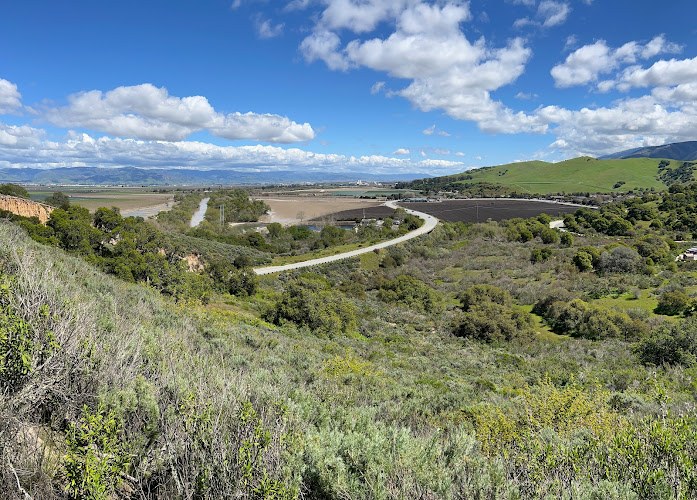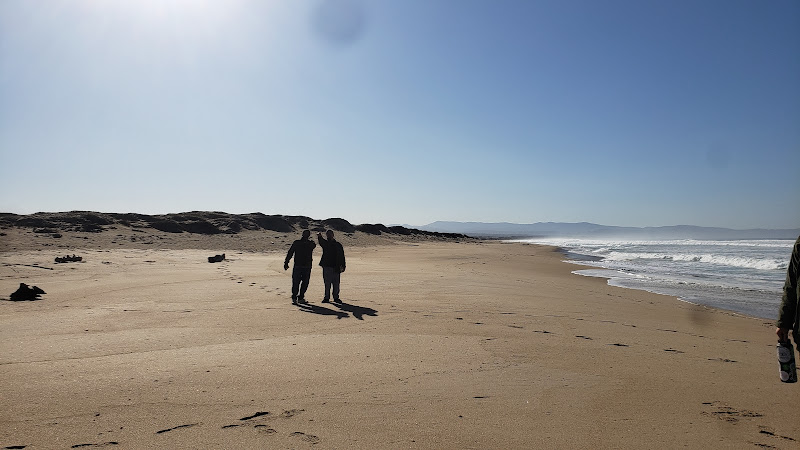
Salinas River National Wildlife Refuge is a federally protected coastal wetland and dune refuge at the Salinas River mouth, listed at Salinas, CA 93908, on Monterey County’s central coast. Established in 1973 along the Pacific Flyway, it safeguards one of the region’s remaining wetland-and-dune habitats for migratory birds and sensitive native species; travelers come for quiet birding, shore views, native wildflowers, and a close look at the river’s meeting with Monterey Bay.
What to Expect at Salinas River National Wildlife Refuge
This is a small, conservation-first refuge rather than a developed park with a visitor center or long network of maintained trails. Its habitats include the lower Salinas River, seasonal wetlands, riparian vegetation, coastal dunes, and beach. Bring binoculars and move slowly: spring and fall migration can bring large concentrations of waterfowl, shorebirds, raptors, and songbirds using the Pacific Flyway. Winter is especially rewarding for ducks and other wetland birds, while spring can reveal flowering dune plants and breeding-season activity.
The refuge protects species whose survival depends on the Central Coast’s remaining intact habitat, including the threatened western snowy plover, endangered Smith’s blue butterfly, and endangered Monterey spineflower. Respect all signed closures and stay on designated public routes; beach and dune restrictions are essential during nesting and sensitive habitat periods. The experience is observational, with wind, bird calls, ocean air, and changing light replacing formal exhibits. Photography is welcome from public access areas, but never approach, feed, flush, or pursue wildlife for a closer image.
- Pacific Flyway migration: Spring and fall bring thousands of birds seeking food and shelter in the refuge’s scarce coastal wetland habitat.
- Western snowy plover habitat: Protected beach and dune areas support this small threatened shorebird; seasonal closure signs protect nesting birds.
- Salinas River mouth: The transition between river, marsh, dunes, and Monterey Bay creates productive wildlife-viewing conditions.
- Monterey spineflower: This endangered native plant is tied to the specialized sandy soils of the Monterey Bay coastal plain.
- Low-impact photography: Open coastal views suit bird and landscape photographers using long lenses from legal public access points.
Salinas River National Wildlife Refuge at a Glance
| Detail | Information |
|---|---|
| Address | Salinas, CA 93908; coastal access is near the Salinas River mouth west of California State Route 1. |
| Neighborhood / Area | Monterey Bay coastline, between the Marina and Moss Landing areas of north Monterey County. |
| Operating Hours | Daily, 7am–7pm. Conditions, seasonal closures, and access points can change; check before leaving. |
| Admission / Price Range | Free admission; no entrance ticket is required. |
| Recommended Visit Duration | 45 to 90 minutes for a careful wildlife walk and shoreline viewing. |
| Nearest Transit / Parking | A car is most practical. Monterey-Salinas Transit service operates along the Highway 1 corridor; use only signed public parking and never block road shoulders or gates. |
| Official Website & Phone | U.S. Fish & Wildlife Service · 510-792-0222 |
Visiting Tips, Getting There & Nearby Pairings
Arrive close to opening for calmer light, cooler temperatures, and more active birds before beach use and afternoon winds build. Migration periods—roughly March through May and August through November—are the strongest birding windows, though wildlife is present year-round. Carry water, sun protection, layered clothing, and binoculars; the coast can be foggy and cool even in summer. There are no food services at the refuge, and the terrain is exposed.
Public access is limited and surfaces are natural sand, dirt, and uneven coastal ground, so the refuge is not a reliable step-free outing for wheelchairs or strollers. There is no formal refuge visitor center, elevator, or indoor rest area. Pair a visit with nearby Salinas River State Beach for a longer beach walk, Marina State Beach and its broad dunes, or Fort Ord Dunes State Park’s blufftop coastal trail; these destinations are generally a short drive rather than a walk from refuge access. For a meal afterward, Marina’s Reservation Road corridor is the nearest practical dining area.
Frequently Asked Questions
What are the best hours to visit Salinas River National Wildlife Refuge?
The refuge is listed as open daily from 7am to 7pm. Early morning is best for bird activity, softer photography light, and quieter conditions; check the official refuge page for weather-related or seasonal access changes before visiting.
Does Salinas River National Wildlife Refuge charge admission?
Admission is free, and no timed ticket or reservation is required for standard visitation. Visitors must follow posted refuge rules, use signed public access, and observe any temporary wildlife-protection closures.
How long should I plan to spend at the refuge?
Budget 45 to 90 minutes for birdwatching and a slow look at the river-mouth, dune, and beach habitats. Dedicated birders may stay longer, particularly during spring or fall migration, then continue to nearby state beaches or Fort Ord Dunes.
Is the refuge suitable for children or visitors using wheelchairs?
Families who enjoy nature observation can have a rewarding visit, provided children remain close and respect protected habitat. Natural, sandy, uneven access routes and the lack of developed indoor facilities make this a challenging destination for wheelchairs and conventional strollers.
When planning your Salinas travel guide or browsing verified attractions in Salinas, pair this stop with standout local spots including Creekside Terrace Trailhead, Fort Ord National Monument, California, Flying Artichoke, Harvey-Baker House, and Salinas River State Beach (4.1 km away).