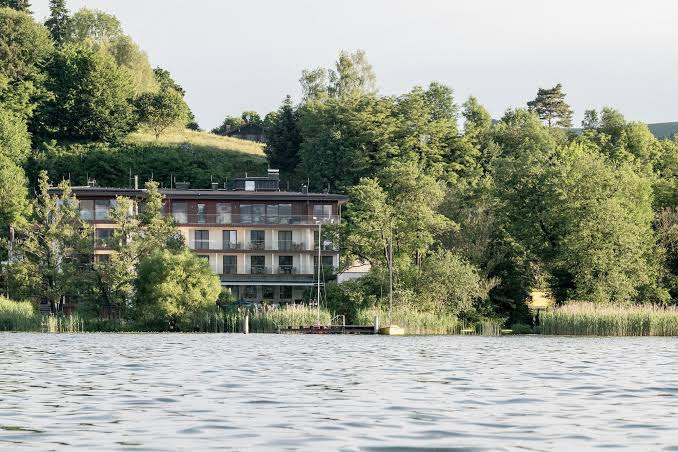
Musical Instruments Museum is a family-run collection at Aberseestraße 11, 5340 St. Gilgen, in the village’s historic center near Lake Wolfgang. Known as HörArt!, it grew from founder Erich zur Eck’s worldwide instrument collecting and continues through his son, Askold zur Eck. Travelers come for instruments from different musical cultures, personal collecting stories, and demonstrations that turn unfamiliar objects into sounds.
What to Expect at Musical Instruments Museum
The attraction is the connection between the collection and its custodians. Erich zur Eck approached instruments as expressions of the people who made them, emphasizing imagination, craftsmanship, and musical identity. Today, Askold’s presentations retain that personal approach: looking comes first, followed by stories about acquisitions, explanations of an object’s use, instrument demonstrations, and questions. Arrange your visit around a presentation rather than treating HörArt! as a quick room of display cases. Hearing an instrument helps explain details that its appearance alone cannot.
The featured exhibition ALKEBULAN — “Die Wiege der Menschheit” Afrika brings together 200 African exhibits, including musical instruments and handicrafts. It is advertised by arrangement until mid-December; contact the museum before traveling specifically for it. Alongside this display, the museum describes another 1,800 instruments from around the world. The emphasis is international rather than exclusively Austrian or Mozart-related, making this a useful counterpoint to St. Gilgen’s better-known Mozart family connections. Allow time for the relationship between sound, materials, and cultural use, rather than trying to count every object.
- Worldwide instrument collection: Around 1,800 instruments beyond the featured African display introduce musical traditions across continents.
- ALKEBULAN exhibition: A 200-object presentation combines African instruments with handicrafts; arrange access directly.
- Live instrument demonstrations: Askold’s presentations let visitors hear selected instruments rather than simply study their shapes.
- Collector’s stories: Acquisition accounts explain how individual objects entered this father-and-son collection.
- Conversation-led interpretation: Questions are part of the experience, particularly rewarding for musicians and curious children.
Musical Instruments Museum at a Glance
| Detail | Information |
|---|---|
| Address | Aberseestraße 11, 5340 St. Gilgen, Austria |
| Neighborhood / Area | Historic village center, near Lake Wolfgang |
| Operating Hours | September 1–January 6: Monday–Friday, 09:00–11:00 and 15:00–17:00. Contact the museum for other seasons, holidays, and appointments. |
| Admission / Price Range | Paid admission; $ budget tier. Request current adult, child, and group rates directly. |
| Recommended Visit Duration | 60–90 minutes, including a demonstration |
| Nearest Transit / Parking | Bus 150 to St. Gilgen Busbahnhof; approximately 10 minutes on foot. Paid parking near the Zwölferhorn cable-car valley station. |
| Official Website & Phone | HörArt! official website; +43 6227 8235 |
Visiting Tips, Getting There & Nearby Pairings
Telephone ahead to coordinate a demonstration, especially for the African exhibition, groups, or an English-language visit. During the September–January schedule, arriving at 09:00 or 15:00 leaves more room before the two-hour opening window ends; avoid arriving just before closing. Bring a small bag and ask before photographing, recording music, or touching instruments. If you use a wheelchair or travel with a stroller, discuss entrance steps, internal circulation, seating, and toilet access directly before setting out. Arrange any required assistance rather than assuming the collection has lift access.
From Salzburg or Bad Ischl, regional bus 150 stops at St. Gilgen Busbahnhof; walk into the center and continue toward Aberseestraße. Drivers can use paid parking around the Zwölferhorn valley station and finish on foot, checking posted tariffs. Build a compact walking itinerary with Mozartplatz, its Mozart fountain and town hall, the Mozarthaus associated with Mozart’s mother and sister, and the Lake Wolfgang promenade. All are within an easy central-village circuit, roughly 5–15 minutes’ walking from the museum. Cafés around Mozartplatz make a convenient break between the collection and waterfront.
Frequently Asked Questions
When is the museum open, and when should I arrive?
From September 1 through January 6, published hours are Monday–Friday, 09:00–11:00 and 15:00–17:00. Aim for the start of either session and telephone about holiday openings or dates outside this period.
How much is admission, and should I reserve?
Admission is paid; ask HörArt! for current ticket prices and accepted payment methods. Advance contact is particularly useful for demonstrations and necessary for the advertised by-arrangement African exhibition.
How long should I spend at HörArt!?
Budget 60–90 minutes to look around and hear a presentation. Musicians or visitors with detailed questions should discuss a longer appointment when arranging their visit.
Is the museum suitable for children?
The sound demonstrations and question-led approach suit children interested in music and unfamiliar objects. Treat the collection as a museum rather than a play area: handling should happen only with the host’s permission.
When planning your Salzkammergut travel guide or comparing verified attractions and museums in Salzkammergut, pair this stop with standout local spots including Museum Kunst der Verlorenen Generation, Motorrad-Trial Museum, MONDI Hotel am Grundlsee, and Gasthaus Wirt am Gries (0.3 km away).