Editorial disclosure: This destinations.ai guide was prepared with AI assistance and checked against the official sources linked below. Accommodation and activity placeholders may use affiliate links; that does not change the planning advice.
Overview: Why Visit Salzkammergut
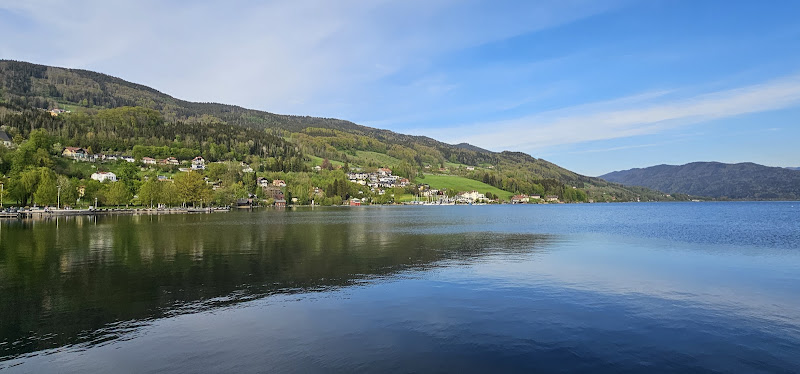
The Salzkammergut, an alpine lake district spanning Upper Austria, Salzburg, and Styria, is one of Europe’s most celebrated mountain resort regions. Salzkammergut is a broad Austrian cultural and tourist region made up of several lake-and-mountain areas across Salzburg, Styria, and Upper Austria. Its appeal combines lakes, alpine scenery, salt heritage, and historic towns; choose a subregion before planning daily transfers.
Top highlights include touring the UNESCO-listed village of Hallstatt and its 7,000-year-old prehistoric salt mine (Salzwelten), ascending to 1,783 meters on the vintage 1893 SchafbergBahn steam cog railway above Lake Wolfgang (Wolfgangsee), exploring the subterranean frozen palaces of the Dachstein Giant Ice Cave, stepping out over vertical cliffs at the 5 Fingers viewing platform in Obertraun, and savoring imperial pastries in Bad Ischl.
Best Time to Visit Salzkammergut
Quick answer: Summer (June to August): Peak season for alpine swimming, ferry cruises, and high-altitude hiking. Daytime temperatures average 22°C to 26°C (72°F to 79°F). Lakes like Wolfgangsee, Attersee, and Mondsee warm up for swimming and sailing, and alpine mountain huts (*Almhütten*) serve fresh mountain cheese and buttermilk.
- Summer (June to August): Peak season for alpine swimming, ferry cruises, and high-altitude hiking. Daytime temperatures average 22°C to 26°C (72°F to 79°F). Lakes like Wolfgangsee, Attersee, and Mondsee warm up for swimming and sailing, and alpine mountain huts (*Almhütten*) serve fresh mountain cheese and buttermilk.
- Autumn (September to October): Crisp, clear autumn days with temperatures ranging from 13°C to 19°C (55°F to 66°F). Surrounding beech and larch forests glow in vibrant autumn colors across Lake Gosau (*Gosausee*) reflecting the snow-dusted Dachstein Glacier, with fewer tour buses in Hallstatt.
- Winter (December to March): A classic Austrian winter sports season averaging -4°C to 2°C (25°F to 36°F). Features alpine skiing at Dachstein West and Krippenstein (famous for freeride terrain), cross-country skiing around Bad Goisern, horse-drawn sleigh rides, and traditional Advent Christmas markets along Lake Wolfgang.
- Spring (April to May): Mountain snow begins to melt, feeding roaring waterfalls, while valley meadows burst with alpine wildflowers. Cable cars reopen in May.
Key Alpine Sights & Glacial Lakes
Quick answer: Hallstatt & Salzwelten: A picturesque lakeside village situated on a narrow strip of land between Lake Hallstatt and steep cliffs. Walk past 16th-century timber-framed alpine houses and the 12th-century St. Michael’s Chapel (home to the historic Beinhaus ossuary displaying 600 hand-painted human skulls). Ride the panoramic funicular up to Salzwelten Hallstatt , the world’s oldest salt mine, to slide down 64-meter wooden miners’ slides into underground brine lakes.
- Hallstatt & Salzwelten: A picturesque lakeside village situated on a narrow strip of land between Lake Hallstatt and steep cliffs. Walk past 16th-century timber-framed alpine houses and the 12th-century St. Michael’s Chapel (home to the historic Beinhaus ossuary displaying 600 hand-painted human skulls). Ride the panoramic funicular up to Salzwelten Hallstatt, the world’s oldest salt mine, to slide down 64-meter wooden miners’ slides into underground brine lakes.
- Lake Wolfgang (Wolfgangsee) & SchafbergBahn: A scenic turquoise lake connecting the resort villages of St. Wolfgang, St. Gilgen, and Strobl. Board the historic red steam engines of the SchafbergBahn (Austria’s steepest cog railway, operating since 1893) to climb 1,190 vertical meters to the 1,783-meter summit of the Schafberg for 360-degree views across 14 Austrian lakes.
- Dachstein Krippenstein, Giant Ice Cave & 5 Fingers: Take the Krippenstein cable car from Obertraun up to the Dachstein Giant Ice Cave (Rieseneishöhle), touring massive subterranean ice cathedrals illuminated by color light shows. Continue to the top station to walk out onto the 5 Fingers, a metal cantilever viewing platform suspended 400 meters directly over a sheer abyss above Lake Hallstatt.
- Bad Ischl (Imperial Habsburg Spa Town): The historic summer capital of the Austro-Hungarian Empire, where Emperor Franz Joseph I spent his summers for over 60 years and became engaged to Empress Elisabeth (Sisi). Tour the neoclassical Kaiservilla and its English landscape gardens, and indulge in royal pastries at the 1832 Café Zauner.
- Lake Gosau (Gosauseen): A pair of pristine alpine lakes situated beneath the sheer jagged spires of the Gosaukamm and the glittering Dachstein Glacier, renowned for mirror-like water reflections and circular hiking trails.
- Lake Mondsee & Lake Traunsee: Visit the yellow baroque Basilica of St. Michael in Mondsee (famous for the wedding scene in The Sound of Music), and explore Lake Traunsee with the romantic 10th-century island castle Schloss Ort in Gmunden.
Suggested 3-Day Salzkammergut Itinerary
Quick answer: Day 1: St. Wolfgang, Lake Cruise & Schafberg Peak. Arrive in St. Wolfgang and explore the 15th-century Gothic pilgrimage church. Board the historic SchafbergBahn cog railway to the 1,783-meter summit for panoramic lunch overlooking 14 lakes. In the afternoon, take a scenic ferry cruise across Lake Wolfgang to St. Gilgen, enjoying traditional Austrian dinner in the village square.
- Day 1: St. Wolfgang, Lake Cruise & Schafberg Peak. Arrive in St. Wolfgang and explore the 15th-century Gothic pilgrimage church. Board the historic SchafbergBahn cog railway to the 1,783-meter summit for panoramic lunch overlooking 14 lakes. In the afternoon, take a scenic ferry cruise across Lake Wolfgang to St. Gilgen, enjoying traditional Austrian dinner in the village square.
- Day 2: Historic Hallstatt & Dachstein Ice Caves. Arrive early in Hallstatt (before 9:00 AM) to stroll the quiet village paths and visit the painted skull Beinhaus. Ride the funicular to tour the prehistoric Salzwelten salt mine. In the afternoon, cross the lake to Obertraun and ascend the Krippenstein cable car to explore the Dachstein Giant Ice Cave and step out on the 5 Fingers viewing platform.
- Day 3: Imperial Bad Ischl & Lake Gosau Reflections. Spend your morning in Bad Ischl touring the imperial Kaiservilla and savoring Zaunerstollen cake at Café Zauner. In the afternoon, drive to Lake Gosau for a scenic nature walk along the glacial lake with views of the Dachstein Glacier before departing.
Alpine Austrian Gastronomy & Lake Fish
Quick answer: Salzkammergut Reinanke & Saibling: Freshly caught wild lake trout and Arctic char from Lake Hallstatt or Lake Wolfgang, lightly pan-fried in butter with parsley potatoes and lemon.
- Salzkammergut Reinanke & Saibling: Freshly caught wild lake trout and Arctic char from Lake Hallstatt or Lake Wolfgang, lightly pan-fried in butter with parsley potatoes and lemon.
- Kaiserschmarrn: Fluffy, shredded caramelized sweet pancake rum-raisin batter, dusted with powdered sugar and served with tart plum compote (*Zwetschkenröster*).
- Kasnockn (Alpine Cheese Spaetzle): Tiny egg dumplings tossed in a sizzling cast-iron skillet with sharp mountain cheeses (like Bergkäse and Ennstaler Steirerkas), topped with crispy caramelized onions.
- Zaunerstollen: A famous confection created by the imperial pastry chefs of Café Zauner in Bad Ischl, made with crushed wafers, nougat, hazelnuts, and rum, coated in dark chocolate.
Practical Travel Tips, Transit & Budget
Quick answer: Getting Around: Salzburg Airport (SZG) is located 45 to 60 minutes west. The region is reachable by ÖBB trains and regional buses, but routes depend on the town. Current Salzkammergut visitor information lists different connections from Salzburg, and Hallstatt often requires a transfer, so check the exact stop and timetable. A rental car is advantageous for exploring remote lakes like Gosauseen, though public trains and lake ferries connect the major towns efficiently.
- Getting Around: Salzburg Airport (SZG) is located 45 to 60 minutes west. The region is reachable by ÖBB trains and regional buses, but routes depend on the town. Current Salzkammergut visitor information lists different connections from Salzburg, and Hallstatt often requires a transfer, so check the exact stop and timetable. A rental car is advantageous for exploring remote lakes like Gosauseen, though public trains and lake ferries connect the major towns efficiently.
- Overtourism Advice for Hallstatt: Hallstatt can become busy during the main daytime arrival window, especially in popular seasons. Arrive early or stay outside the busiest period, follow local visitor guidance, and keep the village’s residents and narrow public spaces in mind. Stay overnight in the village or in nearby Obertraun/Bad Goisern to experience the magical morning mist and quiet evening streets.
- Daily Budget Breakdown:
- Budget traveler: use a lower-cost regional plan and verify current lodging, transport, and attraction prices (hostel or guesthouse in Bad Goisern, bakery and supermarket meals, regional bus pass, free lake hikes).
- Mid-range traveler: allow for a comfortable room, paid mountain or heritage attractions, and meals, then check current rates (traditional 3-star lakeside Gasthof, SchafbergBahn cogwheel ticket, Salzwelten and Dachstein cave passes, sit-down trout dinners).
- Luxury traveler: allow for premium lodging, private activities, and higher-end dining after checking current rates (5-star heritage suite at Hallstatt Hideaways or Schloss Fuschl, private lake boat charters, fine dining).
Frequently Asked Questions
How do you reach Hallstatt from Salzburg?
Take the regional Postbus 150 from Salzburg to Bad Ischl, then take the local ÖBB train to Hallstatt station. From the train station, take the iconic Stefanie ferry boat across Lake Hallstatt directly to the village dock.
How old is the Hallstatt salt mine?
Salzwelten Hallstatt is over 7,000 years old, making it the oldest documented industrial salt mine on Earth. Salt mining here gave its name to the prehistoric European Iron Age “Hallstatt Culture.”
What is the SchafbergBahn?
The SchafbergBahn is Austria’s steepest steam-operated cog railway, running since 1893 from St. Wolfgang up to the 1,783-meter summit of the Schafberg, covering 5.85 kilometers in approximately 35 minutes.
Affiliate placeholder: Compare accommodation options after checking the official property details, location, and cancellation terms.
Affiliate placeholder: Check current activity availability, meeting points, accessibility, and cancellation terms before reserving.
Sources and current planning links
Explore more destinations.ai travel guides when building a longer route.
What is the Salzkammergut region?
Salzkammergut is a broad lake-and-mountain region, not a single town, so the first decision is where to sleep and which cluster of sights you can reach without exhausting yourself. Hallstatt is one famous stop, but Lake Wolfgang, Bad Ischl, Obertraun, Gosau, and other lakeside communities create a much fuller trip.
Use the official Salzkammergut visitor information to compare regional transport, seasonal events, trail conditions, and attractions. Pick one base for a slower lake holiday or two bases for a route with mountain activities. Do not treat a map’s short straight-line distance as a reliable transfer time around alpine roads and lakes.
Should you stay in Hallstatt or elsewhere?
Stay in Hallstatt if being beside the historic lakeside setting matters most; choose Bad Ischl, St. Wolfgang, Obertraun, or another nearby base if you want more room, different evening options, or easier access to a wider route. The right base depends on your transport and the attractions you plan to visit.
Hallstatt can feel very different when day visitors arrive, and luggage routes may involve slopes, stairs, or a walk from parking and transit. Confirm accommodation access, luggage instructions, restaurant hours, and local visitor rules. A nearby town is not a compromise if it gives you a calmer morning and a better connection to the next lake.
What are the best Salzkammergut day trips?
Choose a lake-and-rail day at Wolfgangsee, an imperial-history day in Bad Ischl, or a mountain-and-cave day around Obertraun according to the weather and your group’s comfort. SchafbergBahn, boat routes, Dachstein attractions, and salt experiences all require their own current opening and ticket checks.
Do not stack several cable cars, caves, boats, and museums into one transfer-heavy day. Pick one headline experience and two nearby lower-effort stops. Mountain weather can close or delay a lift even when the lake below looks sunny, so keep an alternative village walk or museum ready.
How do you get around Salzkammergut?
Public transport works for a deliberate route, while a car gives more flexibility between smaller lakes and trailheads but adds parking, narrow roads, and weather responsibilities. Check the current rail, bus, and boat connections before booking a remote room or promising a late return.
Carry a backup plan for a missed boat or a canceled mountain service. If you drive, ask the accommodation where guests should park and whether the center is restricted. Travelers with limited mobility should confirm platform access, boat boarding, cable-car facilities, path gradients, and the final route to the viewpoint because alpine access varies by site.
When is the best time to visit Salzkammergut?
Late spring through early autumn is the easiest window for lake walks, boat trips, and mountain viewpoints, while winter suits travelers who want snow scenery, Christmas atmosphere, or a quieter village base. Not every summer attraction operates in shoulder season, and not every winter road or trail is straightforward.
Pack layers and shoes for wet ground even in warm months. Check thunderstorms before a high viewpoint and confirm whether a cave, mine, or railway requires warm clothing. If you want the famous Hallstatt views with fewer crowds, arrive early and accept that some businesses may not yet be open.
What is a practical three-day Salzkammergut itinerary?
A practical three-day itinerary pairs Hallstatt with one lake-and-rail day and one Bad Ischl or Dachstein day, leaving enough time for transfers and weather changes. Base the order on current operating notices.
- Day one: Explore Hallstatt early, then choose a lakeside walk or museum without forcing another major mountain transfer.
- Day two: Ride or visit the Wolfgangsee area, using a boat or SchafbergBahn only after checking the current timetable.
- Day three: Choose Bad Ischl, Obertraun, Dachstein, or a salt experience that matches the forecast and your group’s energy.
Is Salzkammergut good for families?
Salzkammergut suits families when the day has one clear highlight, short scenic walks, reliable meal stops, and a weather-safe alternative. Lakes, boats, farms, museums, and cable cars can be exciting, but steep paths and changing temperatures are real planning constraints.
Ask each attraction about stroller access, toilets, child safety, lifts, and ticket rules. Keep children away from unguarded water edges and follow trail signs. A regional itinerary becomes much easier when you accept that one beautiful village and one good meal can be a complete afternoon.
For a longer regional route, compare Hallstatt, Austria, Salzburg, Austria, Vienna, Austria with this destination before finalizing your itinerary.
Explore Salzkammergut by Category: Discover top curated spots across Salzkammergut Attractions & Sightseeing, Best Places to Stay in Salzkammergut, Salzkammergut Restaurants & Dining.