Sevdah Art House is a museum and courtyard café devoted to Bosnia and Herzegovina’s sevdalinka song tradition at Halači 5, 71000 Sarajevo, in the Ottoman-era Baščaršija quarter. Opened in 2008 inside the historic Velike Daire warehouse complex, it introduces the singers, recordings, and emotional storytelling behind this urban musical heritage. Visit for the displays, then stay over Bosnian coffee: hearing the music while sitting in the enclosed courtyard gives its history a more intimate setting.
What to Expect at Sevdah Art House
The exhibition follows the performers who brought sevdalinka from domestic gatherings and neighborhood celebrations to radio, records, and concert stages. Look for material associated with Himzo Polovina, Safet Isović, Zaim Imamović, and Nada Mamula, whose contrasting voices helped define the genre’s twentieth-century repertoire. Photographs, biographical displays, recordings, and personal memorabilia place individual careers within Sarajevo’s musical life. Sevdalinka’s recurring subjects—longing, love, separation, and the city itself—matter as much as vocal technique; listening is central to understanding the collection.
The building adds another layer. Velike Daire belongs to Baščaršija’s eighteenth-century trading landscape, when merchants stored goods in rooms arranged around a protected courtyard. Its inward-facing layout feels markedly different from the crowded shopping lanes outside. Today, café tables occupy that courtyard, making coffee a natural continuation of the museum visit. Order Bosnian coffee, traditionally presented in a small copper džezva with a handleless cup; ask about available sweets rather than expecting a full restaurant menu. Begin with the displays and finish seated, with time to listen.
- Sevdalinka recordings: Hear the expressive phrasing and ornamentation that distinguish this Bosnian urban song tradition.
- Himzo Polovina: Discover the physician and singer celebrated for interpreting and preserving older songs.
- Safet Isović: Explore the legacy of one of sevdalinka’s most influential concert and recording voices.
- Velike Daire courtyard: Experience the enclosed plan of a historic Ottoman-period merchant warehouse complex.
- Bosnian coffee ritual: Extend the visit with slowly sipped coffee rather than treating the café as a quick takeaway stop.
Sevdah Art House at a Glance
| Detail | Information |
|---|---|
| Address | Halači 5, 71000 Sarajevo, Bosnia and Herzegovina |
| Neighborhood / Area | Baščaršija, Sarajevo’s old trading quarter |
| Operating Hours | Monday–Sunday, 9am–11pm; check exhibition access separately from café service |
| Admission / Price Range | Paid museum admission; budget price tier ($). Coffee and refreshments cost extra; request current prices. |
| Recommended Visit Duration | 45–75 minutes, including coffee |
| Nearest Transit / Parking | Baščaršija tram stop, served by line 3; paid parking around Vijećnica and the Telali approach |
| Official Website & Phone | Sevdah Art House; +387 33 239-943 |
Visiting Tips, Getting There & Nearby Pairings
Come in the morning for a museum-focused visit, or pause here during an afternoon walk through Baščaršija. The listed late closing should not be treated as an assurance that every exhibition room remains accessible until 11pm: telephone before making an evening journey specifically for the museum. Ask staff about guided explanations, photography permissions, and where to leave bulky bags. For the café, casual clothing is appropriate; carry convertible marks for small purchases and confirm card acceptance before ordering.
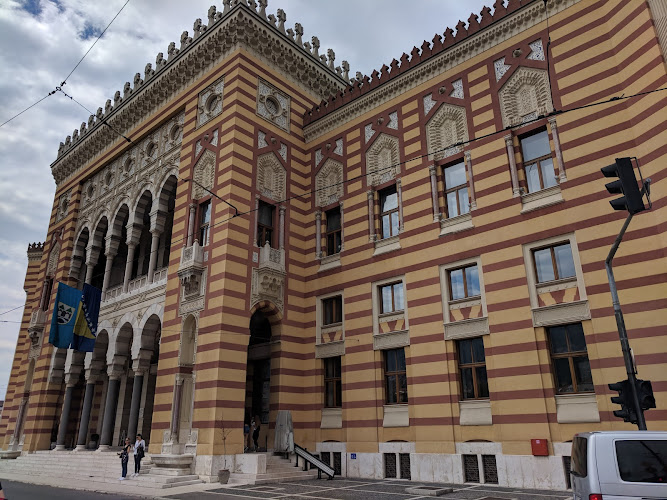
From the Baščaršija tram stop, walk through the old bazaar toward Halači; the final approach is pedestrian-oriented, so leave a car at paid parking near Vijećnica rather than attempting the narrow lanes. Historic stone paving, cobbled approaches, and doorway thresholds require care with wheelchairs and strollers; telephone about the entrance and gallery route before arrival. Café seating provides a useful rest stop. Pair the museum with Sarajevo City Hall, about five minutes away, the Sebilj fountain, roughly five minutes away, and the Latin Bridge, around ten minutes on foot.
Frequently Asked Questions
What are the opening hours, and when should I visit?
Listed hours are 9am–11pm daily. Morning is a practical choice for concentrating on the displays; check museum-room access before an evening visit.
Is admission free, and do I need a reservation?
Museum admission is paid, and café orders are charged separately. Contact the venue for current ticket prices and arrangements for groups or guided visits.
How long should I allow?
Allow 45–75 minutes for the exhibition and a coffee. Visitors interested in recorded music and individual performers can comfortably spend longer listening and reading.
Is Sevdah Art House suitable for families and wheelchair users?
Families can combine a short introduction to Bosnian music with a courtyard break. Wheelchair users should check the complete access route in advance because historic paving and thresholds can complicate movement.
When planning your Sarajevo travel guide or browsing verified attractions in Sarajevo, pair this stop with standout local spots including War Childhood Museum, Gallery 11/07/95, Hotel Grand Sarajevo, and Brusa Bezistan (nearby).