Set in Seville’s leafy Parque de María Luisa, the Museum of Popular Arts and Traditions (Museo de Artes y Costumbres Populares) looks as much like a destination as a museum. It occupies the Pabellón Mudéjar, Aníbal González’s elaborate 1929 exposition building on Plaza de América, where patterned brickwork, ceramic detail and arches make the approach part of the experience.
Inside, the focus shifts from grand architecture to the texture of everyday Andalusian life: the trades people practised, the rooms they furnished, the clothes they wore and the festivities they staged. This is an ethnographic museum rather than a rapid-fire art stop, rewarding visitors who slow down to study tools, textiles, craft processes and the details behind Seville’s familiar visual traditions.
Standout Highlights & What Not to Miss
The museum works particularly well as a counterpoint to Seville’s monumental sights. Rather than concentrating on royal history or religious art, it explains how Andalusian culture was made and lived. Begin outside with the pavilion’s façade, then follow the displays from practical work to domestic, ceremonial and festive life. Exhibition content can change, so regard temporary displays as a welcome extra rather than the sole reason for a visit.
- The Pabellón Mudéjar: Designed for the 1929 Ibero-American Exposition, this neo-Mudéjar landmark is one of Plaza de América’s defining buildings. Pause for the glazed tilework, brick ornament and polylobed entrance before going inside.
- Recreated artisan workshops: Displays devoted to pottery, metalworking, leatherwork and guitar making make traditional skills easier to understand than a case of finished objects alone. Look for the sequence from raw material through tools and production.
- Triana ceramics: Ceramic pieces connect the museum to one of Seville’s best-known craft traditions. They are especially useful context before exploring Triana, where tilework, pottery shops and the neighborhood’s working history remain central themes.
- Textiles, embroidery and lace: The museum’s costume and textile holdings provide a close look at fine handwork. Give these cases time: embroidery, lace and dress details reveal techniques easily missed on a quick circuit.
- Feria de Abril traditions: Costumes, posters and related material place one of Seville’s most recognizable celebrations in a wider social setting. It is a helpful visit even outside feria season, when the city’s festive imagery can otherwise feel disconnected from its history.
Visitor Strategy & Planning Snapshot
| Planning Factor | What to Expect | Practical Strategy |
|---|---|---|
| Ideal Arrival Window | The museum sits within a park that becomes more appealing once the day’s heat eases, while Plaza de América is at its quietest before larger sightseeing groups arrive. | Visit early if you want the galleries and façade with fewer people, or pair it with a later park walk when temperatures are comfortable. |
| Typical Time Needed | A focused visit usually takes 1 to 1.5 hours, with longer needed for readers who linger over the craft and textile displays. | Allow 90 minutes if the building, workshops and costume collection all interest you; avoid treating it as a ten-minute photo stop. |
| Booking / Queue Reality | This is generally a calmer cultural stop than Seville’s headline monuments, though access arrangements and temporary exhibitions can affect the experience. | Check current entry conditions before setting out, especially on weekends, public holidays or during exhibition changes. |
| Terrain & Accessibility | Flat park paths lead to the pavilion, and an adapted entrance and elevator connect its two floors. | The approach is manageable for visitors using wheels or with limited mobility; plan extra time to enjoy the building without rushing. |
| Weather / Seasonal Fit | The indoor galleries offer a useful break from Seville’s intense warmer-weather sun, while the surrounding park is most pleasant in milder months. | Use it as a midday cultural refuge in hot weather, then continue through Parque de María Luisa when shade and light improve. |
Honest Trade-Offs: Best For vs. Who Might Skip
This museum is best for history-minded travelers, design and craft enthusiasts, families looking for tangible stories of work and celebration, and anyone who wants depth beyond Seville’s cathedral-and-palace circuit. Its real strength is specificity: ordinary household objects, workshop tools and regional costume make culture feel concrete. Visitors seeking blockbuster paintings, dramatic immersive installations or a tightly narrated English-language spectacle may find the presentation more traditional and self-directed. It is also less suited to travelers with only a few hours in Seville who have not yet seen the city’s major landmarks. For those already spending time in the park, however, it is a richly rewarding and comparatively unhurried stop.
Neighborhood Context & How to Pair Your Visit
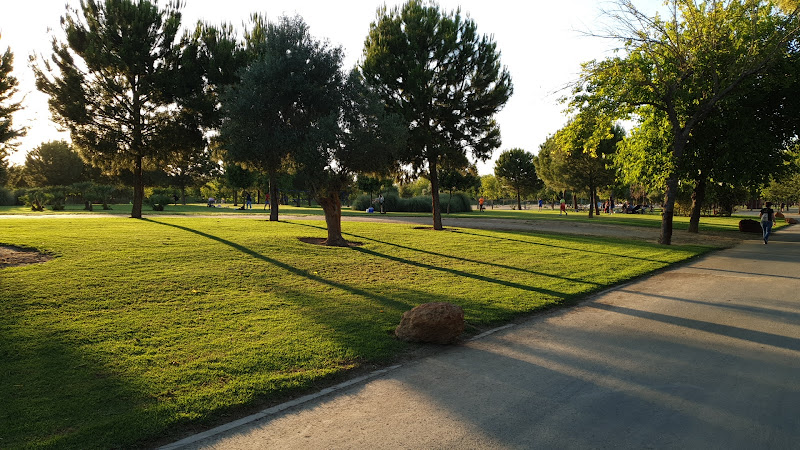
Build this into a south-of-center Seville itinerary rather than treating it as an isolated museum. Plaza de América places you among other 1929 exposition architecture, and Parque de María Luisa offers shaded paths, fountains and broad promenades for a relaxed walk before or after the galleries. Continue toward Plaza de España for a larger architectural set piece, or use the museum’s ceramics and craft displays as a prelude to crossing the river later for Triana. The combination of pavilion, park and nearby monuments makes the visit especially satisfying at a measured pace: look closely indoors, then let the route unfold on foot.
When planning your Seville travel guide or comparing verified attractions and museums in Seville, pair this stop with standout local spots including Az-Zait restaurante, Los Seises Sevilla, a Tribute Portfolio Hotel, sevilla shopping, and Parque de las Palomas (nearby).