Editorial disclosure: This destinations.ai guide was prepared with AI assistance and checked against the official sources linked below. Accommodation and activity placeholders may use affiliate links; that does not change the planning advice.
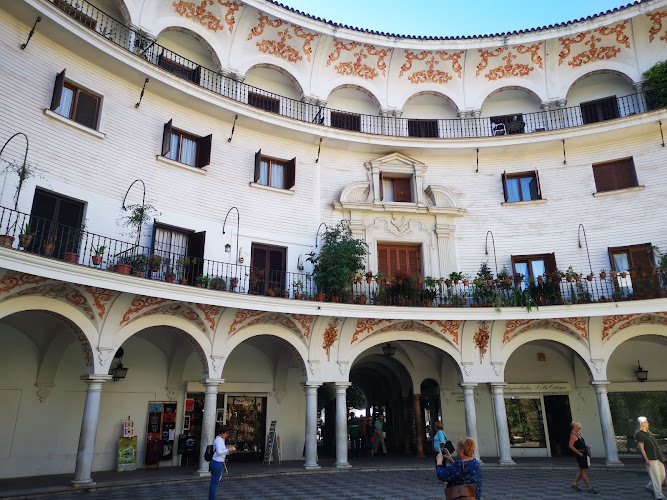
Seville, the sun-drenched capital of Andalusia in southern Spain, is the birthplace of flamenco and one of the country’s most romantic cities, full of orange trees, Moorish architecture and tapas culture.
Its three great monuments stand close together: the lavish Royal Alcazar palace and gardens, the vast Gothic Seville Cathedral with its Giralda bell tower, and the historic General Archive of the Indies. Beyond them, wander the whitewashed lanes of the Santa Cruz quarter, catch flamenco in Triana, and admire the grand Plaza de Espana.
The best time to visit is March to May or October, when temperatures are pleasant and the summer heat (often above 36C in July and August) has eased. Time a spring trip around Semana Santa or the colourful Feria de Abril, and book Alcazar tickets ahead.
Affiliate placeholder: Compare accommodation options after checking the official property details, location, and cancellation terms.
Affiliate placeholder: Check current activity availability, meeting points, accessibility, and cancellation terms before reserving.
Sources and current planning links
Explore more destinations.ai travel guides when building a longer route.
How to plan a Seville visit
Seville is easiest to explore by grouping nearby landmarks into walkable days and protecting the middle of the afternoon in hot weather. The historic center supplies the headline monuments, while Triana, María Luisa Park, the riverfront, and newer food and arts areas give the trip its texture. Reserve the attractions that control your schedule first, then leave room for tapas, shade, and the unplanned turns that make the city feel less like a checklist.
What are the best things to do in Seville?
Start with the Royal Alcázar, Seville Cathedral, the Giralda, and the Archivo de Indias, which sit close enough to combine carefully. The Alcázar deserves more than a hurried courtyard photograph; leave time for the gardens and the transitions between the palace’s architectural periods. The Cathedral and Giralda require a different kind of attention, with a large interior and a climb or viewpoint experience that may not suit everyone. Check current timed-entry rules and dress expectations before you go.
Plaza de España and María Luisa Park are best approached as a slower outdoor block. Walk the square, cross into the park, and decide whether the heat calls for a short loop or a longer wander. The Torre del Oro and riverfront can extend the route toward Triana. At dusk, consider a flamenco performance or a neighborhood dinner, but use the venue’s own schedule and transport details rather than assuming a show runs every night.
Which Seville neighborhoods are best for visitors?
Santa Cruz is convenient for a first visit, while El Arenal, Alameda, and Triana suit travelers who want a different evening rhythm. Santa Cruz puts you near the cathedral, Alcázar, narrow lanes, and many restaurants, but its popularity can mean noise and higher demand. El Arenal works well for riverfront access and the bullring area. Triana brings ceramics, bridges, local bars, and a distinct relationship with the Guadalquivir. Alameda and nearby northern neighborhoods can feel more residential and food-focused.
Choose lodging by the route you will actually walk. Air conditioning, quiet windows, lift access, luggage storage, and a practical taxi or airport connection matter more than a vague promise of being “central.” Compare the exact address with your first reservation and the station or airport transfer. A beautiful room on a pedestrian lane may be awkward with heavy bags; a slightly quieter base can make a hot-weather trip easier.
What should you eat in Seville?
Plan Seville meals around small plates, local specialties, and the neighborhood you are already visiting. Tapas can be a way to sample several flavors without committing to a long formal meal. Look for salmorejo, espinacas con garbanzos, grilled fish, cured meats, seasonal vegetables, and Andalusian sweets, but read current menus rather than treating a dish as guaranteed. A market visit can work for an early lunch; a popular flamenco-area restaurant may need a reservation.
Ask directly about allergens, shared fryers, vegetarian choices, and service hours. Dinner often starts later than some visitors expect, while the hottest part of the day may be an ideal time for a long meal or a hotel break. For a more personal evening, cross the river into Triana and choose one or two places instead of trying to cover every bar mentioned in a list. Save the address offline so a full phone battery is not part of your dining plan.
What is the best time to visit Seville?
Spring and October are often the most comfortable times for a Seville sightseeing trip. March through May brings pleasant walking weather but also major demand around Semana Santa and Feria de Abril. October can offer warm days with less punishing heat than high summer, though event calendars still affect prices and availability. June through August can be intensely hot; schedule outdoor sights early or late, drink water regularly, and keep an indoor or shaded midday plan.
Winter is useful for travelers who prefer museums, food, and quieter streets, but daylight and attraction hours can be different from a summer itinerary. Whatever the season, check the official opening times for the Alcázar, Cathedral, museums, and flamenco venues just before booking. Festivals are part of Seville’s character, not a guarantee that a particular street or business will operate normally during your dates.
How do you get around Seville?
Walking handles much of the historic center, while buses, trams, taxis, and bikes help with longer connections. Seville Santa Justa station is close enough to the center for a walk or short transfer, but luggage, heat, and cobblestones can change the sensible choice. From the airport, confirm the current bus, taxi, or pre-booked transfer arrangement. If you buy a tourist transport card, check exactly which services and dates it covers before assuming it replaces every ticket.
Do not rent a car solely to explore central Seville. Traffic restrictions, narrow streets, parking, and pedestrian areas can turn a short trip into a nuisance. A car can make sense for an Andalusian road itinerary, but collect it when leaving the city and verify the return logistics. For cycling or e-scooters, use marked routes and pay attention to pedestrian-heavy plazas and uneven surfaces.
Seville with children and travelers with access needs
Families do well in Seville when a monument, a park, and a food stop share the same day. The gardens of the Alcázar, María Luisa Park, Plaza de España, riverfront walks, and short cultural visits give children room to change pace. Build in snacks and shade instead of expecting young travelers to complete a full historic-center marathon. The city’s lanes are beautiful but not always smooth for a stroller, so check the route and bring a backup plan.
Accessibility depends on the specific building, entrance, lift, cobbled route, and crowd level. Contact each attraction about step-free access, seating, toilets, timed entry, and companion arrangements before paying. The Cathedral tower and older lanes may be difficult for some visitors even when the main building has an accessible route. A guide or hotel concierge can help reduce unnecessary transfers, but confirm any promise with the attraction itself.
A practical three-day Seville itinerary
Three days gives first-time visitors enough room for Seville’s major monuments, a park or river walk, and a neighborhood evening. Keep the first two days close to the historic center and use the third for Triana, a museum, or a carefully timed regional excursion.
- Day one: reserve the Alcázar and Cathedral area, walk Santa Cruz, and finish near the river with a flexible dinner.
- Day two: visit Plaza de España and María Luisa Park in the cooler part of the day, then explore El Arenal or a museum.
- Day three: cross into Triana, browse ceramics and food stops, and choose a flamenco performance or a relaxed neighborhood evening.
Which day trips work from Seville?
Córdoba, Cádiz, Jerez, and selected white villages can work as day trips, but each needs its own transport check. Choose one destination, verify the current train or bus timetable, and protect the return journey before booking a late dinner in Seville. A day trip is a good addition when it adds a distinct experience; it is a poor trade when it turns every day into a station sprint. The official regional tourism information can help you compare the route and seasonal context.
Seville rewards travelers who notice its small shifts: shade under orange trees, a quiet courtyard after a crowded monument, and a meal that starts when the day finally cools. Reserve what is genuinely time-sensitive, verify current details, and keep enough space for the city between the landmarks.
For a longer regional route, compare Barcelona, Spain, Madrid, Spain, Lisbon, Portugal with this destination before finalizing your itinerary.
Frequently asked questions
What is Seville, Andalusia best known for?
Seville, the sun-drenched capital of Andalusia in southern Spain, is the birthplace of flamenco and one of the country's most romantic cities, full of orange trees, Moorish architecture and tapas culture.
When is the best time to visit Seville?
The best time to visit is March to May or October, when temperatures are pleasant and the summer heat (often above 36C in July and August) has eased.
How many days should you spend in Seville?
Plan about 3 days for a first visit, then add time if you want to explore beyond the central sights.
How should you get around Seville?
How to plan a Seville visit Seville is easiest to explore by grouping nearby landmarks into walkable days and protecting the middle of the afternoon in hot weather.
What should you book ahead in Seville?
Time a spring trip around Semana Santa or the colourful Feria de Abril, and book Alcazar tickets ahead.
Explore Seville by Category: Discover top curated spots across Seville Attractions & Sightseeing, Best Places to Stay in Seville, Seville Restaurants & Dining.