Editorial disclosure: This destinations.ai guide was prepared with AI assistance and checked against the official sources linked below. Some hotel and tour links on this page may earn an affiliate commission at no extra cost to you; our editorial recommendations remain independent.
Quick Trip-Planning Snapshot
Sonoma rewards a slow three-day stay: one day for the Sonoma Valley and its historic Plaza, one for the Russian River Valley or Dry Creek, and one flexible day for the coast, a hike, or simply a long lunch. Treat it as a drive-first destination, since vineyards are spread along Highway 12 and Highway 101, with trains and buses useful mainly for reaching the region and for town-centered stays. Book lodging and any appointment-only tastings several weeks ahead for May and the September–October harvest, and longer for weekends.
- Best Base for First-Timers: The town of Sonoma, where the Plaza puts restaurants, tasting rooms, and the Mission within a short stroll, and Sonoma Valley wineries are a 10 to 20 minute drive.
- Getting Around: Rent a car or hire a driver for winery days. From San Francisco, the drive is roughly 90 minutes in traffic, and SMART rail serves Petaluma and Santa Rosa but not the Sonoma Plaza, so a bus, rideshare, or transfer is still needed.
- Peak vs. Value Windows: Peak runs late summer through harvest, plus holiday weekends. Value is found on weekdays, in November, and in the winter green season, when rates soften and tasting rooms are calmer.
- Top Insider Tip: Cluster tastings by area, limit yourself to two or three per day, and add a lunch stop in between. Many top producers require appointments, and a designated driver or tour is the safest plan.
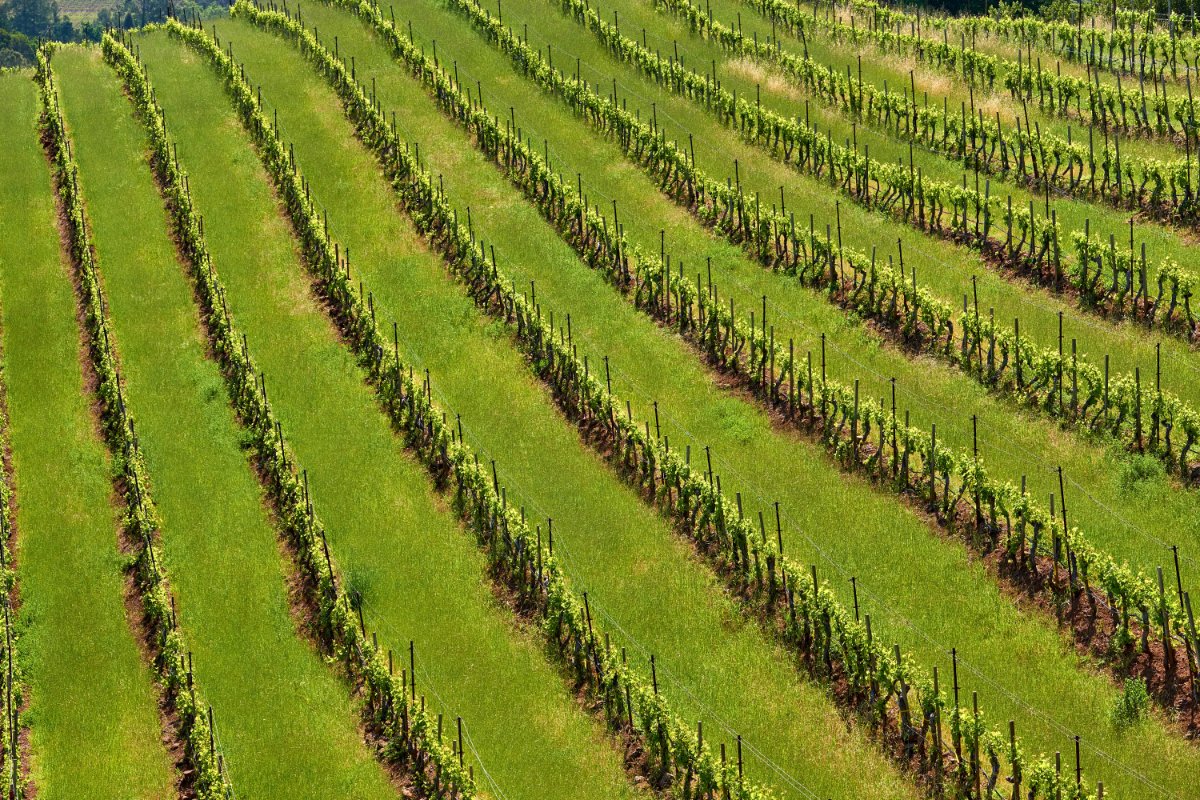
Sonoma, California, sits in the southern reach of Sonoma Valley, about 45 miles north of San Francisco. You come for vineyard landscapes and tasting rooms, then stay engaged with a walkable historic plaza, California history, farm-driven food, and easy access to parks and the coast.
For a first visit, base yourself near Sonoma Plaza, reserve one or two winery experiences per day, and leave time for a long lunch, the mission district, and a scenic drive through the valley. The town of Sonoma is distinct from much larger Sonoma County, whose coastal towns, redwood groves, Russian River communities, and Healdsburg wine region require separate driving time.
Your best trip balances a few planned stops with room to follow a roadside farm stand, gallery, or shaded patio. Sonoma’s unhurried pace rewards travelers who don’t pack every hour with tastings.
Key Takeaways
- Stay near Sonoma Plaza for a walkable first-time base.
- Book tastings and popular dinners before arrival.
- Add history, hiking, or the coast to balance wine country.
Quick Answers and Trip Profile
Sonoma is a strong choice for a two- or three-day California wine-country trip built around the historic town of Sonoma and the surrounding Sonoma Valley. You’ll find winery visits, chef-led restaurants, independent shops, historic landmarks, and low-key outdoor time within a compact area south of Santa Rosa.
The town’s focal point is Sonoma Plaza, a broad, leafy square surrounded by tasting rooms, restaurants, shops, and public-history sites. Use it as your orientation point, even if you stay among vineyards or in nearby Glen Ellen.
- Best for: Couples, food-focused weekend travelers, history fans, friends planning a designated-driver outing, and families seeking a relaxed Northern California base.
- Ideal duration: Two nights for Sonoma Valley; three nights for a day in Glen Ellen, the coast, Santa Rosa, or the Russian River area.
- Best base: Sonoma Plaza for walkability; Glen Ellen for a quieter valley setting; Santa Rosa for broader hotel inventory and county exploration.
- Car need: Essential for vineyards, state parks, and day trips. Downtown Sonoma works well on foot and by bicycle.
- Planning rhythm: Limit yourself to two seated tastings in a day, especially when meals and driving are involved.
Sonoma Valley and Sonoma County are often used interchangeably in travel conversation, yet they cover different geographic scales. Sonoma Valley centers on Sonoma, Glen Ellen, Kenwood, and vineyard roads, while Sonoma County extends west to the Pacific Ocean and north toward Healdsburg.
Best Things to Do in Sonoma
Start with Sonoma Plaza and Sonoma State Historic Park, then build your day around one winery, a good meal, and time outdoors. That sequence gives you a sense of place before you head into the vineyards.
Walk the plaza’s perimeter and visit Sonoma State Historic Park, where historic buildings preserve the setting of the 1846 Bear Flag Revolt. Mission San Francisco Solano, founded in 1823, stands at the north end of the plaza and anchors the town’s Spanish and Mexican-era story.
For wine, choose wineries by setting and style instead of trying to cover a long list. Book an appointment at an estate in Sonoma Valley, then consider Buena Vista Winery for its historic role in California wine.
The property traces its commercial wine history to 1857, and its cellars are a useful stop for travelers who want context alongside a tasting. Reserve time for a vineyard walk, cave tour, seated tasting, or food-and-wine pairing where offered.
Confirm age policies, tasting format, cancellation rules, and transportation before booking, since each winery sets its own terms. Other worthwhile town stops include browsing local boutiques, tasting olive oil, enjoying a spa treatment, or taking an early-evening walk through the plaza.
Keep your final tasting within walking distance of dinner when you want to leave the car parked.
History, Culture, and Local Character
Sonoma’s local character comes through most clearly in its plaza-centered history, agricultural economy, and independent businesses. Give the historic district at least half a day if California’s early statehood story interests you.
Mission San Francisco Solano was the northernmost of California’s 21 missions. The nearby barracks and other historic buildings relate to Mexican-era Sonoma and the Bear Flag Revolt, when a group of settlers declared the short-lived California Republic in 1846.
You can explore the mission and surrounding landmarks on foot, then use the exhibits to connect the town’s Indigenous, Spanish, Mexican, and United States histories. Approach mission history with care: these sites also reflect the forced labor, displacement, and cultural disruption experienced by Native communities under the mission system.
The town’s present-day culture is shaped by growers, winemakers, chefs, artists, and small retailers. Seasonal farmers’ markets, gallery programs, harvest events, and community recreation offerings change throughout the year; check the City’s recreation and activities guide for current programs and public events.
For a focused indoor stop beyond the plaza, the California Missions Museum offers another lens on the state’s mission era. Give yourself time to read interpretation instead of treating historic buildings as quick photo stops.
Neighborhoods, Parks, and Outdoor Activities
Where to Stay: Neighborhood Trade-Off Matrix
| Neighborhood / Area | Best For | Vibe & Walkability | Key Trade-Off |
|---|---|---|---|
| Sonoma Plaza (Town of Sonoma) | First-timers, couples, food-focused trips | Highly walkable. Historic Plaza, Mission, and a dense cluster of restaurants and tasting rooms. | Mid to high rates and busy weekends; most vineyards still need a short drive or ride. |
| Glen Ellen | Quiet romantic stays, Jack London State Historic Park hiking | Small village feel with a handful of restaurants. Walkable in the center only. | Limited dining and lodging inventory, and little nightlife. |
| Kenwood | Valley wineries and Sugarloaf Ridge hiking | Rural and scenic, with a car needed for nearly everything. | Few services; not ideal without a designated driver. |
| Healdsburg | Upscale dining, Dry Creek and Alexander Valley tastings | Polished, very walkable plaza with boutiques and a strong restaurant scene. | Among the pricier bases, and about 45 minutes or more from Sonoma Valley. |
| Santa Rosa | Budget-conscious travelers, SMART rail and airport access | Practical city base with breweries and chain-friendly lodging. Walkable only in pockets. | Less romantic atmosphere and more traffic between you and the vineyards. |
| Petaluma | Rail arrivals from the Bay Area, antiques, farm-country days | Compact historic downtown by the river, easy to explore on foot. | Farthest from the main tasting corridors, so winery days require more driving. |
| Guerneville / Russian River | Redwoods, kayaking, Pinot Noir producers | Casual, outdoorsy, and walkable in the village core. | Winding roads, summer congestion, and slower access to Sonoma Valley. |
Choose by how you want your days to run. If you want to walk to dinner and keep logistics simple, base on the Sonoma Plaza. For polished dining and Dry Creek or Russian River tastings, Healdsburg fits better. Glen Ellen and Kenwood suit travelers who prefer quiet and trails, while Santa Rosa and Petaluma reduce cost and ease train or airport access. Avoid splitting the stay across more than two bases on a short trip.
Sonoma gives you several distinct bases and outdoor escapes, from the town’s walkable core to ridge trails, redwood groves, river beaches, and Pacific headlands. Match each day to one geographic zone so driving doesn’t take over your itinerary.
Sonoma Plaza and East Side suit travelers who value restaurants, tasting rooms, history, and evening strolls. The East Side places you near tree-lined streets and quick access to vineyard roads, while the west and south sides offer a more residential feel.
Glen Ellen sits north of town along Sonoma Valley’s rural corridor. Choose it for a quieter setting and proximity to Jack London State Historic Park, wineries, and valley hiking.
For an accessible in-town hike, take the Sonoma Overlook Trail from near the plaza. Carry water, use sun protection, and start early during warm weather.
Trail conditions, closures, and seasonal hazards change, so confirm details with local land managers before setting out. For a larger outdoor day, drive west to the coast or north toward redwoods and the Russian River.
Sonoma County has more than 50 miles of Pacific coastline, and the Sonoma Coast State Park day-use fee is $10 per vehicle. Expect cool wind and fog on the coast even when Sonoma Valley is warm.
Bring layers for Bodega Bay, sturdy footwear for uneven trails, and a paper or downloaded map where cell service drops. Current beach safety notices, tide conditions, and park alerts deserve a check before departure.
Where to Stay and What to Eat
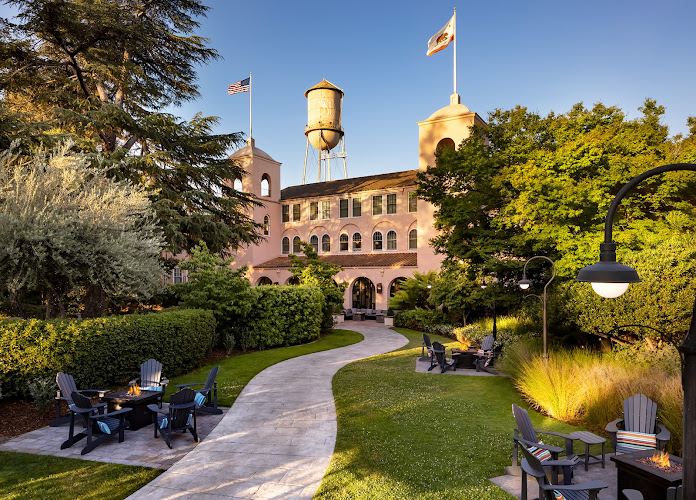
Stay near Sonoma Plaza when you want to walk to dinner and tasting rooms, or choose a valley inn when vineyard views and quiet evenings shape your trip. Sonoma’s lodging ranges from historic hotels and spa resorts to small inns, vacation rentals, and practical chain hotels in nearby Santa Rosa.
A plaza hotel places you close to the historic district, allowing you to leave your car parked after a day of driving. For a classic central option, review the location and current amenities at Sonoma Hotel.
Glen Ellen gives you a more rural overnight experience, while Santa Rosa works well if you’re splitting time among Sonoma Valley, the Russian River, and the coast. Book lodging early for harvest season, major holiday weekends, and summer Saturdays.
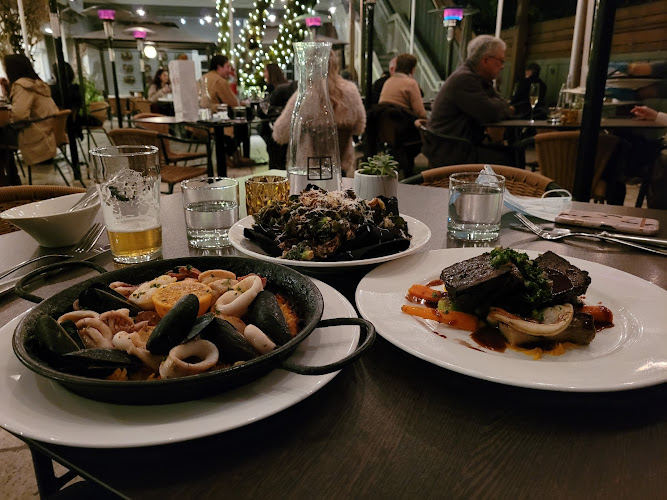
Check parking fees, breakfast service, accessible-room features, pet policies, and minimum-stay rules before committing. Sonoma dining centers on seasonal Northern California ingredients, local produce, cheese, olive oil, and wine-country cooking.
Reserve a destination dinner if it’s central to your visit, then keep one meal flexible for a plaza café, bakery, market, or picnic assembled from local provisions. Ask wineries in advance about outside food and picnic access, since property policies differ.
How to Get There and Get Around
A rental car gives you the most practical access to Sonoma, its vineyards, and the wider county. Sonoma itself has no major airport, so most visitors fly into the Bay Area or Santa Rosa and drive.
Charles M. Schulz-Sonoma County Airport in Santa Rosa offers nonstop service from selected United States cities. San Francisco International Airport and Oakland International Airport provide broader flight options, followed by a drive north through the Bay Area and into Sonoma County.
From San Francisco, plan extra time for bridge and highway traffic, especially Friday afternoons and Sunday returns. If you’re arriving during a high-demand weekend, reserve your rental vehicle well ahead of travel dates.
Downtown Sonoma is compact and easy to cover on foot. The City identifies Sonoma as bicycle-friendly and notes that the fare-free Sonoma Shuttle operates as Sonoma County Transit Route 32; check current local transportation details before relying on a schedule.
Use a hired driver, guided tour, or rideshare plan for winery days involving alcohol. Arrange pickup in advance for rural properties, where rideshare availability becomes limited and return trips take longer to secure.
A designated driver lets your group enjoy winery appointments without turning the day into a transportation problem.
Best Time to Visit and Seasonal Planning
September offers Sonoma’s most vivid harvest atmosphere, while May and October give you pleasant weather with a more manageable pace. Your best month depends on whether you prioritize vineyard activity, hiking temperatures, or lower lodging demand.
Summer brings dry, sunny weather and long daylight, with valley afternoons growing hot. Plan walks, bike rides, and overlook trails early, then shift to shaded tastings, lunch, or a pool during the warmest hours.
Harvest season runs through late summer and fall, with September drawing visitors for grape activity, winery events, and golden vineyard views. Reservations become particularly important for weekends, and traffic builds around popular restaurants and tasting rooms.
Winter gives you cooler temperatures, rain, quieter tasting rooms, and more flexibility around town. January through April brings green hills and mustard blooms among dormant vines, though rain can affect trail plans and rural driving conditions.
Spring feels fresh and active, with wildflowers, new vine growth, and comfortable days for outdoor exploration. Pack a light rain layer during winter and spring, then bring a warm outer layer year-round for coastal excursions and cool evenings.
Wildfire conditions and heat advisories affect Northern California travel in late summer and fall. Check road conditions, air quality, park alerts, and cancellation terms before you leave home, especially when your itinerary includes remote trails or the coast.
A Practical Two- or Three-Day Itinerary
A successful Sonoma itinerary keeps each day geographically focused and limits winery appointments to a pace you can actually enjoy. Use the two-day plan for a classic town-and-valley weekend, then add a third day for nature or a nearby community.
Day 1: Sonoma Plaza and a nearby winery. Arrive, check in, and walk Sonoma Plaza. Visit Mission San Francisco Solano and the historic park area, have lunch near the square, then attend one reserved afternoon tasting close to town.
Return to the plaza for dinner so you don’t need to drive after wine.
Day 2: Sonoma Valley and Glen Ellen. Start with breakfast, then drive north through vineyards toward Glen Ellen. Choose one morning winery appointment and one lunch stop.
Spend the afternoon at Jack London State Historic Park or on the Sonoma Overlook Trail if you’d prefer to remain near town. Reserve dinner before you begin the day.
Day 3: Choose coast, redwoods, or Santa Rosa. Head west to Bodega Bay and Sonoma Coast State Park for ocean views and seafood, or drive north for Armstrong Redwoods and the Russian River corridor. Families may prefer Santa Rosa for the Sonoma TrainTown Railroad and additional indoor attractions.
Leave generous driving buffers between reservations. Sonoma County roads are scenic, winding in places, and slower during harvest weekends or coastal fog.
Costs, Safety, Accessibility, and Reservations
Sonoma costs rise most sharply around lodging, restaurant reservations, private transportation, and premium winery experiences. Build your budget around those categories, then use public historic sites, plaza walks, picnic lunches, and self-guided drives to control daily spending.
Wineries set their own tasting fees, purchase requirements, appointment rules, and cancellation windows. Some offer waived fees with purchases, while others charge separately for elevated tastings or tours.
Confirm the complete cost before booking, and don’t assume walk-ins are available.
For safety, use a sober driver for every winery day, wear sunscreen, keep water in the car, and avoid hiking alone in remote areas near dusk. Coastal cliffs, cold surf, changing tides, rural roads, and summer heat call for more preparation than the plaza does.
Sonoma County publishes an guide to accessible hotels, restaurants, parks, wineries, and experiences. Contact each hotel, restaurant, winery, and park directly to confirm step-free entrances, accessible restrooms, parking, route surfaces, service-animal policies, and the availability of mobility equipment on your travel date.
Reserve lodging, winery appointments, special dinners, tours, and accessible transportation before arrival. Keep confirmation emails handy, and confirm pickup points where a tour or driver is meeting you at a rural property.
Sources and Current Planning Links
Use official planning pages close to your travel dates because hours, road conditions, events, winery policies, and seasonal access can change.
- Find maps, visitor information, lodging ideas, and local itineraries through the Sonoma Valley trip-planning page.
- Check countywide maps and visitor materials through Sonoma County trip-planning resources.
- Review city programs, parks, and seasonal recreation opportunities through the City of Sonoma recreation guide.
- Confirm coastal access, fees, and accessibility details through Sonoma Coast State Park.
- Browse a local overview of Sonoma, California before narrowing your lodging and activity choices.
Frequently Asked Questions
Sonoma works best when you treat the town, vineyards, and wider county as separate day plans. The answers below help you choose the right trip length and balance wine-country staples with family-friendly and alcohol-free activities.
Is Sonoma, California worth visiting?
Sonoma is worth visiting when you want a historic Northern California town with winery access, strong dining, and outdoor options close by. You get the greatest value from a stay that includes Sonoma Plaza, one or two vineyard appointments, and at least one activity beyond wine tasting.
What are the best things to do in Sonoma without drinking?
You can explore Sonoma Plaza, Mission San Francisco Solano, Sonoma State Historic Park, the Sonoma Overlook Trail, local shops, restaurants, and spa experiences without drinking. Add a coast day, redwood hike, museum visit, or family attraction to create a full itinerary centered on scenery and history.
How many days do you need in Sonoma, CA?
You need two full days for Sonoma town and nearby Sonoma Valley wineries. Add a third day for Glen Ellen, Bodega Bay, Armstrong Redwoods, Santa Rosa, or the Russian River, since each requires more driving time.
What is the best month to visit Sonoma Valley?
September is the best month for harvest energy, vineyard activity, and warm days. May is an excellent choice when you want green scenery, spring weather, and fewer harvest-season crowds.
What can families do in Sonoma?
Families can visit Sonoma Plaza, explore historic sites, ride the Sonoma TrainTown Railroad, picnic in parks, and take easy walks with valley views. Keep winery visits short and confirm family policies in advance, since individual tasting rooms set their own rules for children.
What day trips can you take from Sonoma?
From Sonoma, you can take day trips to Bodega Bay and Sonoma Coast State Park, Glen Ellen, Santa Rosa, Armstrong Redwoods, Healdsburg, or the Russian River. Pick one direction for the day, set out early, and allow time for the drive back before booking dinner in Sonoma.
Affiliate placeholder: Compare accommodation options after checking the official property details, location, and cancellation terms.
Affiliate placeholder: Check current activity availability, meeting points, accessibility, and cancellation terms before reserving.
Explore Sonoma by Category: Discover curated spots across Sonoma Coffee shop, Sonoma Nightlife, Sonoma Wine bar, Sonoma History museum, Sonoma Museums, Sonoma Non-profit organization, Sonoma Cafe.
Seasonal Timing, Crowd & Pacing Matrix
| Season / Months | Weather & Crowd Reality | Standout Experiences | Planning Strategy |
|---|---|---|---|
| Spring (March–May) | Mild days, green hills, and cool mornings. Crowds build through May, with occasional rain early in the season. | Wildflowers, vineyard bud break, hiking at Sugarloaf Ridge and Jack London State Historic Park, and outdoor lunches. | May is the sweet spot. Book lodging early for May weekends, and bring layers. |
| Summer (June–August) | Warm to hot inland and cooler along the fog-prone coast. Busy weekends and higher rates. | Patio tastings, picnics, Russian River kayaking, and day trips to the Sonoma Coast. | Start tastings early, schedule midday swims or shade, and favor weekdays. Check current fire-season and air-quality conditions before travel. |
| Fall (September–October) | Dry, golden weather and the busiest, most energetic stretch as harvest peaks. | Crush activity, harvest events such as the Valley of the Moon Vintage Festival, and ideal hiking weather. | Reserve lodging and tastings well ahead, and prioritize weekdays. Expect traffic on Highway 12 and 101 on weekends. |
| Winter (November–February) | Cooler and wetter, with quieter tasting rooms and softer rates. Some days are foggy or rainy. | Fireside tastings, long lunches, mustard bloom toward late winter, and coastal storm watching. | Best value window. Pack rain gear, confirm tasting room schedules, and keep indoor backups. |
Most visitors arrive by car from San Francisco International or Oakland airports, roughly 90 minutes away depending on traffic, while Charles M. Schulz Sonoma County Airport in Santa Rosa offers a smaller regional option. Golden Gate Transit buses and SMART trains reach the county, with SMART serving Petaluma and Santa Rosa, so rail works for town-centered stays but not for rural wineries. Once you arrive, plan on a rental car, rideshare, or private driver, and check current SMART station and schedule information before booking.
Explore Sonoma by Category
- Attractions in Sonoma (21)
- Hotels in Sonoma (15)
- Restaurants in Sonoma (13)
- Museums in Sonoma (8)
- Parks in Sonoma (6)
- Winery in Sonoma (6)
- History museum in Sonoma (4)
- Wine bar in Sonoma (4)
- Cafe in Sonoma (3)
- Coffee shop in Sonoma (3)
- Nightlife in Sonoma (3)
- Non-profit organization in Sonoma (3)
Top Verified Places in Sonoma
- Sonoma Plaza (4.7★ · 3,995)
- Fairmont Sonoma Mission Inn & Spa (4.5★ · 1,443)
- the girl & the fig (4.5★ · 2,449)
- Children's Museum of Sonoma County (4.8★ · 714)
- Viansa Winery (4.4★ · 714)
- Luther Burbank Home & Gardens (4.6★ · 693)
- Sunflower Caffé (4.6★ · 1,297)
- Sonoma Botanical Garden (4.6★ · 337)
- Jack London State Historic Park (4.8★ · 1,086)
- The Lodge at Sonoma Resort, Autograph Collection (4.4★ · 1,066)
- El Molino Central (4.7★ · 1,683)
- di Rosa Center for Contemporary Art (4.4★ · 195)
- Buena Vista Winery (4.5★ · 603)
- Sonoma State Historic Park (4.7★ · 475)
- MacArthur Place Hotel & Spa (4.5★ · 454)
- Pacific Coast Air Museum (4.7★ · 172)
- Sonoma TrainTown Railroad (4.5★ · 1,365)
- Sonoma Bungalows (5.0★ · 374)
- Museum of Sonoma County (4.5★ · 146)
- The Donum Estate (4.8★ · 131)
- Valley (4.6★ · 258)
- Oso Sonoma (4.5★ · 388)
- Farmhouse Inn (4.7★ · 514)
- LaSalette (4.6★ · 691)