Editorial disclosure: This destinations.ai guide was prepared with AI assistance and checked against the official sources linked below. Accommodation and activity placeholders may use affiliate links; that does not change the planning advice.
St. Louis, Missouri, sits on the Mississippi River at the historic gateway between the eastern United States and the West. You can ride to the top of the 630-foot Gateway Arch, spend an afternoon in Forest Park’s major museums, and finish with toasted ravioli or barbecue in a neighborhood restaurant.
For a first trip, give St. Louis three days, stay near Downtown, the Central West End, or Clayton, and plan around one major attraction plus one neighborhood each day. The city rewards a flexible schedule. Its landmark sights are concentrated downtown, while food, parks, music, sports, and local character spread across distinct districts.
Use this St. Louis destination overview as a starting point for comparing areas and building a practical city break.
Key Takeaways
- Book Gateway Arch tram tickets early when they are central to your visit.
- Forest Park gives you a strong concentration of museums, green space, and family activities.
- A car makes neighborhood dining and attractions beyond the rail line far easier.
Quick Answers and Trip Profile
St. Louis suits you best when you want a long-weekend city trip with landmark architecture, accessible cultural institutions, sports, and distinctive local food. Two full days cover downtown and Forest Park; three days give you room for the Missouri Botanical Garden, a neighborhood meal, a museum, or a day trip across the river.
- Best first-time sights: Gateway Arch National Park, the Museum at the Gateway Arch, Forest Park, City Museum, and the Missouri Botanical Garden.
- Best areas for visitors: Downtown for Arch access, Central West End for walkable dining near Forest Park, and Clayton for a polished, central base.
- Airport: St. Louis Lambert International Airport serves the metro area.
- Getting around: Use MetroLink for selected airport and downtown trips; rent a car or use rideshare for broad coverage.
- Best seasons: Spring and fall offer the most comfortable weather for parks and walking.
St. Louis is a city of separate experiences linked by major roads and transit corridors. Plan your days geographically, keep an eye on attraction entry times, and don’t assume every neighborhood is a short walk from Downtown.
Best Things to Do in St. Louis, Missouri, United States
The essential St. Louis itinerary begins at Gateway Arch National Park and expands into Forest Park, City Museum, and the Missouri Botanical Garden. Together, these places offer the clearest view of the city’s history, imagination, landscape, and family appeal.
- Ride the tram at the Gateway Arch. The Arch rises 630 feet above the riverfront, and the compact tram cars lead to an observation area with views across the Mississippi River and Illinois. Reserve a timed tram ticket before you commit the rest of your Downtown schedule, especially on weekends and school breaks.
- Visit the Museum at the Gateway Arch and Old Courthouse. The museum frames St. Louis within Indigenous history, westward expansion, migration, and the building of the monument. The Old Courthouse adds essential context through the Dred and Harriet Scott case and its restored courtrooms.
- Explore City Museum. This former shoe factory contains tunnels, slides, climbing structures, art installations, and outdoor play areas. The building is large, active, and physical, so wear closed-toe shoes and supervise children closely.
- Spend a day in Forest Park. The park holds the Saint Louis Art Museum, Missouri History Museum, Saint Louis Science Center, and Saint Louis Zoo. The official visitor guide notes that Forest Park is approximately 500 acres larger than New York’s Central Park, so choose a cluster of stops instead of trying to cross it all on foot.
- Walk the Missouri Botanical Garden. The 79-acre garden provides a quieter counterpoint to the city’s indoor attractions. Check seasonal displays, ticket requirements, and weather guidance before you go.
- See a Cardinals game at Busch Stadium. Baseball is a strong evening anchor during the season. Pair it with dinner downtown or in nearby Ballpark Village, then allow extra time for traffic and security lines.
Families can also look to the Saint Louis Zoo, Magic House, and Science Center. For a broad list that reflects the range of attractions, from cultural institutions to outdoor activities, consult the official things to do in St. Louis collection.
History, Culture, and Local Character
St. Louis tells its story through the Mississippi River, westward expansion, Black history, immigrant neighborhoods, live music, and a deeply rooted sports culture. You’ll get more from the city when you connect its headline attractions with the communities around them.
Begin Downtown at the Arch and Old Courthouse, then look beyond the monument’s familiar image. The riverfront position made St. Louis a crucial commercial and migration corridor.
The city’s history also includes the Dred and Harriet Scott freedom suits, a story best approached at the Old Courthouse with time to read the interpretation closely. It’s worth resisting the urge to rush through this part of the visit.
For visual art, the Saint Louis Art Museum in Forest Park gives you a substantial museum setting, while the Contemporary Art Museum St. Louis and Pulitzer Arts Foundation add stops in Grand Center. Choose an evening performance in Grand Center when you want theater, jazz, classical music, or a touring show without a long cross-city journey.
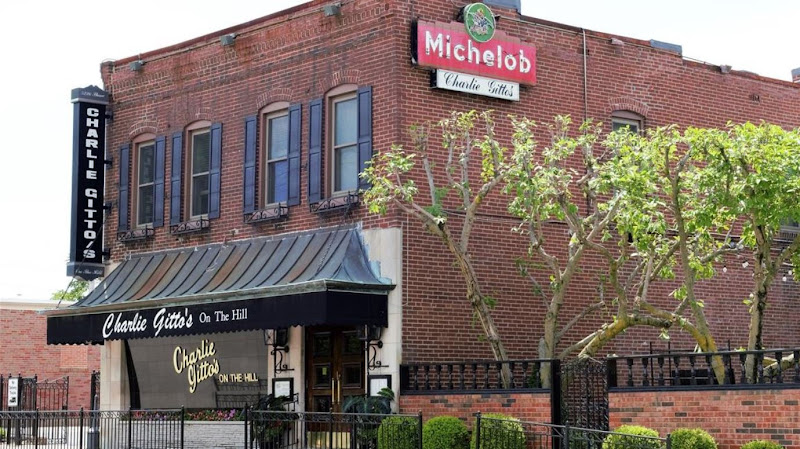
Food tells a cultural story as clearly as any museum. The Hill reflects Italian American heritage; Soulard carries market and tavern traditions; the Delmar Loop pairs independent venues with music history.
You’ll encounter regional staples such as toasted ravioli, St. Louis-style pizza with Provel cheese, gooey butter cake, and barbecue with a sweet-tangy local profile.
For current festivals, concerts, games, and neighborhood programming, use the official St. Louis trip-planning calendar and resources before locking in dates. Event schedules shift frequently, especially around holidays and sports seasons.
Neighborhoods, Parks, and Outdoor Activities
Choose neighborhoods by the kind of day or evening you want, because St. Louis attractions are spread across a broad urban area. Downtown gives you landmark access, while the Central West End, The Hill, Soulard, Grand Center, and the Delmar Loop provide distinct dining and entertainment bases.
- Downtown: Stay here for the Gateway Arch, Busch Stadium, City Museum, convention events, and riverfront access. Streets feel busiest around major events, while quieter blocks call for more deliberate route planning after dark.
- Central West End: This is a strong choice for restaurants, historic streets, Forest Park access, and a more walkable hotel setting.
- The Hill: Come for Italian American restaurants, specialty markets, and a meal-centered visit. It works best with a car or rideshare.
- Soulard: This historic district is known for Soulard Farmers Market, brick architecture, bars, and a lively atmosphere during major celebrations.
- Delmar Loop: Look here for record stores, casual dining, live music, and proximity to Washington University and Forest Park’s north edge.
Forest Park is the city’s flagship outdoor space, with paths, lakes, cultural institutions, and ample room for a picnic between museum visits. The Missouri Botanical Garden is better for designed landscapes and a slower walk.
For a river-focused outing, check current riverboat schedules and weather before heading to the levee. If you have an extra day and a car, Cahokia Mounds State Historic Site in Illinois makes a rewarding regional excursion.
Its Indigenous earthworks and museum context broaden the history you encounter at the Arch.
Where to Stay and What to Eat
Stay Downtown for sightseeing convenience, in the Central West End for restaurants and Forest Park, or in Clayton for a quieter business-district base with easy access to central St. Louis. Pick your hotel area before booking tickets, since driving or rideshare time can shape an evening plan.
Downtown hotels place you near the Arch and Busch Stadium. If you want to wake up within easy reach of the monument, consider Hyatt Regency St. Louis at the Arch or Drury Plaza Hotel St. Louis at the Arch.
For a design-focused stay near City Museum and Downtown dining, look at 21c Museum Hotel St. Louis.
Clayton works well when you value restaurants, business travel convenience, and a calmer evening setting. The Ritz-Carlton, St. Louis is one lodging option in that area.
Confirm parking fees, breakfast arrangements, and event-night policies directly with any hotel before reserving.
Build meals around local specialties without forcing every meal into a checklist. Order toasted ravioli as a shared starter, seek out barbecue for a casual lunch or dinner, and try gooey butter cake from a bakery.
The Hill is ideal for Italian food, Soulard for market-area energy, and the Central West End or Delmar Loop for varied restaurant choices.
Book a table for Friday and Saturday dinners, large groups, and sought-after tasting menus. Baseball games and major conventions raise demand downtown, so reserve your room and evening meal together when your dates are fixed.
How to Get There and Get Around
Fly into St. Louis Lambert International Airport, arrive by interstate if you are driving, or use intercity rail and bus connections based on your starting city. The airport sits northwest of Downtown, and MetroLink connects the airport with central stations.
MetroLink is useful for airport transfers and a limited set of city corridors. The official visitor guide lists a $2.50 one-way light-rail fare, with a $4.00 airport-to-downtown fare; tickets require validation before boarding.
Check the current MetroLink fare and service guidance before travel because schedules and fares can change.
A rental car gives you the smoothest access to Forest Park, The Hill, the Missouri Botanical Garden, Soulard, and suburban attractions. Parking rules vary block by block, so read signs closely and budget for garages near Downtown venues.
Rideshare is useful for dinner neighborhoods and for returning after a game or concert. Walking works well within the Central West End, Downtown around the Arch and stadium, Soulard, and the Delmar Loop.
It is less effective for moving between those districts. If you are arriving by car for a wider Missouri trip, add nearby destinations through this guide to places to visit in Missouri.
Best Time to Visit and Seasonal Planning
Visit St. Louis in spring or fall for the best balance of walkable weather, park time, and busy cultural calendars. September, October, April, and May are especially appealing for Forest Park, outdoor dining, and neighborhood exploring.
Summer brings Cardinals baseball, festivals, and long daylight hours, along with heat, humidity, and thunderstorms. Schedule the Arch, museums, or City Museum for the hottest portion of the day, then use evenings for a ballgame, patio dinner, or concert.
Winter offers quieter museum visits, holiday programming, and lower demand on many dates. Snow and freezing conditions can affect driving and outdoor plans, so keep a flexible indoor option such as the Saint Louis Art Museum or Missouri History Museum.
Spring weather changes quickly, and severe storms are possible across the region. Pack a light rain layer, comfortable walking shoes, and clothing that works across temperature swings.
Autumn weekends draw visitors for sports, events, and foliage, so book popular hotel areas early. Check attraction calendars before selecting your dates.
The city receives approximately 200 days of sunshine each year, as noted in the official St. Louis visitor guide, though sunshine doesn’t eliminate heat or storm planning.
A Practical Two- or Three-Day Itinerary
A three-day St. Louis itinerary lets you combine the core Downtown landmarks with Forest Park and a food-focused neighborhood day. Keep each day compact geographically, and reserve the Arch tram before filling in flexible stops.
- Day One: Downtown and the riverfront. Start at Gateway Arch National Park with the museum and a timed tram ride. Walk to the Old Courthouse, take a break at your hotel, then have dinner near Busch Stadium or attend a Cardinals game if the schedule lines up.
- Day Two: Forest Park and the Central West End. Choose two Forest Park institutions, such as the Saint Louis Art Museum and Saint Louis Zoo, or the Missouri History Museum and Science Center. Spend the evening in the Central West End, where restaurants offer an easy finish without another long transfer.
- Day Three: Garden, City Museum, and a neighborhood dinner. Visit the Missouri Botanical Garden in the morning, then choose City Museum for an energetic afternoon or Grand Center as an arts-focused alternative. Reserve dinner on The Hill, in Soulard, or on the Delmar Loop.
For a two-day visit, combine the Arch and City Museum on one Downtown day, then spend the second day in Forest Park and the Central West End. Skip the urge to add distant attractions between fixed ticket times.
A relaxed meal and a walk through one neighborhood will give your trip more texture than a rushed cross-town detour.
Costs, Safety, Accessibility, and Reservations
You can keep a St. Louis trip affordable by using free museum admission where offered, building days around parks, and reserving paid anchor attractions in advance. Hotel rates, parking, sports tickets, special exhibitions, food costs, and rideshare demand change with dates, so check current prices directly before setting a daily budget.
Several Forest Park institutions offer free general admission, though special exhibitions, ticketed experiences, and parking policies may carry charges. The City Museum, Gateway Arch tram, Missouri Botanical Garden, stadium events, and many performances require paid entry.
Set aside funds for parking if you drive, particularly Downtown.
For personal safety, use the same city awareness you would in any major U.S. destination. Stay on active, well-lit routes after dark, avoid displaying valuables, keep car interiors empty, and use rideshare or a taxi when moving between districts late at night.
Ask your hotel desk which routes are best for the time of day and your destination.
Accessibility needs deserve advance planning. The Arch tram has space and mobility limitations, while the museum and visitor facilities provide a more accessible way to experience the site. Contact each attraction before arrival to confirm wheelchair access, elevators, sensory guidance, companion policies, service-animal rules, and accessible parking.
Reserve timed Arch tram entry, City Museum tickets when required, popular restaurants, ballgames, and major performances in advance. The City of St. Louis also maintains visitor accessibility and tourism information that can help you identify current local resources.
Sources and Current Planning Links
Use official pages to confirm hours, tickets, closures, transit service, and event details close to your travel dates.
- Official St. Louis Visitor Guide for current attraction ideas and trip resources.
- Official St. Louis trip-planning resources for visitor information and seasonal planning.
- Greater St. Louis visitor guide for metro-area orientation and neighborhood context.
- City of St. Louis tourism information for visitor services and accessibility links.
- Official welcome guide for maps, brochures, and visitor-center information.
Frequently Asked Questions
St. Louis is worthwhile for a two- or three-day visit when you want major American history, strong museums, green space, and regional food in one trip. You will get the most satisfying experience by pairing the Gateway Arch with Forest Park and at least one neighborhood meal.
Is St. Louis, Missouri worth visiting?
Yes, St. Louis is worth visiting for the Gateway Arch, free and low-cost cultural attractions, Forest Park, sports, and neighborhood dining. The city works especially well for families, history-minded travelers, baseball fans, and weekend visitors who enjoy planning by district.
What are the best free things to do in St. Louis?
Forest Park is your best free starting point, with broad outdoor space and several major institutions that offer free general admission. You can also walk the grounds around the Gateway Arch, explore neighborhood streets, and check free public programming through official event calendars.
Where should I avoid staying in St. Louis?
Avoid choosing a hotel solely because it is cheap and far from the sights or restaurants you plan to use. Downtown near major attractions, the Central West End, and Clayton give you clearer visitor infrastructure.
Review current hotel feedback, parking arrangements, and late-night transportation before booking.
What should I do on a three-day itinerary in St. Louis?
Spend your first day at the Gateway Arch, Museum at the Gateway Arch, Old Courthouse, and a Downtown dinner or Cardinals game. Use day two for Forest Park and the Central West End, then devote day three to the Missouri Botanical Garden, City Museum or Grand Center, and dinner on The Hill, in Soulard, or on the Delmar Loop.
What are the best things to do in St. Louis this weekend?
Start with the Gateway Arch, Forest Park, City Museum, and the Missouri Botanical Garden. Then add a Cardinals game, concert, market visit, or festival that fits the current calendar.
Confirm hours and ticket availability before leaving, since weekend programming and special events can change throughout the year.
Affiliate placeholder: Compare accommodation options after checking the official property details, location, and cancellation terms.
Affiliate placeholder: Check current activity availability, meeting points, accessibility, and cancellation terms before reserving.