Kunstkamera, Russia’s first public museum, occupies a green-and-white Petrine Baroque building on University Embankment at the eastern tip of Vasilyevsky Island, facing the Hermitage across the Neva. Founded by Peter the Great in 1714 and now formally the Peter the Great Museum of Anthropology and Ethnography, it draws visitors with a rare mix of 18th-century scientific curiosity and global ethnographic collections.
The famous anatomical cabinet, built around specimens Peter bought from Dutch anatomist Frederik Ruysch, still unsettles many guests with its preserved infants and medical oddities. Beyond it, galleries trace the peoples of North America, Japan, India, Mongolia and Siberia through Inuit carvings, samurai armor and shamanic costumes (PiterPass). The building’s tower once housed Russia’s first astronomical observatory and now holds the reconstructed Gottorp Globe, an enormous walk-in planetarium, alongside a memorial to scientist Mikhail Lomonosov.
Visitor Highlights & Practical Info
The museum opens Tuesday to Sunday, 10:00 to 18:00, with last entry at 17:00, and closes Mondays (Kunstkamera). Arrive at opening on a weekday; summer weekends and school holidays bring long lines and crowded anatomy rooms. Budget about two hours (OffPeakTrip), and check the official site for timed tickets and the mobile guide. Admiralteyskaya metro sits across Palace Bridge, a pleasant walk past the Winter Palace. Pair your visit with the Strelka’s Rostral Columns or the Zoological Museum next door.
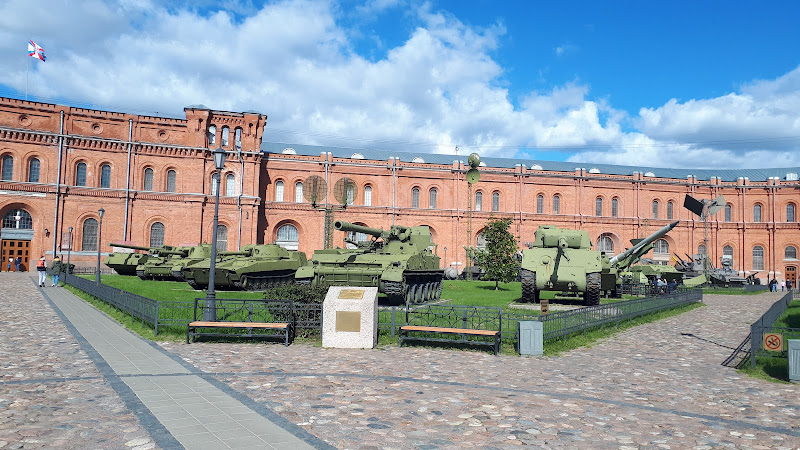
When planning your St. Petersburg travel guide or comparing verified attractions and museums in St. Petersburg, pair this stop with standout local spots including Military-Historical Museum of Artillery, Engineer and Signal Corps, Monument Geroicheskim Zashchitnikam Leningrada, Gosudarstvennyy Muzey Istorii Sankt-Peterburga, 1200 Chophouse, and Zoological Museum of the Zoological Institute of the Russian Academy of Sciences (nearby).