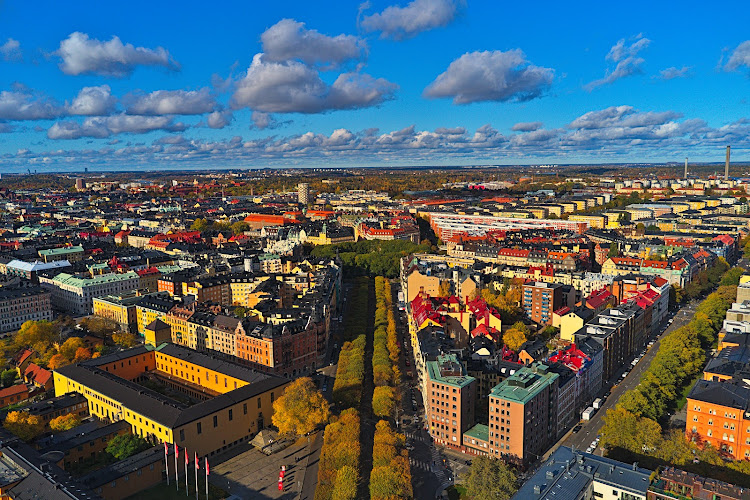
Museum of Natural History, officially Naturhistoriska riksmuseet, is Sweden’s national natural history museum at Frescativägen 40, 114 18 Stockholm, in Frescati beside Stockholm University. Founded in 1819, it explores evolution, geology, biodiversity, and humanity’s relationship with the planet. Travelers come for dinosaur fossils, Scandinavian wildlife, hands-on science displays, and the enormous dome-screen films at Cosmonova, all inside Axel Anderberg’s monumental brick museum building, completed in 1916.
What to Expect at Museum of Natural History
This is a working research institution as well as a public museum: its scientific collections encompass millions of biological and geological specimens. In Fossils and Evolution, skeletons and fossil evidence explain how life changed across geological time, including the rise and disappearance of dinosaurs. Nature in Sweden brings the country’s habitats and animals into focus, making it especially useful before a countryside trip. Start with these galleries while everyone’s attention is fresh, then choose geology or human biology rather than attempting every display at the same pace.
The Human Animal examines the body and the characteristics humans share with other species, while the mineral displays offer a different scale of discovery: crystalline structures, rocks, and meteorites. Climate-focused interpretation connects natural processes with environmental change. Cosmonova adds an immersive, scheduled film experience rather than another walk-through gallery. Between sections, the museum’s restaurant provides a seated break, and the shop carries nature-related books, toys, and souvenirs. Ask the information desk about guided activities and available English-language interpretation; school-holiday programming can change the day’s rhythm.
- Fossils and Evolution: Follow the history of life through fossil specimens, reconstructed animals, and explanations of extinction.
- Nature in Sweden: Examine native wildlife and habitats before exploring Stockholm’s surrounding forests and waterways.
- The Human Animal: Investigate anatomy, senses, and the evolutionary connections between people and other animals.
- Earth’s mineral treasures: Look closely at minerals, rocks, and meteorites rather than rushing past the smaller specimens.
- Cosmonova: Reserve a separate timed dome-film experience; titles, languages, and age recommendations vary by screening.
Museum of Natural History at a Glance
| Detail | Information |
|---|---|
| Address | Frescativägen 40, 114 18 Stockholm, Sweden |
| Neighborhood / Area | Frescati, Norra Djurgården; beside Stockholm University |
| Operating Hours | Monday closed; Tuesday–Friday 11am–5pm; Saturday–Sunday 10am–5pm. Holiday schedules may differ. |
| Admission / Price Range | Paid admission; $$ moderate sightseeing budget. Cosmonova has separate ticket options; check current categories online. |
| Recommended Visit Duration | 2–3 hours; allow additional time for Cosmonova and lunch. |
| Nearest Transit / Parking | Metro red line 14 to Universitetet, then approximately 10 minutes on foot; bus 50 to Naturhistoriska riksmuseet. Paid parking nearby. |
| Official Website & Phone | Naturhistoriska riksmuseet official website; +46 8 519 540 00 |
Visiting Tips, Getting There & Nearby Pairings
Arrive at opening on a weekday for a straightforward start, although school groups also visit then. Book Cosmonova ahead when a particular film or language matters, and organize your gallery route around its fixed screening time. From central Stockholm, take metro line 14 toward Mörby centrum and leave at Universitetet. Follow signs toward the museum rather than the university lecture buildings. Drivers should use the designated paid parking areas and check posted tariffs; public transport avoids searching for a space.
The museum provides step-free access, lifts between public floors, and accessible toilets, making its principal galleries workable for wheelchairs and strollers. Ask staff about Cosmonova seating arrangements before booking. Use cloakroom or locker facilities for outdoor layers and bags; check restrictions before bringing large luggage. Confirm photography rules at individual displays and screenings rather than assuming flash or filming is permitted. Afterward, walk roughly 10–15 minutes to Bergius Botanic Garden and the Edvard Anderson Conservatory; outdoor paths and greenhouse admission have their own conditions.
Frequently Asked Questions
What are the opening hours and best arrival time?
Regular hours are Tuesday–Friday 11am–5pm and weekends 10am–5pm, with Monday closure. Arrive at opening and check the official calendar for holiday changes, activities, and film times.
Is admission free, and should I book ahead?
General admission is paid; consult the official ticket page for current age categories and concessions. Reserve Cosmonova in advance if your visit depends on a specific screening, and check exactly what your ticket includes.
How long should I spend at the museum?
Budget two to three hours for several main exhibitions without rushing. A dome film, meal, and detailed reading can comfortably extend the visit to half a day.
Is it suitable for children and wheelchair users?
Animal specimens, fossils, and interactive science displays make this a strong family outing. Step-free access and lifts support wheelchair visits; check each Cosmonova film’s age guidance and seating arrangements separately.
When planning your Stockholm travel guide or browsing verified attractions in Stockholm, pair this stop with standout local spots including Aifur, Nobel Prize Museum, Hotel Frantz, member of WorldHotels Crafted, and Carl Eldhs Ateljémuseum (1.8 km away).