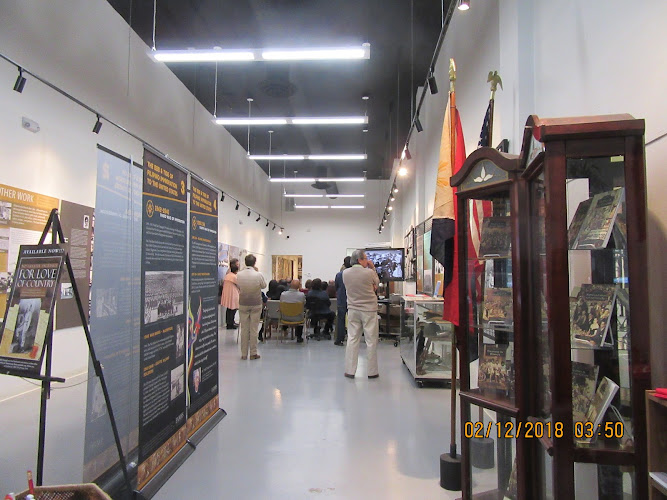
Filipino American National Historical Society Museum is a community-history museum at 337 E Weber Ave, Stockton, CA 95202, in downtown Stockton. Opened in 2015, it explores Filipino American migration, work, family life, and civic contributions in a city central to that history. Travelers come for the connection between personal stories and Stockton’s former Little Manila, once one of the country’s most important Filipino American neighborhoods.
What to Expect at Filipino American National Historical Society Museum
The museum belongs to the historical-preservation movement established by Dorothy Laigo Cordova and Fred Cordova, who founded FANHS in Seattle in 1982. Its community-centered displays use photographs, documents, and memorabilia to connect national history with individual lives. Rather than approaching the collection as a sequence of grand architectural galleries, give yourself time to read the captions and understand the families, organizations, and workplaces behind the objects.
Stockton provides essential context. Filipino migrants, particularly the early twentieth-century generation often called the manongs, worked in Central Valley agriculture while building businesses, social clubs, and support networks downtown. Their experiences also illuminate exclusionary housing practices and California’s former restrictions on interracial marriage. Start with migration history, then connect working life and community organizations to the surrounding streets. Ask whether a volunteer can explain Stockton-specific material; personal interpretation can add considerably to a self-guided visit.
- Community photographs: Look closely at faces, clothing, workplaces, and group portraits rather than treating photographs as background illustrations.
- Personal documents and memorabilia: Everyday records connect broad migration narratives with individual decisions, livelihoods, and family relationships.
- Manong-generation history: Explore the experiences of early Filipino migrants whose agricultural labor helped shape the Central Valley.
- Little Manila connections: Relate the museum’s Stockton story to the historic Filipino district around Lafayette and El Dorado streets.
- FANHS preservation work: Discover why collecting family photographs and recording community memories matters when buildings and businesses disappear.
Filipino American National Historical Society Museum at a Glance
| Detail | Information |
|---|---|
| Address | 337 E Weber Ave, Stockton, CA 95202 |
| Neighborhood / Area | Downtown Stockton; near the historic Little Manila district |
| Operating Hours | Telephone before traveling for current opening days and appointment arrangements. |
| Admission / Price Range | Budget-level visit ($); ask about current admission and suggested donations. |
| Recommended Visit Duration | 45 to 90 minutes |
| Nearest Transit / Parking | RTD Downtown Transit Center, 421 E Weber Ave; nearby street parking subject to posted restrictions |
| Official Website & Phone | FANHS official national website; +1 209-932-9037 for museum arrangements |
Visiting Tips, Getting There & Nearby Pairings
Call before making a special trip, particularly for a school group, family-history visit, or volunteer-led introduction. Arrange an arrival near the beginning of the available visiting period so there is time for questions. San Joaquin RTD’s Downtown Transit Center is a short walk east along Weber Avenue; Route 40 connects the downtown hub with the Pacific Avenue corridor. Drivers should check meter instructions and time limits before leaving the car. Downtown sidewalks provide the approach, but ask specifically about entrance thresholds, wheelchair circulation, accessible toilets, and seating before arrival.
Pair the museum with the Bob Hope Theatre, the ornate 1930 movie palace at 242 E Main Street, roughly five minutes away on foot; interior access depends on its event schedule. Continue toward Lafayette and El Dorado streets, about ten minutes from the museum, to place historic Little Manila geographically. Much of that district was lost to redevelopment and freeway construction, so this is a history walk rather than an intact heritage streetscape. Alternatively, walk approximately 15 minutes west to Weber Point Events Center for waterfront space and a change of pace.
Frequently Asked Questions
What are the opening hours and best time to visit?
Call +1 209-932-9037 for the current opening schedule and any appointment requirements. The best arrival is early in an agreed visiting window, especially if you want time to discuss family or Stockton history with a volunteer.
How much is admission, and should I reserve?
Ask the museum directly about admission charges, suggested donations, and group arrangements before traveling. Organize educational visits in advance rather than assuming a timed-ticket system or drop-in group access.
How long should I allow, and are tours available?
Allow 45 to 90 minutes for reading displays and asking questions, plus another hour for nearby downtown stops. Request volunteer interpretation in advance, and ask about audio guides rather than planning around their availability.
Is the museum suitable for families and accessible visits?
The subject matter suits families interested in migration and local history, particularly children comfortable with reading-based displays. Confirm step-free access and stroller space by phone; travel light, ask staff about photography and bag storage, and plan refreshments outside the museum rather than depending on an on-site café or shop.
When planning your Stockton travel guide or browsing verified museums in Stockton, pair this stop with standout local spots including Stockton Field Aviation Museum, Angelina's Spaghetti House, Cast Iron Trading Co., and FED (0.2 km away).