Editorial disclosure: This destinations.ai guide was prepared with AI assistance and checked against the official sources linked below. Accommodation and activity placeholders may use affiliate links; that does not change the planning advice.
Sunnyvale, California, is a practical Silicon Valley base where you can combine a compact downtown, bayfront trails, diverse dining, and easy access to Mountain View, Cupertino, San Jose, and San Francisco. It suits business travelers, families visiting the South Bay, and travelers who prefer a quieter overnight stop within reach of major Bay Area attractions.
Your best Sunnyvale trip pairs Murphy Avenue’s restaurants and local atmosphere with Baylands Park, a history stop, and one or two nearby Silicon Valley attractions. Plan on using a car or rideshare for broad exploration, while reserving downtown Sunnyvale for an easy walkable evening.
Key Takeaways
- Stay near Downtown Sunnyvale for dining and Caltrain access.
- Build outdoor time around Baylands Park and Stevens Creek Trail.
- Use Sunnyvale as a convenient base for Silicon Valley day trips.
Quick Answers and Trip Profile
Sunnyvale is worth two or three days when you want a relaxed Silicon Valley stay with parks, food, history, and nearby museums. You will find a suburban city in Santa Clara County, between Mountain View and Cupertino, about 40 miles south of San Francisco.
- Best for: Silicon Valley business trips, family visits, cyclists, food-focused weekends, and travelers adding South Bay stops to a wider Northern California itinerary.
- Best area to stay: Downtown Sunnyvale near Murphy Avenue and Sunnyvale Caltrain Station.
- Signature experiences: Sunnyvale Baylands Park, Murphy Avenue, Sunnyvale Heritage Park Museum, the Sunnyvale Farmers’ Market, and nearby tech and science museums.
- Ideal trip length: Two nights for Sunnyvale and nearby highlights; three nights if you add San Francisco, Santa Cruz, or Monterey.
- Getting around: A car offers the most flexibility, while Caltrain, VTA transit, walking, cycling, and rideshares cover selected trips.
You should treat Sunnyvale as a place to experience everyday Silicon Valley, not as a dense sightseeing city. Downtown offers the clearest visitor center of gravity, while the city’s parks, corporate campuses, and residential districts spread across a larger area.
Best Things to Do in Sunnyvale, California, United States
Sunnyvale’s strongest attractions combine local history, public spaces, and access to major South Bay experiences. Start with the places that reveal the city’s agricultural past and its present-day role in Silicon Valley.
- Walk Murphy Avenue. Downtown’s historic main street is your best choice for cafés, dinner, casual browsing, and a post-work glimpse of local life. Arrive before evening if you want easier parking, then stroll the blocks around the Sunnyvale Town Center area.
- Visit Sunnyvale Heritage Park Museum. The museum preserves local stories in a restored Victorian-style setting. Check the museum’s current opening schedule before setting out, since hours and programming can change.
- Browse the Sunnyvale Farmers’ Market. This is a strong Saturday-morning stop for regional produce, baked goods, and prepared food. Go early for the widest selection and combine it with breakfast on Murphy Avenue.
- Look for public art. Sunnyvale has artwork placed across civic spaces and neighborhoods. The One Thousand Suns installation offers a focused stop when you want to add art to a downtown walk.
- Explore nearby science and technology attractions. The Computer History Museum in Mountain View and NASA Ames Research Center near Moffett Field expand a Sunnyvale stay into a fuller Silicon Valley visit. Confirm public access policies before visiting NASA facilities.
- Plan a family outing at California’s Great America. The amusement park sits in neighboring Santa Clara, close enough for a full day from Sunnyvale. Check seasonal operating dates and ticket requirements through the California’s Great America visitor listing.
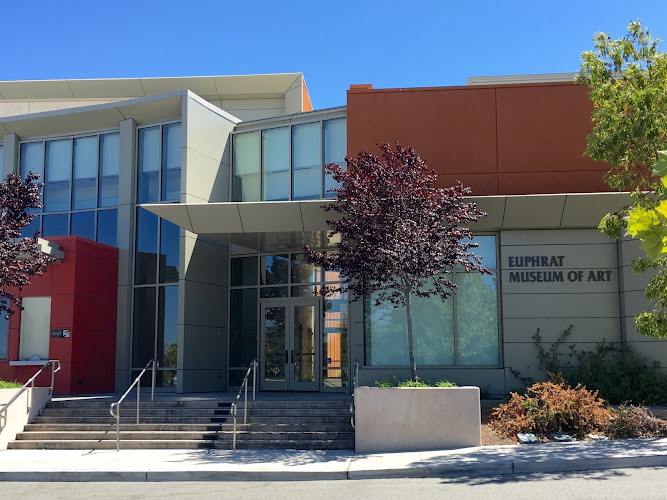
For an arts-focused detour, you can also look at the Euphrat Museum of Art in Cupertino. Pair it with a meal along El Camino Real or a stop at nearby shopping districts.
History, Culture, and Local Character
Sunnyvale gives you a clear view of how an orchard community became a central Silicon Valley city. The city incorporated on December 24, 1912, and its history includes fruit-growing, rail connections, aerospace work, and technology industry growth.
You will notice that contrast in the built environment. Historic Murphy Avenue retains a small-scale commercial feel, while office campuses, apartment developments, and wide arterial roads reflect the region’s technology economy.
Start with Sunnyvale Heritage Park Museum if local history is a priority, then seek out the Libby Water Tower near downtown. The tower is a recognizable remnant of the Libby cannery era, when fruit processing shaped the local economy.
For a wider regional perspective, include the California History Center in nearby Cupertino if its public schedule aligns with your visit. You will get more from these stops by viewing them as part of Santa Clara Valley’s shift from agricultural land to a global technology hub.
Sunnyvale’s contemporary culture also shows up at the table. Vietnamese, Indian, Mexican, Chinese, Korean, Japanese, and Californian cooking are well represented around El Camino Real and downtown. Choose independent restaurants with current menus and recent operating information, since the dining landscape changes quickly.
Neighborhoods, Parks, and Outdoor Activities
Downtown Sunnyvale is your most visitor-friendly neighborhood, while Baylands Park provides the city’s broadest outdoor escape. You’ll get the best balance by spending one evening downtown and one morning near the bay.
Downtown Sunnyvale centers on Murphy Avenue, civic buildings, restaurants, and Sunnyvale Caltrain Station. Its short blocks reward unhurried walking, particularly around dinner time. Choose this area if you value transit access and want restaurants close to your hotel.
Sunnyvale Baylands Park is the main destination for wetland views, birdwatching, paved paths, picnics, and cycling. Bring water, sun protection, and a wind layer, as the bayshore feels cooler than inland streets.
The city maintains 772 acres of parks and open space, with playgrounds, picnic areas, and sports facilities distributed through its neighborhoods, as detailed on the City of Sunnyvale parks and trails page.
Las Palmas Park works well for families seeking playground time, lawns, and a low-key afternoon. Ortega Park, Washington Park, and Serra Park offer additional neighborhood options when you are staying outside downtown.
For a longer ride or walk, use access points to Stevens Creek Trail and connected Bay Trail segments. Keep to marked routes, yield carefully around pedestrians, and check conditions after rainy weather.
Where to Stay and What to Eat
Downtown Sunnyvale is the best place to stay when you want walkable meals and rail access, while the Moffett Field and El Camino Real corridors suit business-oriented stays. Sunnyvale lodging serves a strong weekday corporate market, so booking early helps when major conferences, concerts, or campus events are underway.
- Downtown Sunnyvale: Choose this area for Murphy Avenue restaurants, a compact evening scene, and proximity to Caltrain.
- Moffett Field and North Sunnyvale: This area suits visits connected to Mountain View, aerospace sites, and northern Silicon Valley offices.
- El Camino Real: You’ll find convenient access to restaurants and nearby cities, though a car or rideshare improves the experience.
- Sunnyvale-Cupertino border: This location works well for Cupertino meetings, Apple-related visits, and access to west-side dining.
If you want a named hotel option near business districts, review current availability at the Hilton Garden Inn Sunnyvale or the Domain Hotel Sunnyvale. Compare cancellation terms, parking charges, breakfast policies, and the distance to your daily destination before booking.
For food, reserve Murphy Avenue for dinner and use El Camino Real for the city’s broadest range of casual international restaurants. Seek Vietnamese pho, Indian regional cooking, Mexican taquerias, Korean barbecue, Japanese ramen, and Taiwanese snacks. You’ll find the strongest value at lunch, through counter service, and at the farmers’ market.
For a special-occasion meal or a busy Friday dinner, book ahead. For weekday business lunches, check operating hours before leaving your hotel, since many restaurants adjust schedules between lunch and dinner.
How to Get There and Get Around
San José Mineta International Airport is the closest major airport for Sunnyvale, and Sunnyvale Caltrain Station anchors the most useful rail connection. You can reach the city by rental car, rideshare, regional bus, or train, depending on your starting point.
From San José Mineta International Airport, use a rental car or rideshare for the shortest straightforward transfer. San Francisco International Airport also works well if you’re combining Sunnyvale with San Francisco; allow extra time for Bay Area traffic or a rail transfer.
Caltrain links Sunnyvale with San Francisco, Palo Alto, Mountain View, Santa Clara, and San José. Check live schedules, station access, fares, and service notices before travel because express patterns and weekend service vary.
VTA buses and light rail extend your reach across Santa Clara County, while trip-planning tools provide current Sunnyvale public transit directions.
A rental car is the most efficient choice for Baylands Park, Cupertino, Santa Clara attractions, Santa Cruz, and evening plans outside downtown. Keep parking rules in mind around private campuses and residential streets.
Within downtown, walk between your hotel, Murphy Avenue, the station, and nearby civic spaces. Cycling works well on flatter routes, though you should use lights after dark and remain alert at wide intersections. Rideshare is useful after dinner or when you want to avoid parking near busy areas.
Best Time to Visit and Seasonal Planning
September through November gives you Sunnyvale’s most comfortable mix of dry weather, clear days, and manageable outdoor temperatures. Spring also supports park walks and regional sightseeing, with more variable rain early in the season.
Sunnyvale has a warm-summer Mediterranean climate. Summer days are dry and warm, while mornings near the bay can begin cool or foggy. Pack layers for Baylands Park, especially if you plan to cycle or watch birds near the shoreline.
- Spring, March through May: Mild afternoons, green parks, and occasional rain. Carry a light waterproof layer.
- Summer, June through August: Dry, sunny conditions for trails, downtown dining, and day trips. Book hotels early around major Bay Area events.
- Fall, September through November: Strong conditions for walking, cycling, and combining Sunnyvale with coastal trips.
- Winter, December through February: Cooler and wetter, with quieter parks and useful access to museums, restaurants, and indoor activities.
For a weather-focused planning benchmark, January has reported average highs of 15°C (59°F), lows of 5°C (41°F), and 83 mm of rain in one current climate guide, while summer temperatures reach about 30°C (86°F) during warmer periods. Check the latest Sunnyvale climate and trip-planning overview alongside the forecast a few days before departure.
A Practical Two- or Three-Day Itinerary
A two-day Sunnyvale itinerary works best when you group downtown and local history together, then devote the second day to parks and nearby Silicon Valley attractions. Add a third day for the coast, San Francisco, or a deeper South Bay visit.
- Day 1: Downtown and local history. Start at the Sunnyvale Farmers’ Market if your visit falls on market day. Walk Murphy Avenue, visit Sunnyvale Heritage Park Museum during its published hours, look for the Libby Water Tower, and stay downtown for dinner.
- Day 2: Baylands and Silicon Valley. Spend the morning at Sunnyvale Baylands Park for a walk, birdwatching, or bicycle ride. In the afternoon, visit the Computer History Museum in Mountain View or continue to Santa Clara for the 49ers Museum or California’s Great America, depending on your interests.
- Day 3: Choose a regional day trip. Take Caltrain to San Francisco for waterfront neighborhoods and museums, drive to Santa Cruz for beaches and the Boardwalk, or head to Half Moon Bay for coastal trails. Monterey requires a longer drive and suits an early departure.
If you have only two days and are traveling without a car, prioritize Downtown Sunnyvale, Caltrain-accessible Mountain View, and a rideshare trip to Baylands Park. Keep museum reservations, attraction tickets, and restaurant bookings grouped by area so you don’t spend the day crossing the valley.
For sports fans, the 49ers Museum at Levi’s Stadium provides an easy third-day alternative in Santa Clara. Verify game-day conditions, museum hours, and stadium-area transportation before you go.
Costs, Safety, Accessibility, and Reservations
Sunnyvale is an expensive destination by United States standards, with lodging forming the largest part of most travel budgets. One current cost estimate places daily travel spending at $180 to $300, though your total can change sharply with hotel dates, dining choices, car rental, and day trips.
You can reduce costs by staying near transit, using Caltrain for San Francisco or San José trips, choosing lunch specials, and spending time in public parks. A current travel-cost guide lists solo overnight lodging from $50 for a hostel to $233 for a luxury hotel, showing the wide range you may encounter across the market.
Sunnyvale has a reputation as a safe South Bay base, but you should still use standard city precautions. Keep bags, laptops, and shopping items out of sight in parked vehicles, use well-lit routes after dark, and follow posted parking and trail rules.
Accessibility varies by site. Downtown sidewalks and major public facilities provide the easiest mobility access, while trail surfaces, restrooms, parking, museum entrances, and seating differ by location.
Contact each attraction directly about wheelchair access, service animals, sensory needs, companion policies, and accessible parking.
Reserve hotels early for weekday business travel and busy regional weekends. You should also check timed entry for museums, seasonal tickets for California’s Great America, event admission, and popular dinner reservations.
Public park access is often more flexible, though picnic areas or group facilities may require advance permits.
Sources and Current Planning Links
These current planning links help you confirm details that change, including park facilities, transit schedules, lodging availability, ticketing, and attraction hours. Check them close to departure, especially during holiday periods and major Bay Area events.
- City of Sunnyvale recreation and community information for parks, programs, facilities, and local services.
- Sunnyvale destination information for a broad local attraction and lodging overview.
- Current Sunnyvale attraction listings for recent traveler reviews and activity ideas.
- Airport-to-Sunnyvale transport options for comparing arrival routes.
- Sunnyvale park and trail information for park-specific rules and amenities.
Frequently Asked Questions
Sunnyvale works best as a Silicon Valley base with a compact downtown, strong dining options, public parks, and quick access to neighboring cities. Your experience will be smoother when you choose your hotel location around the places you plan to visit most.
Is Sunnyvale, California, worth visiting?
Sunnyvale is worth visiting if you want a quieter Silicon Valley stay with good restaurants, parks, local history, and easy regional connections. You’ll get the most from it by combining local stops with Mountain View, Cupertino, Santa Clara, San José, or a coastal day trip.
Is Sunnyvale walkable for visitors?
Downtown Sunnyvale is walkable for visitors, especially around Murphy Avenue, Sunnyvale Caltrain Station, restaurants, and civic spaces. You’ll need a car, rideshare, bike, or transit for Baylands Park, most corporate areas, and destinations farther along El Camino Real.
What can families do in Sunnyvale?
Families can spend time at Sunnyvale Baylands Park, Las Palmas Park, neighborhood playgrounds, the Sunnyvale Heritage Park Museum, and the Sunnyvale Farmers’ Market. For a full-day outing, California’s Great America and the 49ers Museum in Santa Clara add rides, exhibits, and larger-scale entertainment.
What day trips can you take from Sunnyvale?
You can take day trips from Sunnyvale to San Francisco, Santa Cruz, Half Moon Bay, Monterey, San José, and Palo Alto. Caltrain is useful for San Francisco and Peninsula cities, while a car gives you the easiest access to beaches, redwood areas, and Monterey Bay.
Is Cupertino better than Sunnyvale for an overnight stay?
Sunnyvale is the better choice for an overnight stay if you want Caltrain access, a more concentrated downtown dining scene, or quicker connections to Mountain View and northern Silicon Valley. Cupertino makes more sense when your plans revolve around Apple Park, west-side Silicon Valley offices, or the city’s dining and shopping areas.
Affiliate placeholder: Compare accommodation options after checking the official property details, location, and cancellation terms.
Affiliate placeholder: Check current activity availability, meeting points, accessibility, and cancellation terms before reserving.