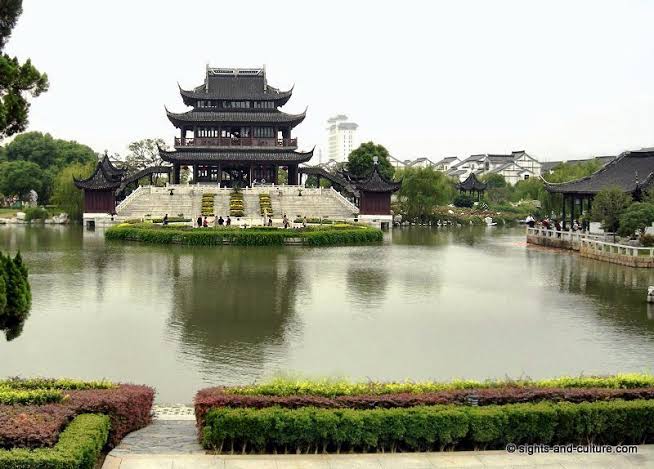
Garden of Cultivation (Yipu) is a compact Ming-dynasty scholar’s garden at 5 Wenya Nong, Pingjiang District, Suzhou, Jiangsu 215003, a short walk from the city’s old canals and lanes. First laid out in 1541 by the Ming official Yuan Zugeng and later associated with the connoisseur Wen Zhenheng, it is part of UNESCO’s Classical Gardens of Suzhou ensemble. Travelers come for its intimate lotus pond, carefully staged pavilions and rare sense of a private scholar’s retreat within the old city.
What to Expect at Garden of Cultivation
Unlike Suzhou’s larger, more theatrical gardens, Yipu reveals itself gradually. A modest lane entrance leads through the former residence before opening to the main water garden: a rectangular pond edged by covered corridors, planted banks and stone terraces. The composition makes the garden feel larger than its roughly 0.33-hectare footprint, using framed doorways, borrowed views and the contrast between open water and the rocky hill at the northwest corner.
The garden’s name refers to cultivation in both the agricultural and scholarly sense, and its architecture suits that quiet purpose. Look for the Hall of Cultivation, the main hall facing the garden; waterside pavilions designed for viewing lotus leaves in summer; and the zigzagging circulation that constantly resets the view across the pond. Tea is part of the traditional garden experience, and the site’s teahouse setting is best appreciated as a calm pause rather than a hurried sightseeing stop. Yipu joined the UNESCO-listed Classical Gardens of Suzhou in the 2000 extension, recognizing its exceptionally complete late-Ming garden design.
- Lotus Pond: The garden’s central sheet of water is ringed by halls and corridors; visit in summer for lotus leaves and blossoms.
- Hall of Cultivation: The principal residential hall anchors the southern approach and illustrates the linked home-and-garden layout of a scholar’s estate.
- Northwest Rockery: A compact artificial hill creates elevation, shade and an illusion of deep landscape in a small urban plot.
- Waterfront Pavilions: Open-sided structures and viewing platforms frame changing reflections, rain and seasonal planting around the pond.
- Ming Garden Design: Winding paths, moon-gate-like openings and covered walkways turn each short walk into a sequence of composed views.
Garden of Cultivation at a Glance
| Detail | Information |
|---|---|
| Address | 5 Wenya Nong, Pingjiang District, Suzhou, Jiangsu 215003, China |
| Neighborhood / Area | Pingjiang District, in Suzhou’s historic inner city |
| Operating Hours | Generally daily, 7:30am–5:30pm in warmer months and 7:30am–4:30pm in winter; confirm at the gate before making a special trip. |
| Admission / Price Range | Paid entry; typically ¥10 per adult, making it a $ attraction. |
| Recommended Visit Duration | 45 to 75 minutes; allow longer if stopping for tea or sketching. |
| Nearest Transit / Parking | Beisita Station on Metro Line 4 is about a 15-minute walk; use central Suzhou public parking rather than expecting parking in Wenya Nong. |
| Official Website & Phone | Suzhou Municipal Government · +86 512 6727 1614 |
Visiting Tips, Getting There & Nearby Pairings
Arrive shortly after opening for the clearest views across the pond and a more contemplative walk before tour groups reach the old city. Yipu is small, so a timed route works well: enter through the residential courts, circle the pond slowly, then finish at the rockery and waterside pavilions. Buy entry at the gate and carry cash or a Chinese mobile-payment option. Handheld photography is ideal; avoid obstructing the narrow paths and keep voices low around tea drinkers and seated visitors.
From Beisita on Metro Line 4, walk south through the historic quarter; taxis can drop visitors near Wenya Nong, but cars cannot easily negotiate the lane network. There is no practical on-site parking. This is a historic garden with uneven stone paving, narrow turns, thresholds and steps around the rockery, so wheelchair users and visitors with strollers should expect limited independent circulation and ask staff about the most level route. Pair a visit with the Beisi Pagoda and Bao’en Temple precinct, about 15 minutes on foot, or stroll southeast toward Pingjiang Road’s canal-side houses, cafés and small shops.
Frequently Asked Questions
When is Garden of Cultivation open, and what is the best time to go?
The garden generally opens daily from 7:30am, closing around 5:30pm in warmer months and 4:30pm in winter. Morning is the best time for quieter paths, softer light on the pond and fewer organized groups; check seasonal hours at the entrance.
How much does admission cost, and do I need a reservation?
Admission is typically ¥10 per adult, placing Yipu among Suzhou’s most affordable classical gardens. Individual visitors usually purchase tickets at the gate rather than reserving, though groups should call +86 512 6727 1614 ahead.
How long should I spend at Garden of Cultivation?
Budget 45 to 75 minutes for a complete circuit, photo stops and time to study the pond-and-rockery composition. Allow up to 90 minutes if you plan to enjoy tea, draw, or visit at an unhurried pace before continuing to Pingjiang Road.
Is the garden suitable for families and wheelchair users?
Families will find it manageable for a short, quiet cultural visit, though there is no playground and children should be watched closely beside water and stone edges. The historic layout includes uneven paving, tight passages and steps, making full wheelchair or stroller access difficult; the lower entrance and pond-side sections are the most straightforward areas.
When planning your Suzhou travel guide or comparing verified attractions and attraction in Suzhou, pair this stop with standout local spots including Classical Gardens of Suzhou, Fairmont Yangcheng Lake Resort, Le Méridien Suzhou, Suzhou Bay, and Tongdexing (1.3 km away).