Tiger Hill Pagoda is a seven-story, octagonal brick tower crowning Tiger Hill at 8 Huqiu Shanmen Nei, Gusu District, Suzhou, China. Also called Yunyan Temple Pagoda, it was built in 959–961, spanning the late Five Dynasties and early Northern Song periods. Travelers come for its unmistakable lean, early Chinese Buddhist architecture, and the surrounding hill’s rock-cut inscriptions, gardens, and legends. The pagoda is viewed from outside: its upper floors are not open for panoramic sightseeing.
What to Expect at Tiger Hill Pagoda
The approximately 47.7-meter tower dominates a hill only about 36 meters high. Its seven receding stories, octagonal plan, and brickwork imitating timber construction reward a slow circuit around the base. Uneven foundations produced the famous tilt; conservation work has stabilized the structure without straightening it. Look for the contrast between projecting masonry details and the missing timber elements that once completed its exterior. The experience is architectural rather than an indoor museum visit.
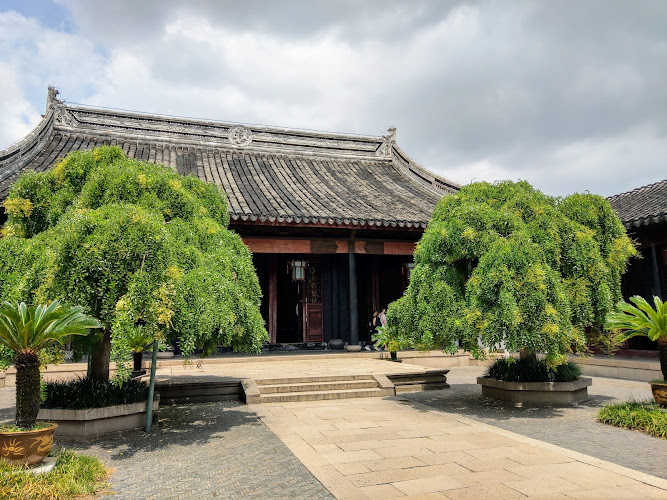
Below the summit, Tiger Hill combines Buddhist history with traditions surrounding King Helü of Wu, who died in 496 BCE. Legend places his burial beneath the hill and describes a white tiger appearing afterward. Sword Pool occupies a narrow, dramatic cleft associated with his burial swords, while Thousand People Rock forms a broad gathering space nearby. The Yuan-period Broken Beam Hall illustrates ingenious timber construction. Finish with the miniature landscapes and carefully trained trees at Wanjing Villa’s bonsai garden.
- Leaning Yunyan Pagoda: Walk around the exterior to compare its silhouette from different angles.
- Sword Pool: Stone walls, water, and calligraphy create the hill’s most atmospheric historic setting.
- Thousand People Rock: A broad rock platform linked to Buddhist preaching and local storytelling.
- Broken Beam Hall: A surviving Yuan-dynasty hall distinguished by its unusual timber framing.
- Wanjing Villa: Bonsai displays introduce Suzhou’s tradition of shaping trees and miniature landscapes.
Tiger Hill Pagoda at a Glance
| Detail | Information |
|---|---|
| Address | 8 Huqiu Shanmen Nei, Gusu District, Suzhou, Jiangsu, China |
| Neighborhood / Area | Tiger Hill, northwest of Suzhou’s historic center |
| Operating Hours | Generally daily, 7:30 a.m.–5:30 p.m.; check seasonal closing and last-entry times |
| Admission / Price Range | Paid scenic-area admission; $$; check official seasonal rates and concessions |
| Recommended Visit Duration | 2 to 3 hours |
| Nearest Transit / Parking | Suzhou Metro Line 6, Huqiushan station; paid parking near the scenic-area entrances |
| Official Website & Phone | Tiger Hill official website; +86 512 65323488 |
Visiting Tips, Getting There & Nearby Pairings
Arrive near opening for cooler climbing conditions and clearer photographs around the pagoda. Spring flowers and autumn foliage make rewarding settings, while summer humidity makes water and shaded breaks important. Reserve scenic-area admission ahead for Chinese public holidays and busy weekends, carrying the passport used for booking. From Huqiushan station on Metro Line 6, follow pedestrian signs toward the appropriate entrance rather than assuming the station exit is the gate. Drivers should use designated paid visitor parking; approach roads become congested during holiday peaks.
From the south entrance, work uphill through the historic sights before circling the pagoda and descending toward the gardens. Stone steps, uneven paving, and sloping paths make the summit circuit challenging for wheelchairs and strollers; there is no public elevator or climb inside the tower. Visitors with limited mobility should discuss a lower-level route with staff. Outside the southern approach, Haiyong Bridge and the northern end of Shantang Street make easy additions within roughly 5–15 minutes. This quieter canal-side stretch is not the busy southeastern Shantang shopping quarter, which lies considerably farther away.
Frequently Asked Questions
What are the opening hours and best arrival time?
The scenic area generally opens at 7:30 a.m. and closes around 5:30 p.m., with seasonal adjustments. Arrive early and confirm last admission before planning a late-afternoon visit.
Is admission free, and should I reserve?
Tiger Hill charges scenic-area admission; the pagoda is an exterior sight within that visit. Check the official website for current seasonal prices, concession requirements, and advance booking arrangements, particularly during national holidays.
How long should I spend at Tiger Hill?
Allow two to three hours for the pagoda, Sword Pool, historic halls, and bonsai garden. A brisk tower-focused visit takes less time, but misses much of the landscape that explains the site’s importance.
Can children and wheelchair users visit?
Children can enjoy the gardens and outdoor spaces, but need supervision beside steps and water. Wheelchair users face significant obstacles on the hill; arrange an entrance-specific route with staff rather than expecting a step-free summit circuit.
When planning your Suzhou travel guide or browsing verified attractions in Suzhou, pair this stop with standout local spots including InterContinental Suzhou, Suzhou Marriott Hotel, Tongdexing, and Garden of Cultivation (3.7 km away).