The Suzhou Wuzhong Taihu Tourist Zone is the stretch of Taihu Lake shoreline, peninsula and islands that falls inside Wuzhong District, the part of Suzhou that faces China’s third-largest freshwater lake. It is a district-scale zone rather than a single gated park. Lakeside promenades, hill paths, orchard villages, ancient hamlets, caves, temples and boat piers sit side by side. Our listing points to the Xiangshan area, but visitors will meet the zone through several different doors, including Xishan (Xishan Island), Dongshan, Manshan Island and the lakefront near Xiangshan.
What sets it apart from Suzhou’s famous walled gardens is scale and air. Where the Humble Administrator’s Garden is a composed miniature, Taihu gives you open horizon, reed edges, bird flocks, tea and loquat slopes, and villages that grew up around the water. Lakefront access is free and open, while individual sites, caves and boat services each charge their own tickets. Expect a day of moving between pockets rather than one continuous attraction. The rating here rests on only a handful of reviews, so treat it as a broad impression rather than a verdict.
Standout Highlights & What Not to Miss
The zone rewards picking two or three focal points instead of chasing everything. These are the ones that come up most consistently in visitor accounts:
- Lakeside boardwalks and the Taihu Lake Bridge: the open shoreline is the main draw, and the bridge area is the usual choice for sunset light across the water.
- Xishan Island: a lake island linked by road, known for Linwu Cave, the Piaomiao Peak hill walk and views back over the lake. Shigong Mountain is favored for sunrise photography.
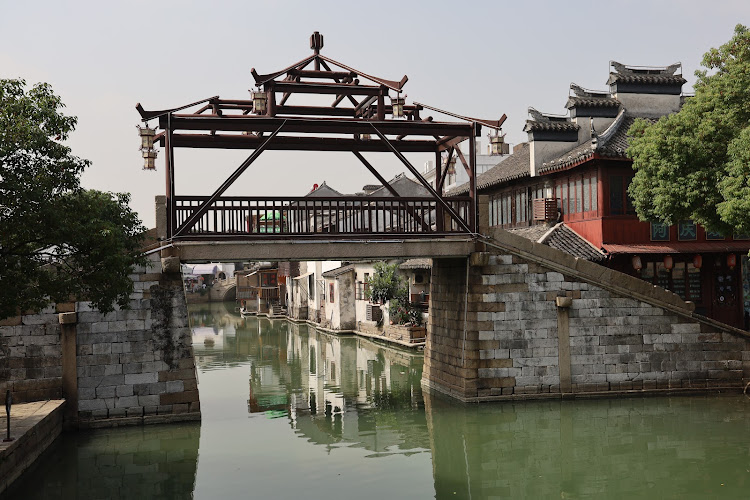
- Mingyue Bay Ancient Village: a preserved waterside village with an old pier, ancestral halls and lanes lined with small eateries, good for a slow lunch.
- Manshan Island: reached by a short boat trip, with a small red and white lighthouse at the east pier, wide lake views and a bird-themed library that suits families and birdwatchers.
- Taihu Lake National Wetland Park: reed beds, walking loops and wildlife-focused activities, a calmer option than the hill sites.
- Lake food: freshwater fish, whitebait, water chestnuts and, in autumn, hairy crab. A lakeside meal in a village restaurant is an easy way to taste the place.
Visitor Strategy & Planning Snapshot
| Planning Factor | What to Expect | Practical Strategy |
|---|---|---|
| Ideal Arrival Window | Early morning gives soft light, cooler air and thin crowds on weekends and holidays. | Arrive by 8:00-9:00 for hill and island sites; save the lakefront for late afternoon sunset. |
| Typical Time Needed | A single focused area takes 2-4 hours; combining islands and villages fills a full day. | Choose one base area (Xishan or Dongshan) and add a second only if you have a car or driver. |
| Booking / Queue Reality | Lakefront walking is free; caves, heritage sites and boats have separate tickets and can queue in peak periods. | Buy tickets through the usual Chinese booking apps ahead of weekends; carry your passport for ID checks. |
| Terrain & Accessibility | Promenades are mostly flat, while hill paths, caves and island piers involve steps and slopes. A wheelchair accessible restroom is listed for this zone. | Stay on the lakefront routes if mobility is limited, and confirm access at each ticketed site separately. |
| Weather / Seasonal Fit | Spring brings blossom and tea season, autumn brings crab and clear air, summer is hot and humid, and winter is quiet and damp. | Aim for March-May or October-November; carry a light jacket and rain cover for lake wind. |
Honest Trade-Offs: Best For vs. Who Might Skip
This zone suits travelers who want a break from Suzhou’s canal-and-garden circuit: cyclists, photographers, families with children who need space, birdwatchers, and anyone who likes eating by the water. It also works well as a two-day stay in a lakeside homestay, with evenings far quieter than the city center.
Skip it, or shrink it to a short stop, if you have only one day in Suzhou and your priority is classical gardens. Distances between sites are real, public transport to the islands is slower than in the city, and a mix of separate tickets can add up. Hazy or rainy days flatten the views, and holiday weekends bring heavy traffic on the access roads. Because the zone is so spread out, the listing address alone will not tell you which part you are reaching, so confirm your exact destination in a map app before setting out.
Neighborhood Context & How to Pair Your Visit
Wuzhong District sits southwest of Suzhou’s old center, roughly half an hour or more by car depending on traffic. A sensible half-day runs like this: start at a hill or island viewpoint in the morning, take lunch in Mingyue Bay Ancient Village, then spend the afternoon on a lakeside promenade or at the wetland park, finishing with sunset by the water. If you have a second day, add the Sanshan Island boat trip or the town of Guangfu with its temple and plum-garden area, particularly in blossom season. Back in the city, the evening is a good moment for a garden stroll or a canal-side dinner to balance the open lake with Suzhou’s more intimate side.
When planning your Suzhou travel guide or browsing verified attractions in Suzhou, pair this stop with standout local spots including M Social Hotel Suzhou, Haofuji, Tiger Hill Pagoda, and Suzhou Museum West Hall (11.9 km away).