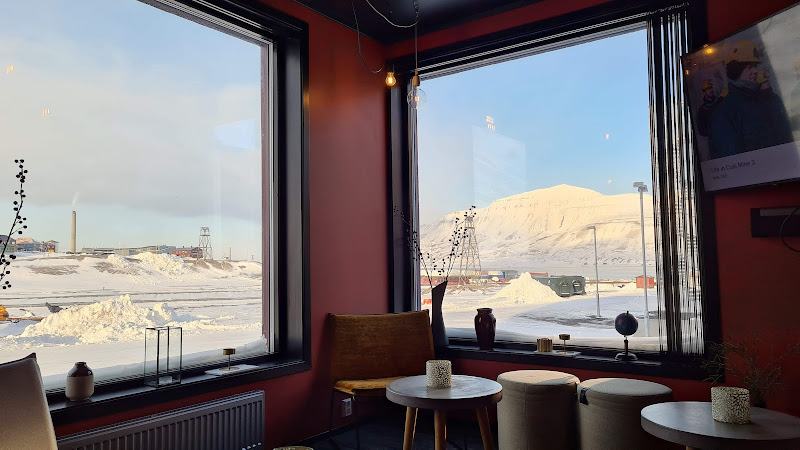
Svalbard Tourist Information (Visit Svalbard) is the official Arctic visitor portal and expedition coordination center in Longyearbyen, situated at 78 degrees north. Located on the main pedestrian thoroughfare of Longyearbyen, the center provides mandatory polar safety briefings, licensed guide reservations, snowmobile permits, and real-time glacier conditions across the Spitsbergen archipelago.
At A Glance: Essential Visit Svalbard Details
| Logistical Factor | Official Information & Explorer Guidance |
|---|---|
| Location & Address | Vei 221.1, Postboks 323, 9171 Longyearbyen, Spitsbergen, Svalbard, Norway |
| Operating Hours | Monday–Friday: 10:00 AM – 4:00 PM; Summer (June–August): 9:00 AM – 6:00 PM daily |
| Admission Fee | Free walk-in consultation; Guided activities from 950 NOK to 4,500+ NOK ($90–$420 USD) |
| Primary Functions | Activity booking, glacier route advice, wildlife safety rules, weapon safety guidance |
| Emergency Contact | +47 79 02 55 50 | Governor of Svalbard (Sysselmesteren): +47 79 02 43 00 |
| Best Seasons | Midnight Sun (May–August) & Polar Night / Northern Lights (October–February) |
The Role of Visit Svalbard in Arctic Exploration
Traveling to Svalbard is unlike any traditional European holiday. Positioned halfway between mainland Norway and the North Pole, the Svalbard archipelago is an extreme wilderness where polar bears outnumber permanent human residents. The Visit Svalbard headquarters serves as the mandatory navigational and logistical nexus for every independent traveler, scientific researcher, and adventure photographer stepping foot onto the high Arctic tundra.
Housed in a warm timber-clad complex in central Longyearbyen, the center connects travelers with over 70 certified local activity operators. Whether you intend to navigate the frozen fjords by snowmobile, embark on a dog sledding expedition through Bolterdalen, or board an ice-strengthened catamaran to the Russian mining settlement of Barentsburg, all certified bookings and safety standards filter through this office.
Polar Bear Safety Regulations & Wilderness Governance
The most critical mandate of the Svalbard Tourist Information office is wilderness risk mitigation. Under local regulations administered by the Governor of Svalbard (Sysselmesteren), leaving the designated safe zone of Longyearbyen requires carrying adequate polar bear protection, including high-powered rifles (minimum caliber .30-06) and flare guns.
- The Longyearbyen Safety Zone: Visitors can freely walk within the town perimeter without weapons. However, the exact boundaries—marked by the famous polar bear traffic warning signs—must never be crossed on foot without certified armed guides or proper firearms licensing.
- Weapon Rental Permits: Travelers seeking to rent firearms for independent trekking must obtain prior approval from the Governor’s office, submitting a clean criminal record check at least four weeks before arrival. Visit Svalbard staff assist in verifying certified outfitters who provide guided security for those without firearms certification.
- Tundra Environmental Protection: Motorized vehicles are strictly regulated under the Svalbard Environmental Protection Act. Snowmobiles must adhere to designated routes across frozen sea ice and inland valleys, with total avoidance of bird sanctuaries and reindeer grazing grounds.
Seasonal Expeditions & Activity Bookings
Svalbard operates across three distinct climatic seasons, each dictating a completely different set of logistics and excursions coordinated by the tourist center:
1. Polar Night (October to February): The sun remains at least 6 degrees below the horizon for months, plunging Longyearbyen into 24-hour total darkness. Excursions during this period center on aurora borealis hunting via electric snowmobiles, snowcat dining trips to the Adventdalen ice caves, and dark-season dog sledding under star-filled skies.
2. Sunny Winter (March to May): As the sun re-emerges, bright daylight reflects off deep snowpacks. This is peak expedition season. Travelers book long-distance snowmobile traverses to the East Coast to observe polar bears hunting on sea ice, ski tours across glaciers, and ice caving inside the Longyearbreen glacier tunnels.
3. Polar Summer (June to August): The midnight sun illuminates the archipelago around the clock. The snow recedes along the coastlines, opening navigable waters for hybrid-electric fjord cruises to the towering blue front of Nordenskiöldbreen, bird cliff explorations at Fuglefjella, and historic ghost-town tours of Pyramiden.
Recommended 3-Day Svalbard Discovery Itinerary
To maximize safety, cultural insight, and raw wilderness encounters, follow this tested 3-day itinerary coordinated directly through the visitor center:
Day 1: Arrival & Town Orientation. Land at Longyearbyen Airport (LYR) and take the airport shuttle into town. Visit Svalbard Tourist Information to register, pick up topographic maps, and reconfirm excursion weather forecasts. Tour the world-class Svalbard Museum and North Pole Expedition Museum to understand coal mining heritage and early aviation polar attempts. Dine on Arctic char and reindeer tenderloin at Restaurant Kroa.
Day 2: Deep Wilderness Expedition. In winter or spring, gear up in thermal suits for an 8-hour guided snowmobile safari to the East Coast (Storfjorden) or Tempelfjorden to view frozen tidewater glaciers and spot seals resting on ice floes. In summer, board an electric hybrid catamaran for an all-day maritime cruise across Isfjorden to the abandoned Soviet coal-mining settlement of Pyramiden, observing minke whales and puffins along the route.
Day 3: Tundra Trekking & Dog Sledding. Travel to Adventdalen for an exhilarating mushing session with Alaskan huskies over frozen valleys or tundra gravel carts in summer. Visit the historic Mine 3 for a subterranean coal miner tour beneath Platåberget. Conclude your journey with craft Arctic ales at Svalbard Bryggeri, the northernmost commercial craft brewery in the world.
Essential Polar Packing & Cold Weather Layering
Sub-zero Arctic winds and sudden blizzards can drop effective windchill temperatures below -35°C (-31°F). The tourist center reinforces the Norwegian three-layer principle:
- Base Layer: 100% merino wool thermal top and long bottoms (minimum 200–250 g/m²). Avoid cotton entirely, as moisture retention causes rapid hypothermia.
- Mid Layer: Thick wool sweater, polar fleece jacket, or lightweight down vest to trap body warmth.
- Outer Layer: Windproof, waterproof Gore-Tex mountain shell jacket and trousers. Tour operators provide heavy-duty outer snowmobile immersion suits and specialized insulated boots.
- Extremities: Windproof mittens with wool liner gloves, balaclava, wool beanie, polarized UV sunglasses (critical against snow blindness in spring), and hand/foot warmers.
Frequently Asked Questions About Visit Svalbard
Do I need a visa or passport to travel to Svalbard?
Yes. While Svalbard is visa-free under the Svalbard Treaty, all visitors must pass through Norwegian border control in Oslo or Tromsø before boarding Svalbard flights. Non-EU/EEA passport holders must hold a double-entry Schengen visa to return to mainland Norway.
Can I explore the mountains around Longyearbyen alone?
No. Venturing beyond the town limits without firearms and pyrotechnic deterrents is strictly against safety advice and puts you at risk of lethal polar bear encounters. Always hire certified local guides through Visit Svalbard.
What currency is used in Longyearbyen?
The Norwegian Krone (NOK) is the official currency. Svalbard is virtually 100% cashless; all hotels, restaurants, activity providers, and taxi companies accept Visa, Mastercard, and mobile payments.