Editorial disclosure: This destinations.ai guide was prepared with AI assistance and checked against the official sources linked below. Accommodation and activity placeholders may use affiliate links; that does not change the planning advice.
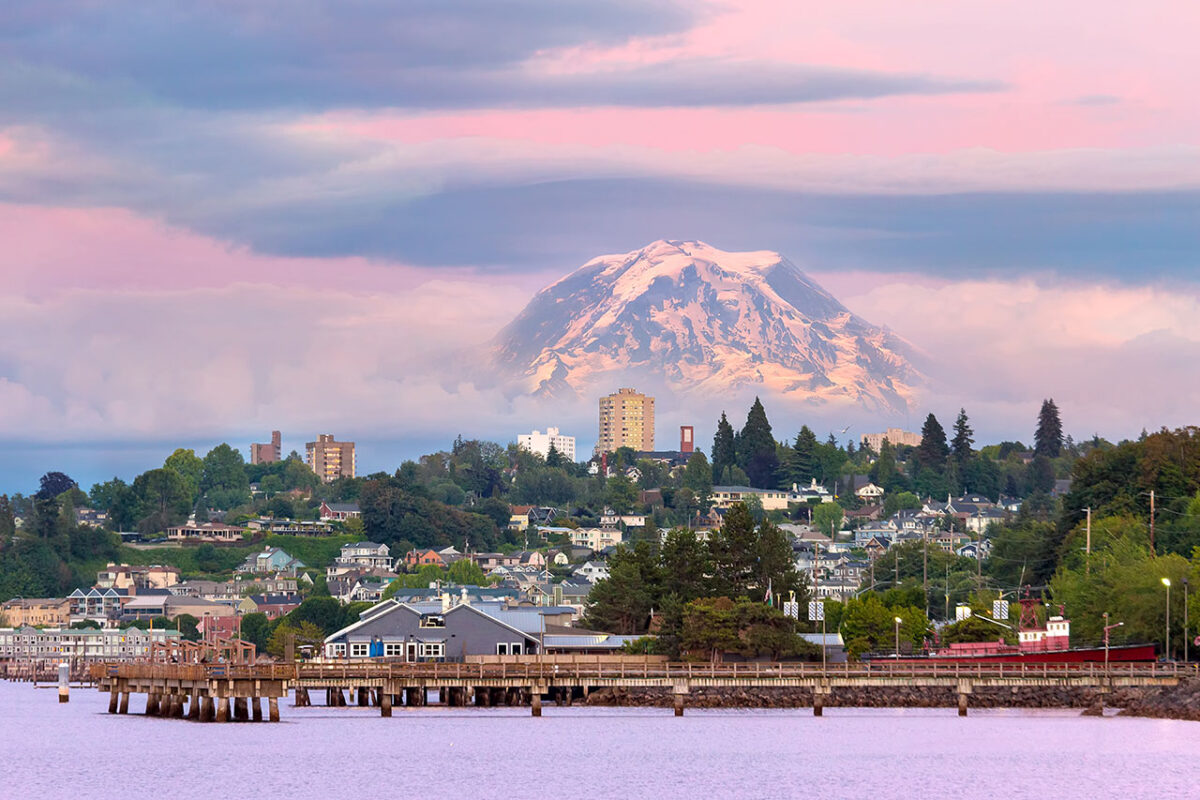
Tacoma, Washington, sits on Puget Sound about 35 miles south of Seattle, pairing a working waterfront with a strong museum district, neighborhood dining, and easy access to Mount Rainier country. You can build a satisfying city break around glass art, maritime views, historic sites, and forested parkland without spending every hour in transit.
Your best Tacoma trip combines downtown museums and the waterfront with a dedicated half-day at Point Defiance Park. Give yourself two full days for the city, then add a third if you want the zoo, a Mount Rainier day trip, or time to explore districts such as Proctor and Hilltop at an unhurried pace.
This Tacoma travel guide helps you choose a practical base, group nearby sights together, and reserve the attractions that need advance planning.
Key Takeaways
- Stay downtown for museums, transit connections, and the Thea Foss Waterway.
- Set aside substantial time for Point Defiance Park and Ruston Way.
- Pack layers and rain protection in every season.
Quick Answers and Trip Profile
Tacoma is best for a two- or three-day Pacific Northwest city break built around art, waterfront scenery, local history, and parks. You will find a compact core around the Museum District and Thea Foss Waterway, while Point Defiance Park and Ruston Way reward a separate outing.
- Best length: Two nights gives you the highlights; three nights adds neighborhood time or a regional excursion.
- Best base: Downtown or the Museum District for walkable cultural attractions and proximity to Tacoma Dome Station.
- Signature experiences: Museum of Glass, Chihuly Bridge of Glass, Point Defiance Park, Ruston Way Waterfront, and LeMay, America’s Car Museum.
- Car needed: A car helps with Point Defiance, dining districts, and Mount Rainier. You can manage downtown and the waterfront with walking, light rail, buses, rideshare, and occasional taxis.
- Airport: Seattle-Tacoma International Airport is the main commercial gateway.
The city’s appeal lies in its mix of industrial heritage and public art. From downtown, you can walk past restored buildings, cross a glass-lined pedestrian bridge, and reach a waterfront path with views across Commencement Bay.
For orientation before arrival, use the official Tacoma-Pierce County visitor guide and city map.
Best Things to Do in Tacoma, Washington
Start with Tacoma’s Museum District, then move toward the water for the strongest first-day introduction to the city. These attractions sit close enough together to combine without repeatedly moving your car.
- Museum of Glass: Watch contemporary glassmaking in the Hot Shop when demonstrations are scheduled, explore changing exhibitions, and cross the Chihuly Bridge of Glass toward downtown. Confirm timed-entry, demonstration, and accessibility details directly with the museum before choosing your visit day.
- Chihuly Bridge of Glass: This pedestrian bridge connects the museum area to downtown and turns a short walk into a memorable public-art stop. Visit in daylight to appreciate the colors and details along the bridge.
- Tacoma Art Museum: Focus your visit on American art and the museum’s strong Northwest context. Pair it with the nearby Washington State History Museum when you want a full indoor culture day.
- Washington State History Museum: Use its exhibits to place Tacoma within the larger story of Indigenous communities, maritime trade, railroads, industry, and state development.
- LeMay, America’s Car Museum: Car enthusiasts and families can spend several hours with a large range of automotive displays near Tacoma Dome Station. Check the museum’s current exhibition schedule before arrival.
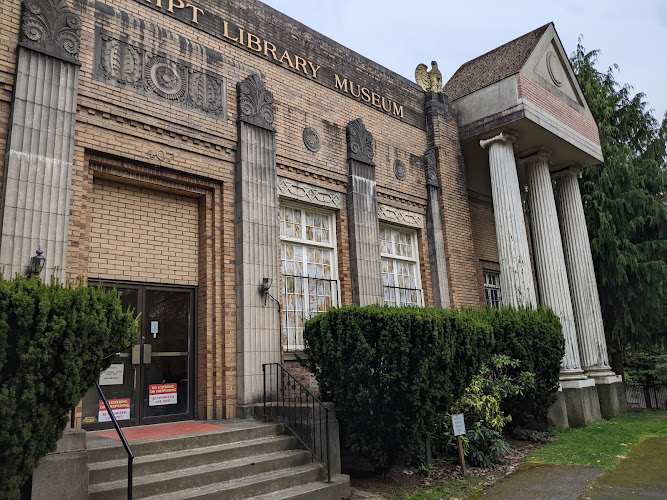
- Union Station: See the restored historic station near the Museum District for architecture and public art. Entry conditions can change because the building has active federal functions.
For a full-scale outdoor attraction, plan a separate visit to Point Defiance Zoo & Aquarium. It works especially well for families because you can pair animal exhibits with nearby gardens, shoreline views, and a park drive.
End a museum day along the Thea Foss Waterway, where marinas, restaurants, and the esplanade frame downtown from the water. Tacoma’s official regional information describes the city as positioned between Puget Sound and Mount Rainier, a setting you will notice most clearly on a clear waterfront afternoon.
History, Culture, and Local Character
Tacoma’s character comes from its port, rail connections, military-era history, and a long-running commitment to public art. You will get more from the city by treating its museums and historic districts as connected parts of that story.
Begin with the Washington State History Museum for broad context, then walk to Union Station and the Bridge of Glass to see how civic restoration and contemporary art shape the downtown landscape. The city’s glass identity has deep ties to Dale Chihuly and the growth of the local studio-glass movement.
At Point Defiance, Fort Nisqually Living History Museum interprets nineteenth-century life connected to the Hudson’s Bay Company era. Check seasonal operating dates before building a day around it, since historic-site schedules vary.
Hilltop carries major cultural weight in Tacoma’s Black history, community organizing, food scene, and arts activity. Spend time there respectfully: choose a locally owned café or restaurant, look for murals and public art, and keep in mind that this is a lived-in neighborhood with daily routines beyond visitor stops.
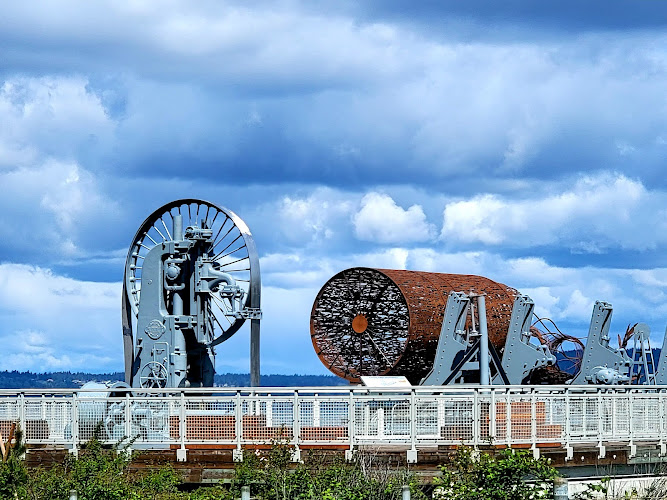
For a broader sense of place, Tacoma’s urban form tells its own story. Steep streets rise from the waterfront to residential districts, active rail lines run through parts of the city, and Commencement Bay remains a working harbor. That texture distinguishes Tacoma from a resort waterfront.
Neighborhoods, Parks, and Outdoor Activities
Point Defiance Park and the waterfront are Tacoma’s essential outdoor experiences, while each neighborhood gives you a different place to walk, eat, and pause. Bring shoes with grip because downtown hills and wet pavement require attention.
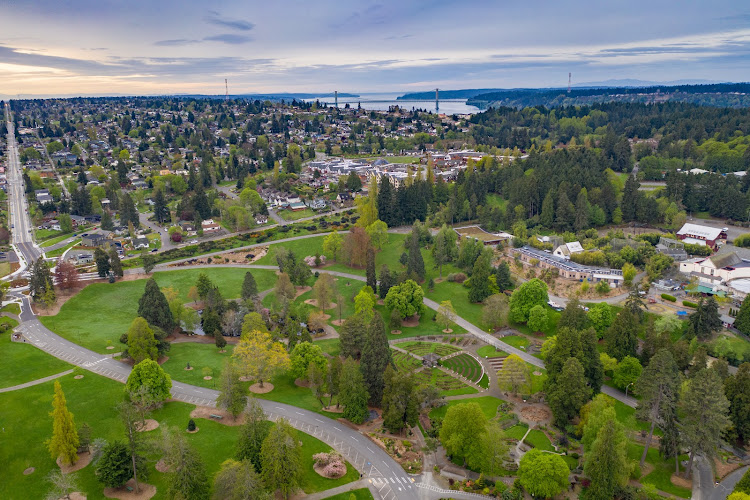
- Point Defiance: Devote at least half a day to forest trails, gardens, Owen Beach, the five-mile drive, Fort Nisqually, and the zoo. Road access and beach conditions change with weather or maintenance, so check current notices before leaving.
- Ruston Way Waterfront: Walk or cycle the shoreline path for views of Commencement Bay, boat traffic, and the Olympic Mountains when skies are clear. This is an easy choice for sunset, with restaurants nearby for a meal afterward.
- Thea Foss Waterway: Choose this area for a downtown-adjacent promenade, marina views, paddling opportunities, and waterfront dining.
- Proctor District: Browse independent shops, cafés, and the neighborhood’s relaxed commercial core. It is useful for a slower morning away from downtown.
- Old Town: Wander historic streets near the north end of Ruston Way, then continue toward the waterfront for a longer walk.
- Wright Park: Take a central-city break among mature trees and paths, then see the nearby W.W. Seymour Botanical Conservatory if it is open.
For a major day trip, drive toward Mount Rainier National Park via the park entrance best suited to your route and season. Snow, road closures, and limited services shape mountain travel, so consult current park conditions before departing.
If you want a wider regional shortlist, this guide to things to do in Washington State helps you extend a Tacoma stay into a longer itinerary.
Where to Stay and What to Eat
Downtown is the most efficient place to stay when museums, Tacoma Dome Station, and evening waterfront walks are priorities. You will spend less time coordinating rides and more time on foot around the Museum District and Thea Foss Waterway.
- Downtown and Museum District: Choose this area for business-style hotels, cultural attractions, and access to light rail. The Marriott Tacoma Downtown and Courtyard Tacoma Downtown place you near the convention center and museum cluster.
- Stadium District and North Slope: These historic residential areas suit you if you value architecture, neighborhood restaurants, and a quieter setting within reach of downtown.
- Point Ruston and North Tacoma: Stay near the waterfront when daily walks, water views, and access to Point Defiance rank highest.
- South Tacoma: Look here for practical highway access and lodging that may suit a road trip itinerary.
Tacoma’s dining is strongest when you follow the neighborhoods. Seek seafood along the waterfront, casual international food around Lincoln District, cafés and bakeries in Proctor, and restaurants around Sixth Avenue, Hilltop, and downtown.
Reserve dinner on busy Friday and Saturday evenings, especially for waterfront tables.
Build one meal around seasonal Puget Sound seafood, then use another to explore a neighborhood specialty. For a downtown date-night option, Amor Wine and Tapas fits a small-plates plan; confirm current menus, hours, and reservation policies directly before going.
How to Get There and Get Around
Seattle-Tacoma International Airport, Interstate 5, and Amtrak service make Tacoma straightforward to reach from the Pacific Northwest and beyond. Your easiest arrival plan depends on whether you intend to leave the city for Mount Rainier or nearby coastal areas.
From Seattle-Tacoma International Airport, rent a car for the greatest flexibility or continue south by scheduled ground transportation. If you arrive by rail, Tacoma Dome Station is a key hub for Amtrak and regional rail connections.
Allow extra time around peak commute periods on Interstate 5.
Within central Tacoma, walk between the Museum of Glass, Tacoma Art Museum, Washington State History Museum, Union Station, and the Thea Foss Waterway. Tacoma Link light rail helps connect the downtown core with Tacoma Dome Station, while Pierce Transit buses serve a broader area.
Check schedules on the day you travel because service patterns and construction affect timing.
Use rideshare, a rental car, or a taxi for Point Defiance Park, Proctor, Ruston Way, and destinations outside the core. Parking availability and fees vary by attraction and neighborhood.
A rental car is especially useful for families carrying gear, visitors with limited mobility, and anyone adding a Mount Rainier day.
If you are arriving overland, use a road trip guide approach: confirm parking at your hotel, keep rain gear accessible, and avoid loading an arrival day with a fixed museum entry time.
Best Time to Visit and Seasonal Planning
July through September provides Tacoma’s most reliable weather for waterfront walks, park time, and Mount Rainier excursions. You will also encounter higher demand for hotels, popular restaurant tables, and weekend attraction entry during this period.
Spring brings fresh greenery and garden color at Point Defiance, with rain still part of the plan. Fall offers cooler walking weather, changing foliage, and a cultural itinerary centered on museums.
Winter suits galleries, restaurants, and indoor attractions, while daylight is shorter and rain is frequent.
Pack a waterproof outer layer, comfortable closed-toe shoes, and layers for every month. Puget Sound breezes make waterfront temperatures feel cooler than downtown conditions, especially later in the day.
For a summer visit, book lodging early and reserve ticketed attractions once your dates are firm. For a winter stay, check holiday closures and weather conditions before committing to a Mount Rainier drive.
Tacoma-Pierce County’s seasonal overview notes spring blooms at Point Defiance, summer activity on Ruston Way, fall color around the Museum District, and winter light displays and events.
If timing is flexible, use this practical guide to the best time of year for a vacation to weigh weather preferences against crowds and trip costs.
A Practical Two- or Three-Day Itinerary
This itinerary groups Tacoma sights by location, so you spend your time exploring instead of crossing the city repeatedly. Adjust the museum order around current opening days and timed tickets.
- Day One, downtown art and water: Begin at the Museum of Glass, walk the Chihuly Bridge of Glass, and continue to Tacoma Art Museum or the Washington State History Museum. Take an afternoon walk around the Thea Foss Waterway, then reserve dinner downtown or along the waterfront.
- Day Two, Point Defiance and Ruston Way: Spend the morning at Point Defiance Zoo & Aquarium or Fort Nisqually Living History Museum, depending on your interests and seasonal schedules. Drive or walk sections of the park, stop at Owen Beach, and finish on Ruston Way with a waterside meal.
- Day Three, choose your direction: Visit LeMay, America’s Car Museum and explore nearby downtown, or make an early start for Mount Rainier National Park if roads and weather support the trip. Stay local if conditions are poor, using Proctor, Hilltop, Stadium District, and Wright Park for a neighborhood-focused day.
With only two days, skip the third-day choice and prioritize the Museum District plus Point Defiance. If you have one full day, choose the downtown art route in the morning and Ruston Way late in the day, then save Point Defiance for a return visit.
Costs, Safety, Accessibility, and Reservations
You can control Tacoma trip costs by choosing a walkable hotel base, mixing museum days with free waterfront time, and checking admission details before arrival. Hotel rates, attraction prices, parking charges, transit fares, and restaurant menus change, so confirm current figures directly with each provider before booking.
Free or low-cost time includes the Chihuly Bridge of Glass, waterfront promenades, many neighborhood walks, and much of Point Defiance Park. Build your paid itinerary around the museums, zoo, aquarium, historic-site admission, or special exhibitions that fit your interests.
Use standard city awareness after dark. Keep valuables out of view in parked cars, stay on active and well-lit routes when walking at night, and use rideshare for longer distances after evening events.
At the waterfront and in parks, keep children close near water, watch for uneven surfaces, and respect posted trail or shoreline closures. For accessibility, call or review each attraction’s official visitor information before arrival to confirm elevators, accessible entrances, seating, mobility-device policies, sensory considerations, accessible parking, and service-animal procedures.
Point Defiance’s terrain includes slopes, forest paths, and beach conditions that vary widely by location. Reserve lodging for summer weekends, timed museum entry when offered, zoo or aquarium tickets during school breaks, and popular dinner tables.
The city’s official guides to Tacoma also provide useful municipal information for services and local rules.
Sources and Current Planning Links
Use official channels for the final check on hours, admission, closures, maps, events, weather-related changes, and accessibility arrangements.
- Tacoma-Pierce County trip planning and itineraries
- Tacoma attractions and area information
- City of Tacoma visitor and municipal guides
- Tacoma destination overview
Frequently Asked Questions
Tacoma rewards visitors who want a Pacific Northwest city experience with art, water views, and park access. Plan around the Museum District, Point Defiance, Ruston Way, and the neighborhoods that match your dining and lodging style.
Is Tacoma, Washington worth visiting?
Tacoma is worth visiting for a two- or three-day trip focused on museums, glass art, Puget Sound scenery, and accessible urban parks. You get a distinct destination with a working-waterfront feel and a strong connection to Mount Rainier country.
What are the main attractions in Tacoma?
The main attractions are the Museum of Glass, Chihuly Bridge of Glass, Point Defiance Park, Point Defiance Zoo & Aquarium, Ruston Way Waterfront, Tacoma Art Museum, Washington State History Museum, and LeMay, America’s Car Museum.
Choose two geographic clusters per day to keep travel time manageable.
What are some hidden gems in Tacoma, WA?
Good lesser-known stops include the Thea Foss Waterway, Wright Park, Old Town, the Proctor District, and neighborhood murals in Hilltop. Fort Nisqually Living History Museum also adds historical depth when its seasonal schedule aligns with your dates.
What can families do in Tacoma?
Families should combine Point Defiance Zoo & Aquarium with park time, Owen Beach, and a waterfront meal. LeMay, America’s Car Museum and the Museum of Glass add indoor options for rainy days, with current activity schedules worth checking before you go.
What day trips can you take from Tacoma?
Mount Rainier National Park is Tacoma’s signature day trip when road, weather, and seasonal conditions cooperate. You can also spend a day in Seattle, explore nearby Puget Sound shoreline communities, or build a longer Washington itinerary around national parks and coastal drives.
How can you spend one day in Tacoma?
Spend one day in Tacoma by visiting the Museum of Glass and Chihuly Bridge of Glass in the morning, then taking lunch near downtown or along the Thea Foss Waterway. In the afternoon, walk Ruston Way. If you’d rather focus on indoor culture, add Tacoma Art Museum; when outdoor time matters more, substitute Point Defiance Park.
Affiliate placeholder: Compare accommodation options after checking the official property details, location, and cancellation terms.
Affiliate placeholder: Check current activity availability, meeting points, accessibility, and cancellation terms before reserving.