Estonian Open Air Museum is a 79-hectare open-air history museum at Vabaõhumuuseumi tee 12, 13521 Tallinn, in Estonia’s Rocca al Mare area of Haabersti district. Founded in 1957 and developed as a national record of rural architecture and everyday life, it brings together original buildings relocated from across Estonia. Travelers visit to walk between working farmyards, windmills, a coastal fishing settlement and forest-and-sea landscapes while seeing how Estonian families lived from the 18th to the 20th centuries.
What to Expect at Estonian Open Air Museum
The museum is arranged as a village rather than a single gallery. Its 14 farmsteads represent regional building traditions and different levels of wealth, from modest barn-dwellings to more substantial farm complexes. Walk past log houses with thatched roofs, grain barns, smoke saunas, animal sheds and fenced kitchen gardens, then continue to the windmills, village school and the wooden Sutlepa chapel. Interiors are furnished to show domestic work, food storage, sleeping arrangements and household objects rather than left as empty architectural shells.
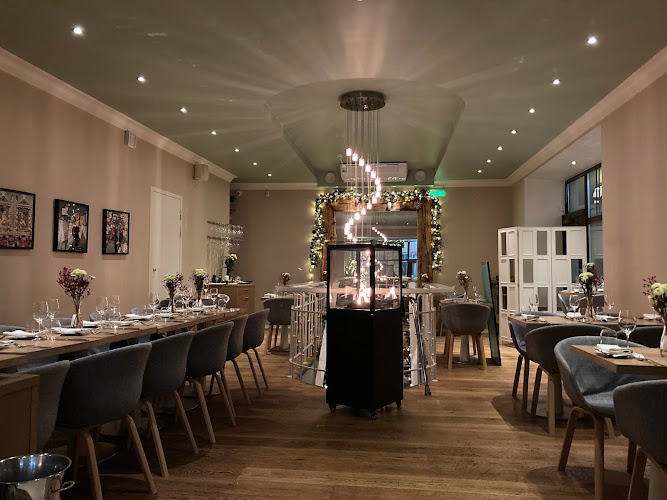
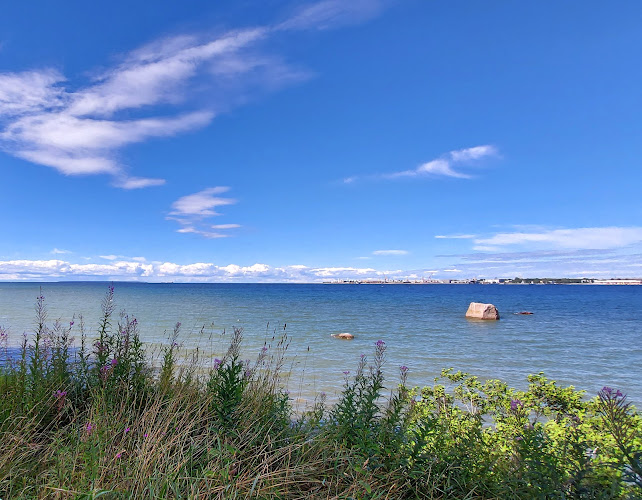
The shoreline section evokes the northern Estonian fishing communities that depended on Kopli Bay, with nets, boatsheds and fishermen’s homes facing the water. The Kolu Inn provides a useful mid-walk stop for Estonian food, while Lau village shop recalls a rural general store. Download the museum’s free Numu audio-guide app before setting out; it covers the permanent exhibition and is especially helpful when buildings are quiet or demonstrations are not running. Seasonal programs add craft activity, traditional food and costumed interpretation, so the experience changes through the year.
- Fourteen historic farms: Compare regional farm layouts, building materials and household life from the 18th through 20th centuries.
- Coastal fishing village: Follow the Kopli Bay edge past fishing-related buildings and maritime workspaces.
- Sutlepa chapel: Step into a preserved wooden chapel relocated from Estonia’s Noarootsi area.
- Windmills and village institutions: Look for the mill, schoolhouse, shop and communal spaces that complete the rural settlement.
- Kolu Inn and Lau village shop: Pause for Estonian dishes or browse a period-style shop during opening hours.
Estonian Open Air Museum at a Glance
| Detail | Information |
|---|---|
| Address | Vabaõhumuuseumi tee 12, 13521 Tallinn, Estonia |
| Neighborhood / Area | Rocca al Mare, Haabersti; on the wooded coast of Kopli Bay |
| Operating Hours | Winter season: Tuesday–Sunday, with ticket office, buildings, shop and Kolu Inn generally 10am–5pm; park until 7pm. December has daily opening, with listed holiday closures. |
| Admission & Ticket Prices | Paid admission. Visitors aged 60+ pay €4 on Thursdays from October to mid-April; check the official ticket page for current standard fares and online tickets. |
| Recommended Visit Duration | 3 to 4 hours; allow longer for lunch, the audio guide or seasonal activities. |
| Nearest Transit / Parking | Vabaõhumuuseum bus stop is the closest stop; visitor parking is available by the entrance. |
| Official Website / Phone | evm.ee / +372 654 9100 |
Visiting Tips, Getting There & Nearby Pairings
Arrive close to the 10am opening for the calmest paths and enough daylight to cover the full circuit, particularly from late autumn to early spring. Buy tickets online through the official ticket shop when visiting on a weekend, holiday or during a Christmas program. From central Tallinn, buses toward Rocca al Mare stop at Vabaõhumuuseum; drivers should use the entrance parking rather than trying to access the historic lanes. Confirm seasonal hours before travel, as building access and programming vary.
This is a large outdoor site, with long distances, uneven gravel and earth paths, grass, historic door thresholds and stairs inside many original buildings. Main roads are the easiest choice for wheelchairs and strollers, but not every farm interior is step-free; plan extra time and ask staff at the entrance for the most manageable route. Accessible toilet facilities are available in the visitor-service area. Pair a museum visit with lunch at Kolu Inn, a walk along the adjacent Rocca al Mare shoreline, or the Rocca al Mare shopping area, roughly a 15-minute walk away. Tallinn Zoo is also nearby by bus or a short drive.
Frequently Asked Questions
When is the best time to visit Estonian Open Air Museum?
Weekday mornings, soon after 10am, are best for quieter farmyards and an unhurried walk. In the winter season the museum is generally open Tuesday through Sunday; December opening and holiday closures differ, so check the official opening-hours page before setting out.
How much are tickets, and should I reserve ahead?
Admission is paid, with current standard fares published on the museum’s ticket page. A verified seasonal offer gives visitors aged 60 and over €4 entry on Thursdays from October to mid-April. Online booking is sensible for weekends and special events, though ordinary visits do not require a timed reservation.
How much time should I budget for the museum?
Budget at least three hours to see the principal farms, fishing village, chapel and windmills without rushing. Four hours is better if you use the Numu audio guide, stop at Kolu Inn or join demonstrations. The site’s 79 hectares make this a walking-intensive attraction.
Is the Estonian Open Air Museum suitable for children and wheelchair users?
Families can explore animal areas, varied farm buildings and seasonal hands-on programming; Farm Kid’s World at Kolga farm is designed around rural life and modern consumption. Wheelchair users and stroller-pushers can use the principal roads, but rough surfaces, slopes, steps and narrow historic entrances limit access to some buildings.
When planning your Tallinn travel guide or browsing verified attractions in Tallinn, pair this stop with standout local spots including Telliskivi Creative City, Danish King's Garden, Tuljak, and Fotografiska Tallinn (5.2 km away).