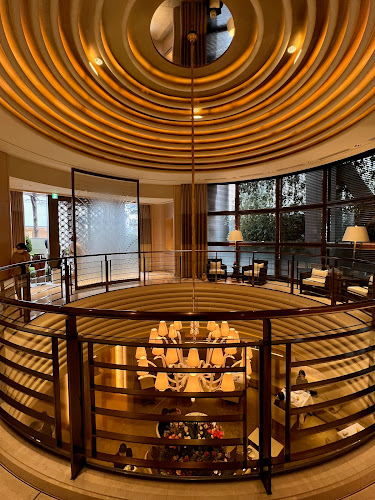
Museum of Contemporary Art Tokyo is Tokyo’s metropolitan contemporary-art museum at 4-1-1 Miyoshi, Koto City, Tokyo 135-0022, in the Kiyosumi-Shirakawa area beside Kiba Park. Opened in March 1995, it traces postwar Japanese and international art through a substantial permanent collection and changing exhibitions. Travelers come for ambitious installations, painting, photography, and design, as well as architect Takahiko Yanagisawa’s monumental building of stone, steel, glass, and generous circulation spaces.
What to Expect at Museum of Contemporary Art Tokyo
The rotating MOT Collection displays draw on holdings spanning postwar experimentation and contemporary practice. Important collection works include Roy Lichtenstein’s Girl with Hair Ribbon and Andy Warhol’s Marilyn Monroe; Japanese holdings explore movements and artists that reshaped art after 1945. Individual works are not continuously displayed, so read the current collection introduction before choosing your route. Temporary exhibitions can occupy several large galleries and range from single-artist surveys to architecture, fashion, animation, and interdisciplinary projects.
The architecture rewards attention between exhibitions: long sightlines, high ceilings, geometric stone surfaces, and glazed passages give the museum an unusually expansive feel. Start with whichever exhibition has timed admission, then follow the collection’s numbered sequence rather than moving randomly between floors. The Art Library offers a quieter encounter with exhibition catalogues and art publications, while the NADiff contemporary museum shop stocks books, editions, and exhibition merchandise. Café and restaurant spaces make a longer visit practical; check their separate operating schedules. Guided talks and audio-guide availability depend on the exhibition.
- MOT Collection: Changing selections connect Japanese postwar art with international developments rather than presenting a fixed greatest-hits display.
- Pop Art holdings: Works by Lichtenstein and Warhol are collection landmarks; their appearance depends on the exhibition rotation.
- Large-scale exhibitions: Spacious galleries accommodate installations and exhibition designs that smaller central-Tokyo venues cannot easily stage.
- Yanagisawa architecture: Stone-clad walls, steel structures, and broad glazed spaces distinguish this purpose-built 1990s museum.
- Art Library and shop: Browse research material and Japanese art publishing, then look for catalogues at NADiff contemporary.
Museum of Contemporary Art Tokyo at a Glance
| Detail | Information |
|---|---|
| Address | 4-1-1 Miyoshi, Koto City, Tokyo 135-0022, Japan |
| Neighborhood / Area | Miyoshi; Kiyosumi-Shirakawa area, beside Kiba Park |
| Operating Hours | Tuesday–Sunday, 10am–6pm; last admission 5:30pm. Normally closed Monday; holiday exceptions and maintenance closures apply. |
| Admission / Price Range | Paid, $$; collection and special-exhibition ticket prices differ. See the official exhibition pages for current rates and concessions. |
| Recommended Visit Duration | 2 to 3 hours |
| Nearest Transit / Parking | Kiyosumi-shirakawa: Hanzomon Line, exit B2, about 9 minutes; Oedo Line, exit A3, about 13 minutes. Paid on-site parking. |
| Official Website & Phone | Museum of Contemporary Art Tokyo; +81 3-5245-4111 |
Visiting Tips, Getting There & Nearby Pairings
Arrive near the 10am opening on a weekday for a less interrupted look at popular exhibitions. Book ahead when the exhibition page offers timed tickets, especially for weekends and closing dates. Kiba Station on the Tozai Line is another option, roughly 15 minutes away from exit 3. Drivers can use the museum’s paid parking, but spaces are limited. For step-free subway travel, follow station elevator signage rather than assuming the closest numbered exit has a lift.
The museum has step-free access, elevators between public floors, accessible toilets, and loan wheelchairs; strollers can use the broad circulation routes. Store bulky bags in lockers, and follow gallery-specific photography signs: permission varies by exhibition and artwork. Kiba Park begins immediately beside the museum, making its paths and lawns an easy break. Within roughly 10–15 minutes, walk to Kiyosumi Gardens for its pond-and-stone landscape or Fukagawa Edo Museum for reconstructed nineteenth-century streets. Kiyosumi-Shirakawa’s coffee shops provide another nearby pause.
Frequently Asked Questions
What are the opening hours and best arrival time?
Usual hours are 10am–6pm, Tuesday through Sunday, with entry ending at 5:30pm. Arrive at opening, and check the calendar for Monday-holiday arrangements and exhibition-change closures.
Do I need tickets in advance?
Collection galleries and special exhibitions require paid admission, with prices and concessions listed separately. Advance booking is advisable for popular shows; check whether your exhibition ticket also includes the MOT Collection.
How long should I allow?
Allow two to three hours for one major exhibition and the collection. Add time for lengthy video works, the library, or lunch.
Is the museum suitable for wheelchair users and families?
Elevators, accessible toilets, and step-free circulation support wheelchair and stroller visits. Families should check exhibition content, since dark installations, loud sound, or long films may be less suitable for younger children.
When planning your Tokyo travel guide or comparing verified museums and modern art museum in Tokyo, pair this stop with standout local spots including 21_21 DESIGN SIGHT, Kyu-Shiba-rikyū Gardens, Seiko House Ginza Clock Tower, and Kiyosumi Park (1.1 km away).