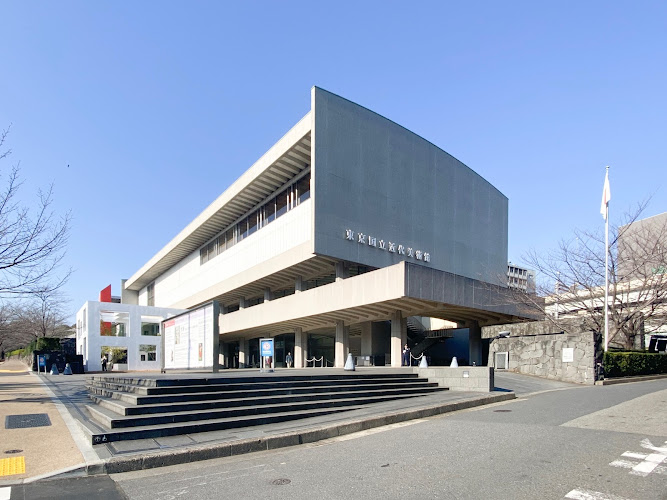
Nezu Museum is a museum of premodern Japanese and East Asian art at 6-5-1 Minamiaoyama, Minato City, Tokyo 107-0062, in the Minami-Aoyama neighborhood. Founded in 1941 around industrialist Nezu Kaichirō’s collection, it combines approximately 7,400 works with a wooded Japanese garden. Travelers come for carefully rotated paintings, Buddhist sculpture, tea utensils, and Kengo Kuma’s architecture, a short walk from Omotesando’s fashion streets.
What to Expect at Nezu Museum
Kuma’s present museum building opened in 2009. Its low roof, deep eaves, bamboo-lined approach, and glass-walled entrance soften the transition from city pavement to garden. Six galleries accommodate changing displays rather than a permanently exposed collection. Holdings include Ogata Kōrin’s gold-ground Irises screens, the devotional painting Nachi Waterfall, Chinese bronzes, calligraphy, ceramics, and lacquerware. Fragile paintings rotate; do not assume a celebrated work will be displayed during every visit.
From October 24 through November 23, 2026, Galleries 1 and 2 present Bugaku Costumes: The Beauty of Textiles Passed Down. The exhibition explores court-dance dress, including medieval textiles associated with Niutsuhime Shrine and the red and blue traditions distinguishing left- and right-side dances. Start with these galleries, continue through the smaller collection displays, then enter the roughly 17,000-square-meter garden. Ponds, stone lanterns, Buddhist figures, and four tea houses reward slow exploration. The tea houses are not ordinary walk-in cafés.
- Kōrin’s Irises: National Treasure folding screens, generally associated with the spring exhibition season rather than year-round display.
- Buddhist art: Sculpture and devotional paintings illuminate religious traditions across Japan and East Asia.
- Tea culture: Gallery 6 regularly explores utensils and seasonal arrangements connected with chanoyu.
- Garden paths: Winding routes descend past ponds, moss, stonework, and tea-house settings.
- NEZUCAFÉ and shop: Garden-facing café seating complements collection-inspired stationery, postcards, and exhibition catalogues.
Nezu Museum at a Glance
| Detail | Information |
|---|---|
| Address | 6-5-1 Minamiaoyama, Minato City, Tokyo 107-0062, Japan |
| Neighborhood / Area | Minami-Aoyama, near Omotesando |
| Operating Hours | Tuesday–Sunday, 10am–5pm; last admission 4:30pm. Mondays closed, except public holidays; ordinarily closed the following Tuesday. Exhibition-change and year-end closures apply. |
| Admission / Price Range | $$. October 24–November 23, 2026: timed online tickets ¥1,600 adults, ¥700 university students; door tickets ¥200 more. High-school students and younger free with required identification. |
| Recommended Visit Duration | 1.5 to 2.5 hours |
| Nearest Transit / Parking | Omotesando Station: Ginza, Hanzomon, Chiyoda lines; A5 exit approximately eight minutes on foot. Paid public parking around Omotesando is an alternative for drivers. |
| Official Website & Phone | Nezu Museum; +81 3-3400-2536 |
Visiting Tips, Getting There & Nearby Pairings
Reserve a timed ticket through the official visitor page, particularly for spring irises and popular special exhibitions. Arrive at 10am to give both art and garden sufficient time. Lockers allow you to leave bulky belongings before entering the galleries, where photography is prohibited; garden photography is permitted subject to posted restrictions. Check scheduled talks and gallery programs rather than expecting a continuous guided-tour service. NEZUCAFÉ opens 10am–4:30pm, with food orders ending at 3pm and drinks at 4pm, sometimes earlier when busy.
A5 is a stair exit; travelers needing an elevator should follow Omotesando Station’s accessible-exit signage instead. Inside, an elevator connects gallery floors, but the garden has slopes, steps, and uneven paths: wheelchair users and stroller-pushers should ask staff for a suitable route. Café seating provides a useful rest. Pair the museum with Prada Aoyama’s diamond-patterned glass building, about five minutes away, or Omotesando’s shopping avenue, around ten minutes away. Continue toward the wooded grounds of Aoyama Cemetery, approximately 15 minutes away, for a longer outdoor walk.
Frequently Asked Questions
When is Nezu Museum open, and when should I arrive?
Opening hours are 10am–5pm, with entry until 4:30pm. Choose an opening-time slot, and check exhibition-change closures before traveling; Monday, November 23, 2026, is a special holiday opening.
How much are tickets, and should I book?
The 2026 Bugaku exhibition costs ¥1,600 online for adults and ¥700 for university students; buying at the door adds ¥200. Other exhibitions have different rates, so select your date online; garden, café, and shop access require museum admission.
How long does a visit take?
Allow 1.5–2.5 hours for galleries and garden. Add time for café queues or particularly detailed exhibition viewing.
Is the museum accessible and suitable for families?
The gallery building has elevator access, while the sloping garden requires selective routing. Families are welcome, but children need supervision beside ponds and on stone steps.
When planning your Tokyo travel guide or browsing verified museums in Tokyo, pair this stop with standout local spots including DAIKANYAMA T-SITE, Grand Hyatt Tokyo, Shinjuku SUBNADE, and L’Effervescence (0.3 km away).