
Editorial disclosure: This destinations.ai guide was prepared with AI assistance and checked against the official sources linked below. Accommodation and activity placeholders may use affiliate links; that does not change the planning advice.
Overview: Why Visit Ulaanbaatar
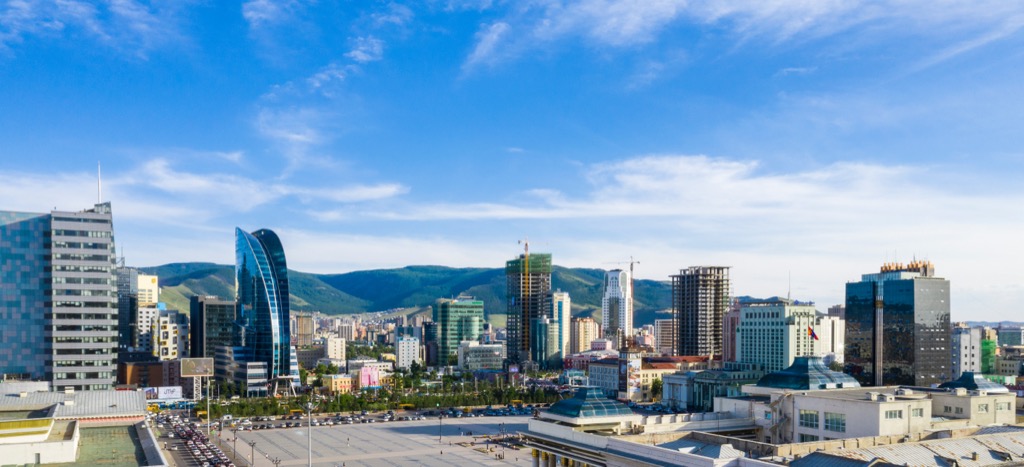
Ulaanbaatar (UB), the bustling capital of Mongolia, is the cultural, economic, and transport gateway to the legendary landscapes of Central Asia. Situated in the valley of the Tuul River at the foot of the sacred Bogd Khan Mountain, Ulaanbaatar presents a striking contrast where ancient Tibetan Buddhist monasteries and traditional felt yurt (ger) districts coexist alongside contemporary high-rises, thriving specialty coffee shops, and world-class cashmere boutiques.
As the starting point for expeditions into the vast Mongolian steppe, the Gobi Desert, and Gorkhi-Terelj National Park, Ulaanbaatar is an indispensable hub for discovering nomadic heritage, throat-singing traditions, and the monumental history of the Mongol Empire.
Best Time to Visit Ulaanbaatar
Quick answer: Summer & Naadam Festival (June to August): The premier travel season. Daytime temperatures are warm and pleasant, averaging 20°C to 28°C (68°F to 82°F), with lush green steppes and fully operational countryside ger camps. The national Naadam Festival (July 11 to 13) is the country’s greatest cultural spectacle, bringing together thousands of competitors for the “Three Games of Men”: traditional wrestling, long-distance horse racing across open plains, and archery.
- Summer & Naadam Festival (June to August): The premier travel season. Daytime temperatures are warm and pleasant, averaging 20°C to 28°C (68°F to 82°F), with lush green steppes and fully operational countryside ger camps. The national Naadam Festival (July 11 to 13) is the country’s greatest cultural spectacle, bringing together thousands of competitors for the “Three Games of Men”: traditional wrestling, long-distance horse racing across open plains, and archery.
- Autumn (September to October): Crisp, dry weather with mild sunny days (10°C to 18°C / 50°F to 64°F) and golden larch forests in the surrounding mountains. Ideal for hiking in Terelj, birdwatching, and attending the Golden Eagle Festivals in Western Mongolia without mid-summer tourist crowds.
- Spring (April to May): Characterized by dramatic weather shifts and dust winds from the Gobi. Wildlife emerges and nomadic livestock calving begins, though countryside roads can be muddy from spring thaws.
- Winter (November to March): Extremely severe sub-zero Arctic temperatures frequently dipping below -30°C to -40°C (-22°F to -40°F). Recommended only for experienced winter adventurers seeking dog-sledding treks on frozen rivers, ice festivals at Lake Khövsgöl, and the traditional Tsagaan Sar (White Moon / Mongolian Lunar New Year) celebrations.
Key Cultural Landmarks & Day Trips
Quick answer: Gandantegchinlen Monastery (Gandan): Mongolia’s most important active Tibetan Buddhist center, originally founded in 1838. Home to hundreds of practicing monks and the monumental 26.5-meter (87 ft) gilded statue of Megjid Janraisig (Avalokiteshvara), one of the world’s tallest indoor standing Buddha statues.
- Gandantegchinlen Monastery (Gandan): Mongolia’s most important active Tibetan Buddhist center, originally founded in 1838. Home to hundreds of practicing monks and the monumental 26.5-meter (87 ft) gilded statue of Megjid Janraisig (Avalokiteshvara), one of the world’s tallest indoor standing Buddha statues.
- Sükhbaatar Square (Chinggis Square): The monumental central plaza of Ulaanbaatar, flanked by the Parliament House with colossal bronze seated statues of Genghis Khan, Ögedei Khan, and Kublai Khan, alongside the equestrian statue of revolutionary leader Damdin Sükhbaatar.
- National Museum of Mongolia: A premier historical museum spanning prehistoric archaeology, ancient nomadic empires (Hunnu and Göktürks), the rise of the Mongol Empire under Genghis Khan, intricate traditional ethnic costumes from 20+ nomadic tribes, and 20th-century democratic history.
- Choijin Lama Temple Museum: A beautifully preserved 1908 Buddhist temple complex in the heart of downtown featuring four intricately painted wooden temples, original silk thangkas, and rare cham dance ceremonial masks.
- Genghis Khan Equestrian Statue (Tsonjin Boldog): Located 54 km east of Ulaanbaatar. A breathtaking 40-meter (131 ft) stainless steel statue of Genghis Khan on horseback, the largest equestrian monument in the world. An interior elevator takes visitors up through the horse’s neck to an observation deck directly atop the horse’s head.
- Gorkhi-Terelj National Park: Just 65 km northeast of the capital, known for dramatic granite rock formations (including Turtle Rock), the peaceful Aryabal Meditation Temple perched on a mountain ridge, pristine alpine rivers, horseback riding treks, and authentic overnight stays in felt ger camps.
- Hustai National Park: Located 100 km west of the city, world-famous for the successful reintroduction of the Takhi (Przewalski’s horse), the only truly wild horse species surviving on Earth today.
Suggested 3-Day Ulaanbaatar Itinerary
Quick answer: Day 1: Imperial Heritage & Buddhist Chants. Begin with morning chanting rituals at Gandan Monastery. Stroll across Sükhbaatar Square, tour the National Museum of Mongolia, and explore the ancient temples of Choijin Lama. In the evening, attend a traditional performance of Khöömei (overtone throat singing) and the Morin Khuur (horsehead fiddle) at the State Philharmonic.
- Day 1: Imperial Heritage & Buddhist Chants. Begin with morning chanting rituals at Gandan Monastery. Stroll across Sükhbaatar Square, tour the National Museum of Mongolia, and explore the ancient temples of Choijin Lama. In the evening, attend a traditional performance of Khöömei (overtone throat singing) and the Morin Khuur (horsehead fiddle) at the State Philharmonic.
- Day 2: Giant Genghis Khan Monument & Terelj National Park. Take a morning excursion east to the colossal Genghis Khan Statue Complex at Tsonjin Boldog. Continue into Gorkhi-Terelj National Park to visit Turtle Rock and hike up to Aryabal Meditation Monastery. Enjoy a traditional nomadic lunch and horseback riding through the valley before returning to UB.
- Day 3: Nomadic Culture, Zaisan Panorama & Cashmere. Hike or ride up to the Zaisan Hill Memorial for sweeping 360-degree views of the capital and Bogd Khan Mountain. Tour the Winter Palace of the Bogd Khan, shop for certified organic Mongolian cashmere at the Gobi Cashmere flagship store, and finish with a feast of authentic Mongolian barbecue (Khorkhog).
Mongolian Cuisine & Nomadic Specialties
Quick answer: Buuz: The national comfort food consisting of plump steamed dumplings filled with minced mutton or beef, seasoned with onion, garlic, and salt, pinched with a small vent on top to retain savory cooking juices.
- Buuz: The national comfort food consisting of plump steamed dumplings filled with minced mutton or beef, seasoned with onion, garlic, and salt, pinched with a small vent on top to retain savory cooking juices.
- Khuushuur: Golden, deep-fried crescent pastries stuffed with spiced minced meat, traditionally consumed hot by the dozen during the Naadam festival.
- Tsuivan: Hand-rolled, pan-steamed wheat noodles stir-fried in a wok with tender strips of meat, julienned carrots, onions, and cabbage.
- Khorkhog: The authentic nomadic feast prepared by layering cuts of mutton or goat with river stones heated over open fires inside a sealed metal pot, slow-cooking the meat until meltingly tender.
- Airag: Traditional fermented mare’s milk with a tangy, mildly alcoholic flavor, served to guests in rural gers as a symbol of hospitality.
- Suutei Tsai: Hot, savory milk tea brewed with green tea leaves, whole milk, and a pinch of salt.
Practical Travel Tips & Budget
Quick answer: Getting Around & Traffic: Ulaanbaatar experiences heavy road traffic during peak hours. For city exploration, walking between central downtown sights (Sükhbaatar Square, Gandan, museums) is fastest. For excursions to Terelj, Tsonjin Boldog, or Hustai, pre-arrange a private 4×4 vehicle with driver through your hotel or tour operator.
- Getting Around & Traffic: Ulaanbaatar experiences heavy road traffic during peak hours. For city exploration, walking between central downtown sights (Sükhbaatar Square, Gandan, museums) is fastest. For excursions to Terelj, Tsonjin Boldog, or Hustai, pre-arrange a private 4×4 vehicle with driver through your hotel or tour operator.
- Airport Transit: The modern Chinggis Khaan International Airport (UBN) is located in the Sergelen valley, approximately 50 km south of the city center. The express highway transfer takes 45 to 70 minutes via official airport shuttle buses (approx. 25,000 MNT) or pre-booked private taxis (– USD).
- Currency & Payments: The official currency is the Mongolian Tugrik (MNT). Visa and Mastercard are accepted at major hotels, department stores, and restaurants in Ulaanbaatar. Always carry cash for countryside ger camps, rural shops, and local handicraft markets like Narantuul.
- Daily Budget Breakdown:
- Budget traveler: compare current low-cost lodging, meals, and free attractions before booking (hostel guesthouses, local canteen meals [guanz], shared minivan transit).
- Mid-range traveler: allow for a comfortable hotel, paid attractions, and sit-down meals, then check current prices (3-star modern hotel, private day-trip drivers to Terelj/Genghis statue, museum admissions, sit-down dining).
- Luxury traveler: budget for premium lodging, private activities, and higher-end dining after checking current rates (5-star hotels like Shangri-La Ulaanbaatar or The Blue Sky Hotel, private helicopter charters, luxury eco-ger lodges like Terelj Hotel).
Frequently Asked Questions
How many days should you spend in Ulaanbaatar?
Two to three days in Ulaanbaatar is ideal to tour the main historical museums, Gandan Monastery, and take day excursions to the Genghis Khan Statue Complex and Gorkhi-Terelj National Park before embarking on multi-day overland expeditions into the Gobi Desert or Altai Mountains.
Is Ulaanbaatar safe for tourists?
Ulaanbaatar is generally a safe and welcoming capital. As in any major city, keep your valuables secure against pickpocketing in crowded areas like the Narantuul (“Black”) Market and along Peace Avenue, and take licensed taxis or rideshare apps like UBCab after dark.
What should you wear when visiting a traditional ger camp?
Even during mid-summer, temperatures in the open steppes drop quickly after sunset. Pack layered clothing, including a windproof fleece or light down jacket, sturdy hiking shoes, UV-rated sunglasses, and a sunhat. Dress respectfully by covering shoulders when entering Buddhist temples.
Affiliate placeholder: Compare accommodation options after checking the official property details, location, and cancellation terms.
Affiliate placeholder: Check current activity availability, meeting points, accessibility, and cancellation terms before reserving.
Sources and current planning links
Explore more destinations.ai travel guides when building a longer route.
For a longer regional route, compare Tokyo, Bangkok, Istanbul, Kyoto, Singapore with this destination before finalizing your itinerary.
Explore Ulaanbaatar by Category: Discover top curated spots across Ulaanbaatar Attractions & Sightseeing, Best Places to Stay in Ulaanbaatar, Ulaanbaatar Restaurants & Dining.


