Maria Skłodowska-Curie Museum is a compact science-and-biography museum in the 18th-century Warsaw tenement where Marie Curie was born in 1867. The world’s only museum devoted to her life, it approaches an immense scientific legacy through an unusually personal setting: the rooms of her birthplace rather than a grand institutional gallery.
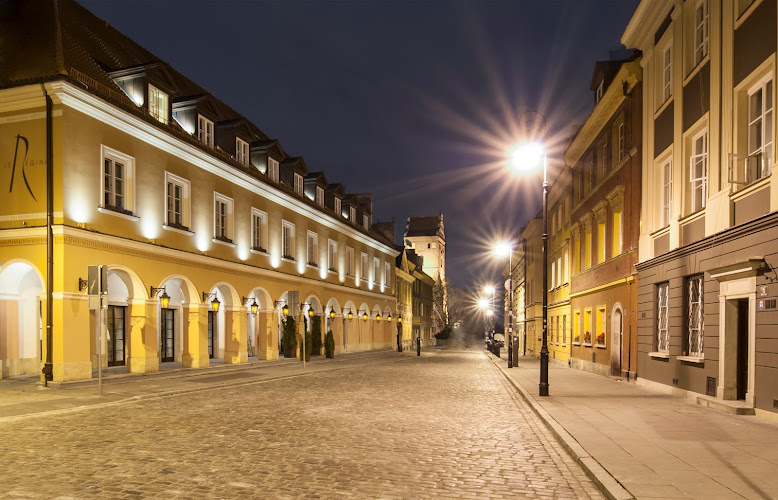
It stands on Freta Street in Nowe Miasto, Warsaw’s quieter northern continuation of the Old Town. A short walk from the Old Town walls and cobbled historic streets, the museum makes a rewarding pause between bigger Warsaw sights. Its scale is intimate, its subject is internationally significant, and the experience is strongest for visitors willing to read, look closely, and follow a life that stretched from partition-era Warsaw to Paris laboratories.
Standout Highlights & What Not to Miss
The permanent exhibition, Who Are You, Maria?, is more than a chronology of prizes and discoveries. It follows Skłodowska-Curie as a Warsaw daughter, determined student, migrant, collaborator, mother, and scientist. That human framing is the museum’s real advantage: the Nobel story is here, but so are the constraints, choices, and relationships behind it. Allow time for captions and archival material; this is a museum that rewards a measured visit rather than a quick photo stop.
- The birthplace setting: Notice the contrast between the modest historic tenement and the scale of the achievements associated with it. The address also recalls the girls’ boarding school run here by Maria’s mother, Bronisława Skłodowska.
- Who Are You, Maria?: Make this the core of your visit. The exhibition uses personal objects, photographs, letters, and documents to give the famous scientist a fuller, less mythic presence.
- The Warsaw education story: Look for the context around her early studies, including the clandestine Flying University. It helps explain why education and independence became such central parts of her story.
- Radioactivity and the Nobel years: The displays connect her work with Pierre Curie, the discovery of polonium and radium, and her two Nobel Prizes without reducing the visit to a list of accolades.
- Temporary programming and the shop: Check what is on when you arrive. Guided visits, educational activities, and changing displays can add useful context; the shop is a sensible final stop for science- and Warsaw-themed reading.
Visitor Strategy & Planning Snapshot
| Planning Factor | What to Expect | Practical Strategy |
|---|---|---|
| Ideal Arrival Window | A small museum is most enjoyable when rooms are not crowded and you can linger with the documents. | Go near opening or earlier in the afternoon, then leave room for a walk through Nowe Miasto. |
| Typical Time Needed | Most visitors need 45 to 75 minutes; avid readers and science-history fans may take longer. | Reserve about an hour, or 90 minutes if you want to engage carefully with the exhibition and any temporary display. |
| Booking / Queue Reality | It is a modest, indoor museum rather than a high-volume monument, but group visits and programs can affect the feel of the rooms. | Check current admission arrangements before setting out, especially for guided tours, workshops, school-holiday visits, or a timed itinerary. |
| Terrain & Accessibility | The historic tenement has stairs and narrow rooms, which may present barriers for wheelchair users and visitors needing step-free circulation. | Contact the museum ahead of time to discuss access needs; do not assume that a historic-house layout will work for every mobility requirement. |
| Weather / Seasonal Fit | This is a useful all-weather stop and an easy cultural reset during a cold, wet, or very hot day in Warsaw. | Pair it with outdoor Old Town wandering in fair weather, or use it as the indoor anchor of a winter or rainy-day route. |
Honest Trade-Offs: Best For vs. Who Might Skip
This museum is best for science enthusiasts, history buffs, students, and families with teens who value biography and original material over spectacle. It is especially meaningful for visitors interested in women in science, Polish cultural history, or the human circumstances behind a global scientific breakthrough. The trade-off is scale: there are no vast experimental galleries, dramatic hands-on zones, or long sequence of blockbuster objects. Younger children may find the document-heavy narrative less immediately engaging, and visitors seeking a broad survey of science would be better served by a larger science center. Skip it only if your Warsaw schedule is extremely tight and you prefer panoramic sightseeing; otherwise, its focused, reflective character makes it a memorable counterpoint to the city’s grander museums.
Neighborhood Context & How to Pair Your Visit
Freta Street is ideal for a walkable half-day in the historic center. Start in the Old Town or around the Barbican, continue north into the less frenetic streets of Nowe Miasto, and give the museum its unhurried hour before stopping at a nearby café or continuing toward the Vistula-side viewpoints. The route works particularly well as a thematic pairing with Warsaw’s reconstructed historic fabric: the Curie museum adds a precise, personal story to streets that otherwise tell a broader tale of the city. Because the museum is compact, it also fits neatly before dinner, between larger museum visits, or as a thoughtful indoor stop during a self-guided Old Town walk.
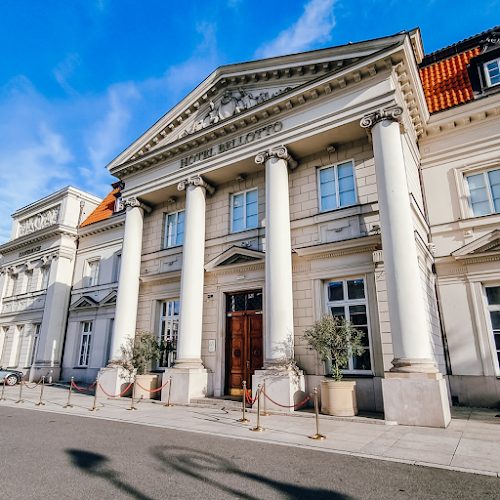
When planning your Warsaw travel guide or browsing verified attractions in Warsaw, pair this stop with standout local spots including Bellotto Hotel, Be Happy Museum Warszawa, Old water pump, and Warsaw Barbican (0.1 km away).