Quick answer: Warsaw is Poland’s energetic modern capital, distinguished by its meticulously rebuilt UNESCO Old Town, royal palaces along the Royal Route, the emotive Warsaw Uprising Museum, and lively summer riverside promenades.
Editorial disclosure: This destinations.ai guide was prepared with AI assistance and checked against the official sources linked below. Some hotel and tour links on this page may earn an affiliate commission at no extra cost to you; our editorial recommendations remain independent.
Overview: Why Visit Warsaw
Warsaw, the resilient and dynamic capital of Poland along the Vistula River, is often called the “Phoenix City” of Europe. Reduced to rubble during World War II, Warsaw executed one of the most astonishing architectural resurrections in human history—painstakingly reconstructing its historic medieval core brick-by-brick using 18th-century paintings by Bernardo Bellotto (Canaletto), earning its Old Town a UNESCO World Heritage designation.
Quick Trip-Planning Snapshot
Warsaw rewards three full days, or four if you want a Wilanów or Praga detour and a slower museum pace. The core is compact and runs on trams, buses and two metro lines, so you do not need a car. Book the Warsaw Rising Museum, POLIN and any Chopin concert tickets a week or two ahead in May, June and September, and reserve dinner tables for Friday and Saturday evenings.
- Best Base for First-Timers: Śródmieście, near the Centralny rail hub and the Nowy Świat axis. It puts the Old Town, the Royal Route, major museums and the M1/M2 metro interchange within a short walk or one or two stops.
- Getting Around: Use the integrated ZTM network of metro, trams and buses. A single time-based ticket works across all modes, and the Warsaw Chopin Airport rail link runs into Centralny. Walk the Royal Route and Old Town; use trams for the Vistula and Praga side.
- Peak vs. Value Windows: May to June and September bring the best balance of long daylight and mild weather, but also the highest prices and school groups. November and late winter are the value windows, with cheaper rooms and quieter museums, though you trade away the outdoor café and riverfront life.
- Top Insider Tip: Spend one afternoon across the river in Praga, which escaped much of the wartime destruction. Pair its courtyards and former factory spaces with a milk bar lunch (bar mleczny) for a cheap, local meal.
Today, Warsaw is one of Europe’s fastest-growing cultural and technological hubs, where restored royal palaces and leafy neoclassical parks stand alongside sleek modern skyscrapers (including Varso Tower, the tallest building in the European Union), profound interactive history museums, and a thriving food scene of historic milk bars and Michelin-starred modern Polish restaurants.
Best Time to Visit Warsaw
Quick answer: Late Spring & Early Summer (May to June): The most pleasant season for sightseeing. Daytime temperatures average a comfortable 18°C to 24°C (64°F to 75°F). Warsaw’s lush public parks burst with green foliage, open-air classical piano concerts commence beneath the Chopin Monument in Łazienki Park, and pop-up bars open along the Vistula Boulevards.
- Late Spring & Early Summer (May to June): The most pleasant season for sightseeing. Daytime temperatures average a comfortable 18°C to 24°C (64°F to 75°F). Warsaw’s lush public parks burst with green foliage, open-air classical piano concerts commence beneath the Chopin Monument in Łazienki Park, and pop-up bars open along the Vistula Boulevards.
- Autumn (September to October): Characterized by the beautiful “Polish Golden Autumn” (Złota Polska Jesień). Temperatures average 12°C to 18°C (54°F to 64°F) with crisp, clear afternoons. Autumn colors transform the royal gardens of Wilanów Palace and Łazienki, and cultural institutions kick off major opera and theatre seasons.
- Summer (July to August): Warm with highs averaging 24°C to 28°C (75°F to 82°F). The city embraces outdoor riverside living along the Vistula, featuring sandy urban beaches, open-air film screenings, and bustling weekend food truck markets.
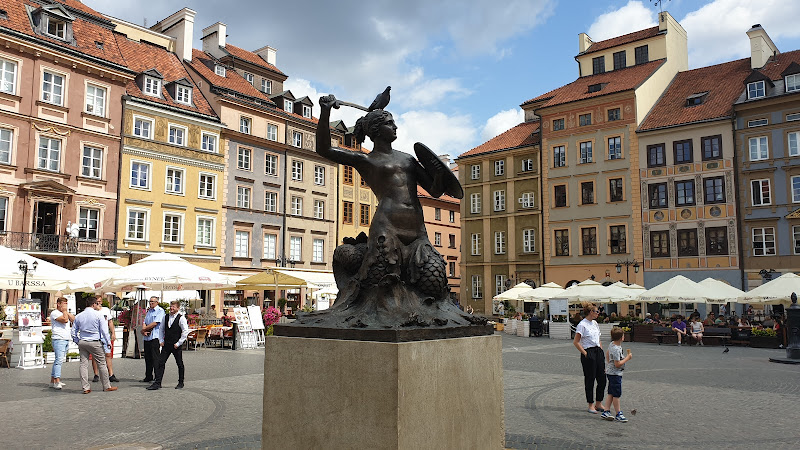
- Winter (November to February): Cold and crisp with temperatures averaging -3°C to 4°C (27°F to 39°F) and occasional snow. Warsaw puts on one of Central Europe’s most spectacular holiday light displays along the Royal Route, the Old Town Market Square opens a circular public ice-skating rink around the Warsaw Mermaid statue, and cozy cellar restaurants serve piping-hot pierogi and mulled wine.
Key Sights, Royal Palaces & World-Class Museums
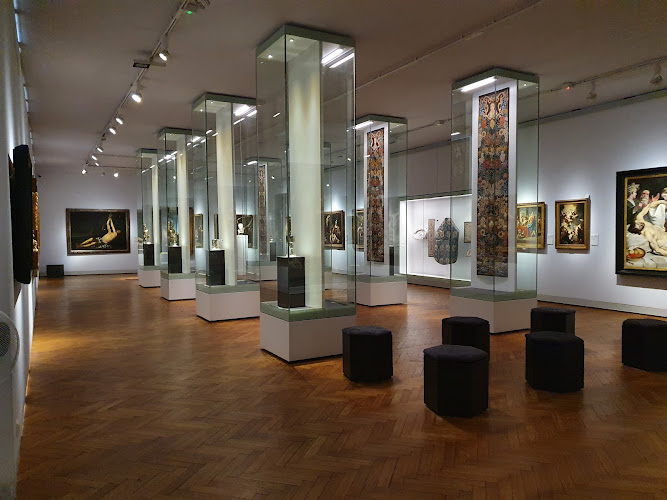
Quick answer: Old Town (Stare Miasto) & Royal Castle: Stroll through the cobblestone Market Square framed by colorful merchant guild houses. Admire the bronze statue of the sword-wielding Warsaw Mermaid ( Syrenka ), walk the 14th-century red-brick defensive Barbican walls, and tour the lavishly restored apartments, Throne Room, and Rembrandt paintings inside the Royal Castle (Zamek Królewski).
- Old Town (Stare Miasto) & Royal Castle: Stroll through the cobblestone Market Square framed by colorful merchant guild houses. Admire the bronze statue of the sword-wielding Warsaw Mermaid (Syrenka), walk the 14th-century red-brick defensive Barbican walls, and tour the lavishly restored apartments, Throne Room, and Rembrandt paintings inside the Royal Castle (Zamek Królewski).
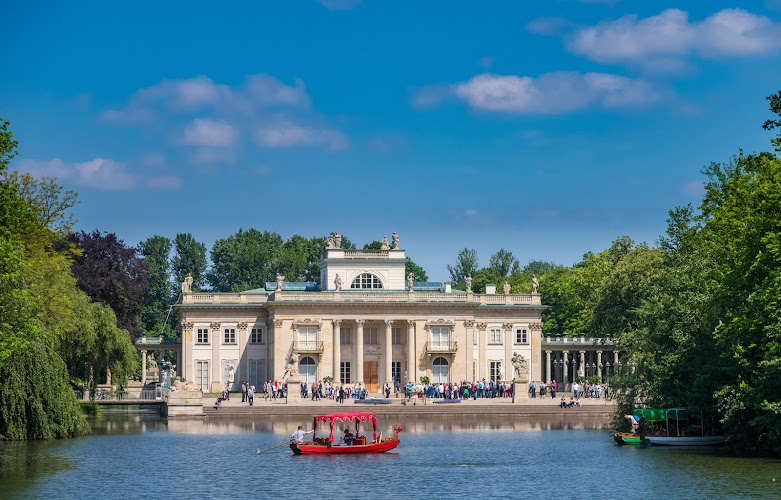
- The Royal Route & Łazienki Park: Follow Krakowskie Przedmieście and Nowy Świat past the Presidential Palace and Holy Cross Church (where the heart of composer Frédéric Chopin is interred in a marble pillar). Reach Łazienki Park, a stunning 190-acre royal sanctuary featuring the neoclassical “Palace on the Isle” floating on a tranquil lake, roaming royal peacocks, and free Sunday Chopin piano recitals from May to September.
- POLIN Museum of the History of Polish Jews: Built on the site of the former Warsaw Ghetto, this world-renowned architectural masterpiece documents 1,000 years of Jewish heritage and culture in Poland through eight deeply immersive narrative galleries.
- Warsaw Rising Museum: Housed in a former tram power station, this cutting-edge interactive museum chronicles the heroic and tragic 63-day 1944 Warsaw Uprising against Nazi occupation through archival audio, reconstructed sewer tunnels, and a full-scale B-24 Liberator bomber replica.
- Palace of Culture and Science: Warsaw’s most recognizable and debated landmark—a 237-meter Soviet-era skyscraper towering over the city center. Take the high-speed elevator to the 30th-floor observation terrace (114 meters up) for 360-degree panoramic views across the capital’s skyline and modern glass towers.
- Praga District & Polish Vodka Museum: Cross to the right bank of the Vistula to explore Praga, Warsaw’s historic pre-war neighborhood known for gritty industrial brick architecture, artisan studios, the Koneser Praga Centre, and the interactive Polish Vodka Museum.
- Vistula Boulevards (Bulwary Wiślane): Miles of pedestrian promenades, bike lanes, open-air cocktail pavilions, and riverboat cruises along the west bank of the Vistula River.
Suggested 3-Day Warsaw Itinerary
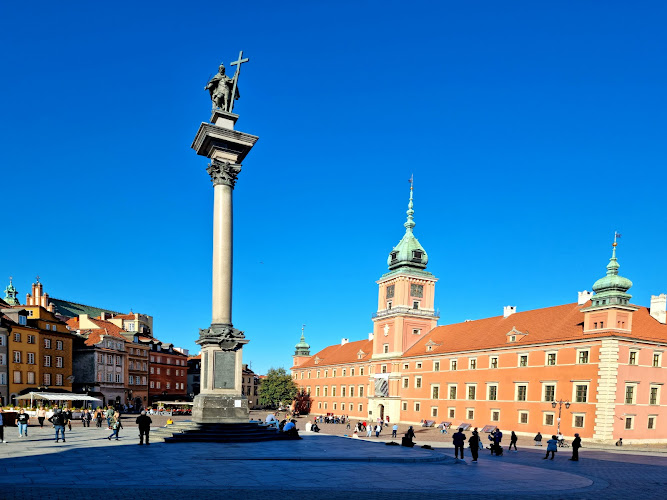
Quick answer: Day 1: Royal Old Town, Barbican & Castle Square. Begin at Castle Square under King Sigismund’s Column. Tour the opulent State Rooms of the Royal Castle. Wander through the Old Town Market Square and walk along the medieval ramparts of the Barbican into the New Town (Nowe Miasto). Enjoy lunch at a traditional Polish pierogarnia. In the afternoon, walk down the historic Royal Route, concluding with sunset river views along the Vistula Boulevards.
- Day 1: Royal Old Town, Barbican & Castle Square. Begin at Castle Square under King Sigismund’s Column. Tour the opulent State Rooms of the Royal Castle. Wander through the Old Town Market Square and walk along the medieval ramparts of the Barbican into the New Town (Nowe Miasto). Enjoy lunch at a traditional Polish pierogarnia. In the afternoon, walk down the historic Royal Route, concluding with sunset river views along the Vistula Boulevards.
- Day 2: Jewish Heritage, Warsaw Uprising & Modern Skyline. Spend the morning visiting the moving exhibits of the POLIN Museum and the Warsaw Ghetto Heroes Monument. In the afternoon, explore the interactive galleries of the Warsaw Rising Museum. Head to the city center to ascend to the 30th-floor terrace of the Palace of Culture and Science for twilight skyline views, followed by dinner at a historic Milk Bar or craft brewery.
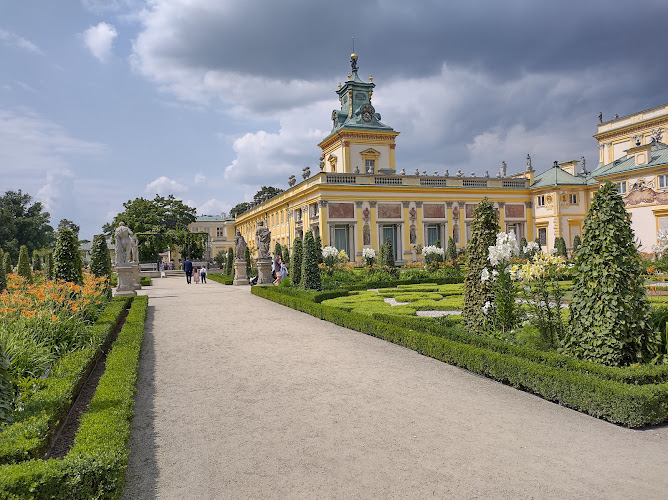
- Day 3: Chopin’s Melody, Łazienki Park & Wilanów Palace. Stroll through Łazienki Park in the morning, admiring the neoclassical Palace on the Isle and attending a live outdoor Chopin recital. In the afternoon, take a short bus ride south to the baroque “Polish Versailles” at Wilanów Palace and its French-style formal gardens. Spend your evening sampling craft vodka and artisanal dining in the converted factory halls of the Koneser Centre in Praga.
Authentic Polish Cuisine & Milk Bar Culture
Quick answer: Handmade Pierogi: Poland’s beloved stuffed dumplings, boiled and pan-fried with caramelized onions. Savor classic Pierogi Ruskie (filled with mashed potatoes, farmer’s curd cheese, and fried onions), seasoned minced pork/beef, or wild forest mushrooms and sauerkraut.
- Handmade Pierogi: Poland’s beloved stuffed dumplings, boiled and pan-fried with caramelized onions. Savor classic Pierogi Ruskie (filled with mashed potatoes, farmer’s curd cheese, and fried onions), seasoned minced pork/beef, or wild forest mushrooms and sauerkraut.
- Żurek: A deeply flavorful, traditional sour rye soup simmered with smoked Polish kielbasa sausage, diced potatoes, and a hard-boiled egg, often served inside an edible hollowed-out round loaf of crusty sourdough bread.
- Kotlet Schabowy: A tender, breaded, and pan-fried pork cutlet served with buttery boiled potatoes sprinkled with fresh dill and sweet-and-sour braised red cabbage.
- Traditional Milk Bars (Bary Mleczne): Historic, state-subsidized cafeteria-style canteens dating back to the Communist era, serving hearty, authentic home-cooked Polish meals at unbeatable prices (– USD per full meal). Iconic spots include Bar Prasowy, Bar Bambino, and Bar Mleczny Rusałka.
- Polish Pączki & Sernik: Fluffy, deep-fried brioche-style donuts filled with wild rosehip jam and glazed with orange zest sugar, alongside rich Polish baked curd cheesecake (sernik).
Practical Travel Tips, Transit & Budget
Seasonal Timing, Crowd & Pacing Matrix
| Season / Months | Weather & Crowd Reality | Standout Experiences | Planning Strategy |
|---|---|---|---|
| Spring (March to May) | Cool and changeable early on, warming through May. Crowds build gradually, with school groups in May. | Blossoms in Łazienki Park, the reopening of riverside cafés and the Vistula beaches, and Chopin recitals. | Pack layers and a rain shell. Book major museums and concerts ahead for May, the start of peak season. |
| Summer (June to August) | Warm to hot with long evenings. Busiest and priciest, especially around the Old Town and weekends. | Open-air Chopin concerts in Łazienki, Vistula riverfront life, Praga nightlife and outdoor dining. | Reserve rooms and dinners early, visit museums in the heat of the afternoon, and plan outdoor time for mornings and evenings. |
| Autumn (September to October) | Mild and often sunny in September, then cooler and wetter. Crowds thin after the start of term. | Park colors, museum-heavy days, concerts and the start of the cultural season. | Often the best value-to-weather balance. Book a flexible rate and keep a rain plan of museums and milk bars. |
| Winter (November to February) | Cold, dark and sometimes snowy, with the fewest visitors and the lowest hotel rates. | Christmas markets in the Old Town and Royal Route lights, cozy milk bar and pierogi meals, and uncrowded museums. | Pack proper winter gear, plan indoor-focused days, and check opening days for museums around holidays. |
Most visitors arrive at Warsaw Chopin Airport, where the suburban rail link and city buses reach Śródmieście in roughly half an hour, and long-distance trains from Kraków, Gdańsk and Berlin arrive at Warszawa Centralna. Buy a time-based ZTM ticket in the app or at machines and validate it if it is paper. Use the M1 and M2 metro lines for longer hops, trams along the Vistula and into Praga, and your feet for the Old Town and Royal Route. Check ZTM for current disruptions before you travel.
Quick answer: Public Transit (ZTM Metro, Trams & Buses): Warsaw boasts an exceptionally clean, punctual, and inexpensive transit system comprising two underground metro lines (M1 and M2), extensive tram routes, and buses. Buy digital tickets via the Jakdojade mobile app or tap contactless payment directly at onboard ticket vending machines (a 75-minute single-transfer ticket costs ~4.40 PLN / ~.10 USD; a 72-hour pass is ~36 PLN / ~ USD).
- Public Transit (ZTM Metro, Trams & Buses): Warsaw boasts an exceptionally clean, punctual, and inexpensive transit system comprising two underground metro lines (M1 and M2), extensive tram routes, and buses. Buy digital tickets via the Jakdojade mobile app or tap contactless payment directly at onboard ticket vending machines (a 75-minute single-transfer ticket costs ~4.40 PLN / ~.10 USD; a 72-hour pass is ~36 PLN / ~ USD).
- Airport Transit: Warsaw Chopin Airport (WAW) is located just 10 km from downtown. Fast S2 and S3 SKM commuter trains connect the airport terminal directly to Warszawa Centralna station in just 20 minutes for a standard ~4.40 PLN transit fare.
- Currency & Contactless Payments: Poland uses the Polish Złoty (PLN) (approx. 4.0 PLN = USD). Poland is virtually cashless; contactless credit cards and mobile wallets (Apple Pay / Google Pay) are accepted everywhere, from street food stalls to public restrooms.
- Daily Budget Breakdown:
- Budget traveler: compare current low-cost lodging, meals, and transport before booking (hostel dorms or budget apartments, dining at milk bars, public transit 3-day pass, free museum days).
- Mid-range traveler: allow for a comfortable hotel, paid attractions, and meals, then check current rates (3-star or 4-star boutique hotel in Śródmieście or Old Town, full sit-down dinners with craft beer, entry to all museums and palace exhibits).
- Luxury traveler: allow for premium lodging, private activities, and higher-end dining after checking current rates (5-star historic luxury hotels like Hotel Bristol or Raffles Europejski Warsaw, Michelin-starred tasting menus, private chauffeur tours).
Frequently Asked Questions
Is Warsaw safe for international travelers?
Warsaw is ranked among the safest capital cities in Europe. Violent crime rates are exceptionally low. Standard big-city awareness regarding pickpocketing in crowded transit hubs and tourist plazas like Castle Square is sufficient.
Which days are Warsaw’s museums free to visit?
Many of Warsaw’s premier museums offer free admission on specific days of the week: the Royal Castle is free on Wednesdays, the Warsaw Rising Museum is free on Mondays, the POLIN Museum of the History of Polish Jews is free on Thursdays, and the National Museum is free on Tuesdays.
How much English is spoken in Warsaw?
English is widely and fluently spoken across Warsaw, particularly by hospitality staff, younger residents, transit ticket interfaces, and museum personnel. Menus and street signage in central districts feature clear English translations.
Affiliate placeholder: Compare accommodation options after checking the official property details, location, and cancellation terms.
Affiliate placeholder: Check current activity availability, meeting points, accessibility, and cancellation terms before reserving.
Sources and current planning links
Explore more destinations.ai travel guides when building a longer route.
For a longer regional route, compare Amsterdam, Paris, London, Vienna, Rome with this destination before finalizing your itinerary.
Explore Warsaw by Category: Discover top curated spots across Warsaw Attractions & Sightseeing, Best Places to Stay in Warsaw, Warsaw Restaurants & Dining, Warsaw Conference center, Warsaw Wedding venue, Warsaw History museum, Warsaw Polish restaurant, Warsaw Cocktail bar.
Where to Stay: Neighborhood Trade-Off Matrix
Neighborhood / Area Best For Vibe & Walkability Key Trade-Off Śródmieście (City Centre) First-timers, short stays, rail arrivals Busy, central and highly walkable, with the metro, trams and the Palace of Culture and Science as landmarks. Wide boulevards and heavy traffic feel less intimate, and some blocks are quiet and corporate at night. Stare Miasto (Old Town) History lovers, first evenings, photography Rebuilt cobbled streets and the Market Square; fully walkable and atmospheric. Touristy dining, higher room prices and noise from late-night crowds on summer weekends. Powiśle Riverside walks, cafés, couples Relaxed and youthful, close to the Vistula boulevards, the Copernicus Science Centre and the university library gardens. Fewer big-name hotels, and the hill up to the centre adds a short climb or tram ride. Praga (Praga-Północ) Nightlife, street art, creative scene, budget-minded travelers Gritty-meets-gentrifying, with former factory spaces, courtyards and bars. Walkable within itself, with the metro and bridges connecting to the centre. Uneven streets and less polish; a few blocks still feel rough at night, so choose your address carefully. Mokotów / Dolny Mokotów Families, longer stays, business travelers Leafy, residential and calm, with Pole Mokotowskie park and good local restaurants. You rely on trams or the metro for sightseeing, and evenings are quiet. Żoliborz Slow travel, locals-style stays, green spaces Interwar villa streets, small cafés and a village feel, with the metro reaching nearby stops. Farthest from the major sights and with limited hotel choice, so most stays are apartments. Choose Śródmieście if this is your first visit and you want maximum time on foot with easy metro access. Pick the Old Town only if atmosphere outweighs price and noise, Powiśle if you prefer river walks and cafés, and Praga if you want nightlife and a more local texture. Mokotów and Żoliborz suit longer or calmer trips, where you accept a short tram ride to reach the main sights.
Explore Warsaw by Category
- Attractions in Warsaw (29)
- Hotels in Warsaw (20)
- Museums in Warsaw (19)
- Restaurants in Warsaw (18)
- Polish restaurant in Warsaw (10)
- Cocktail bar in Warsaw (4)
- History museum in Warsaw (4)
- Wedding venue in Warsaw (4)
- Conference center in Warsaw (3)
Top Verified Places in Warsaw
- Royal Łazienki Park (4.8★ · 87,046)
- InterContinental Warsaw, an IHG Hotel (4.7★ · 7,044)
- GOŚCINIEC Polskie Pierogi (4.7★ · 9,264)
- The Alchemist – Grzybowska (4.6★ · 1,306)
- The Royal Castle in Warsaw (4.7★ · 52,269)
- Palace of Culture and Science (4.6★ · 73,424)
- Sofitel Warsaw Victoria (4.7★ · 5,798)
- Stary Dom (4.7★ · 8,874)
- Bursztynowa Bistro (4.8★ · 810)
- The Warsaw Rising Museum (4.7★ · 35,325)
- The Westin Warsaw (4.6★ · 4,356)
- Hotel Indigo Warsaw – Nowy Swiat, an IHG Hotel (4.7★ · 1,028)
- Hilton Warsaw City (4.5★ · 6,294)
- Zapiecek (4.4★ · 7,945)
- Restauracja Różana (4.7★ · 5,472)
- Restauracja Bubbles Warszawa (4.5★ · 1,081)
- POLIN Museum of the History of Polish Jews (4.6★ · 18,989)
- Sheraton Grand Warsaw (4.5★ · 4,066)
- Teatro Hotel – Warszawa (4.7★ · 280)
- Museum of King Jan III's Palace at Wilanów (4.7★ · 26,834)
- Czerwony Wieprz | restauracja polska Warszawa Śródmieście (4.4★ · 5,644)
- The Alchemist Poznańska (4.5★ · 476)
- Museum of Fryderyk Chopin in Warsaw (4.5★ · 5,803)
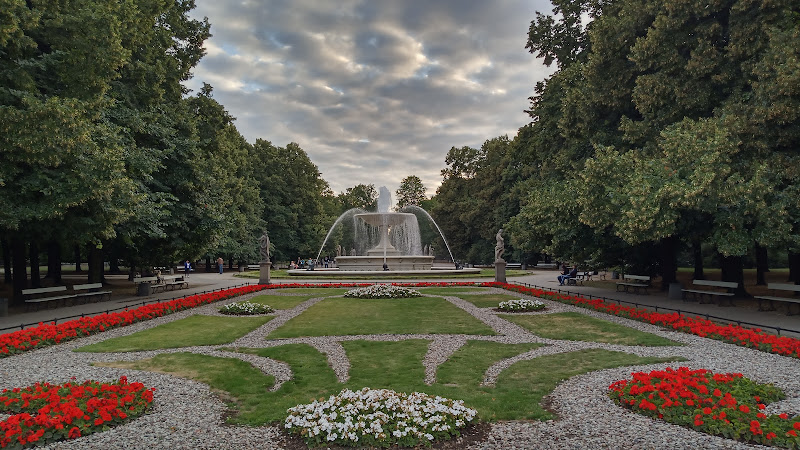
- Saxon Garden (4.7★ · 27,204)