Editorial disclosure: This destinations.ai guide was prepared with AI assistance and checked against the official sources linked below. Accommodation and activity placeholders may use affiliate links; that does not change the planning advice.
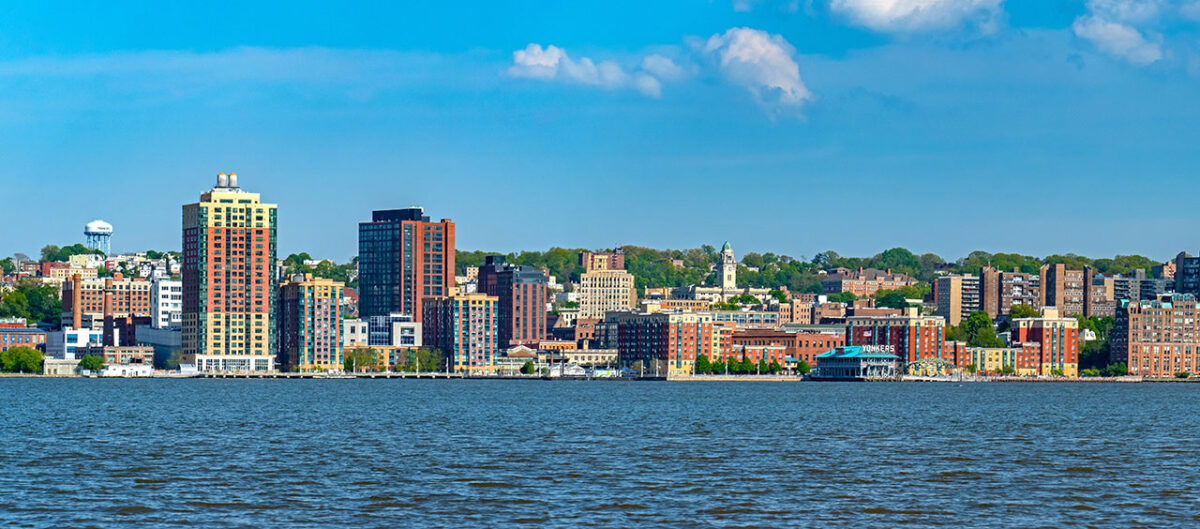
Yonkers, New York, sits on the Hudson River immediately north of New York City, giving you a compact Westchester County break with gardens, historic sites, waterfront walks, and easy rail access. You can experience Yonkers well in two days by pairing its riverfront landmarks with one major garden or park visit each day.
This Yonkers travel guide is best for you if you want a destination that feels connected to Manhattan while keeping the pace focused on local history, green space, and neighborhood dining. Start downtown near the train station for the waterfront, then use a car or rideshare for attractions farther east and north.
Key Takeaways
- You will find Yonkers strongest for gardens, river views, museums, and history.
- You will get the smoothest trip by combining rail travel with rideshares or a car.
- You should reserve timed attractions and confirm seasonal hours before leaving.
Quick Answers and Trip Profile
Yonkers suits you best as a two- or three-day Hudson River city break, a New York City add-on, or a relaxed Westchester County base. You are visiting New York State’s fourth-largest city, positioned along the eastern bank of the Hudson River at the northern edge of New York City.
- Best for: Gardens, local history, families, river walks, and short train-based escapes.
- Ideal trip length: Two full days, with a third day for shopping, parks, or nearby Hudson Valley towns.
- Closest New York City link: Metro-North service connects Yonkers with Grand Central Terminal; one travel guide cites a journey of about 30 minutes.
- Core sights: Untermyer Gardens Conservancy, Hudson River Museum, Philipse Manor Hall State Historic Site, Tibbetts Brook Park, and the Yonkers waterfront.
- Best base: Downtown or the waterfront for rail access; Ridge Hill for a hotel-and-shopping stay.
You will get a useful orientation from the City’s official Visit Yonkers page, which highlights the city’s cultural offerings, transit-friendly districts, and green spaces. Build your days around geography: downtown and Getty Square form one cluster, while Untermyer Gardens, Tibbetts Brook Park, and Ridge Hill require separate travel time.
Best Things to Do in Yonkers, New York, United States
You should prioritize Untermyer Gardens, the Hudson River Museum, Philipse Manor Hall, and the Hudson River waterfront because they give you Yonkers’ clearest sense of place. These stops work well in daylight and leave room for a waterfront meal or evening entertainment.
Untermyer Gardens Conservancy is the essential stop. The historic estate garden is known for its Indo-Persian-inspired Walled Garden, water features, formal plantings, and Hudson River overlook.
Wear shoes with grip, since paths and stairs create uneven footing in places. Check the garden’s current visitor information before you go because access details and seasonal conditions change.
Hudson River Museum gives you art, regional history, and river views in one visit. Its permanent setting also includes Glenview, a Victorian-era historic home, and the museum’s planetarium programming makes this an especially useful rainy-day choice for you and your family.
Leave enough time to move between galleries and the historic house at an unhurried pace. You may find that the combination works better than trying to rush through every exhibition.
Philipse Manor Hall State Historic Site brings you into Yonkers’ colonial-era past inside the city’s oldest building, dating to 1682. You will see why this site is more than a house museum: its interpretation connects the Philipse family, the Hudson River economy, enslavement, the American Revolution, and the communities that shaped modern Yonkers.
The Yonkers waterfront and Getty Square are your best choices for an easy central stroll. Walk from the Yonkers Metro-North station toward the river, pause at the daylighted Saw Mill River area, and continue through the downtown core.
A current overview of Yonkers attractions and trip ideas identifies the city as a Hudson River destination with free historic gardens and riverfront cultural stops.
For an indoor night out, look for current programming at local cinemas, comedy venues, live-music spaces, or Empire City Casino by MGM Resorts. Check each venue directly before planning your evening because schedules, admission policies, and age requirements vary by event.
History, Culture, and Local Character
You will understand Yonkers best as a Hudson River city shaped by Dutch colonial landholding, industry, immigration, and its long relationship with New York City. Its name derives from “jonkheer,” a Dutch honorific associated with early landowner Adriaen van der Donck.
At Philipse Manor Hall, focus on the layers of the site’s story. The manor belonged to one of colonial New York’s largest estates, and its history includes Indigenous people, enslaved Africans, tenant farmers, Loyalists, Patriots, and later city residents.
You will gain more from a guided interpretation or current exhibit notes than from treating the building as a quick photo stop. There’s a lot of history compressed into the site.
The Hudson River Museum adds a visual and civic perspective through American art, exhibitions, and Glenview’s preserved interiors. Pair it with time outdoors along the river so you can connect the art and history with the landscape that made Yonkers an industrial and residential center.
Downtown’s local character is most visible around Getty Square, where you will find transit activity, independent businesses, civic buildings, and access to the river. Yonkers also has distinct Italian-American, Latino, Caribbean, South Asian, Irish, African American, and immigrant communities, reflected in the city’s restaurants and small businesses.
Give yourself time to browse beyond a single waterfront block. If you enjoy art spaces, seek out current exhibitions and open-studio dates at YoHo Artist Studios.
This former industrial area helps you see Yonkers as a working city with an active creative community, not solely a stop between Manhattan and the Hudson Valley.
Neighborhoods, Parks, and Outdoor Activities
You will find Yonkers easiest to explore by treating it as several districts, each with a different purpose: downtown for transit and the river, northwest Yonkers for gardens and museums, and eastern Yonkers for retail and park access. A car, rideshare, or local bus saves considerable time between these areas.
Downtown Yonkers and the Waterfront work well for your arrival day. You can walk from the rail station to Getty Square, riverfront paths, public art, and restaurants.
Stay alert at crossings and around busy transit areas, particularly after dark, as you would in any active urban center.
Northwest Yonkers gives you the Hudson River Museum, Untermyer Gardens, and residential streets with elevated river views. This is a rewarding daytime area, though its hills make walking between attractions more strenuous than a map suggests.
Tibbetts Brook Park is your practical choice for recreation, with walking space and seasonal facilities. Confirm opening dates, parking rules, and any pool or splash-area requirements through Westchester County before you make it a centerpiece of your day.
The park also links naturally with the broader South County Trailway corridor for cycling and longer rides. Sprain Ridge Park and nearby wooded areas suit you when you want a more active outing.
Bring water, use established trails, and check weather conditions after heavy rain. For a longer cycling plan, the Old Croton Aqueduct and regional trail networks make worthwhile extensions beyond city limits.
For a shopping-focused break, Ridge Hill combines stores, dining, entertainment, and hotels in a car-oriented setting. You will appreciate it most when you want an easy indoor option during rain, winter weather, or a low-key evening.
Where to Stay and What to Eat
You should choose your Yonkers hotel by daily logistics: downtown and the waterfront serve rail travelers, while Ridge Hill and the Central Avenue corridor suit you if you have a car. Yonkers has limited traditional tourist lodging in its historic core, so location often outweighs a scenic address.
For rail access and an urban feel, look near downtown Yonkers and the Hudson River. You will be close to Metro-North, waterfront restaurants, and Getty Square, though your room choices may be fewer than in larger nearby cities.
For a dependable car-friendly base, consider Hyatt Place New York/Yonkers, Courtyard Yonkers Westchester County, or Residence Inn Yonkers Westchester County.
Check each property’s current parking policy, breakfast arrangement, accessible-room features, and shuttle availability before booking. Those details can make a bigger difference here than a slightly lower nightly rate.
Your food plan should follow neighborhoods. Downtown and the waterfront work for Italian restaurants, contemporary American menus, cafes, and river-view dining.
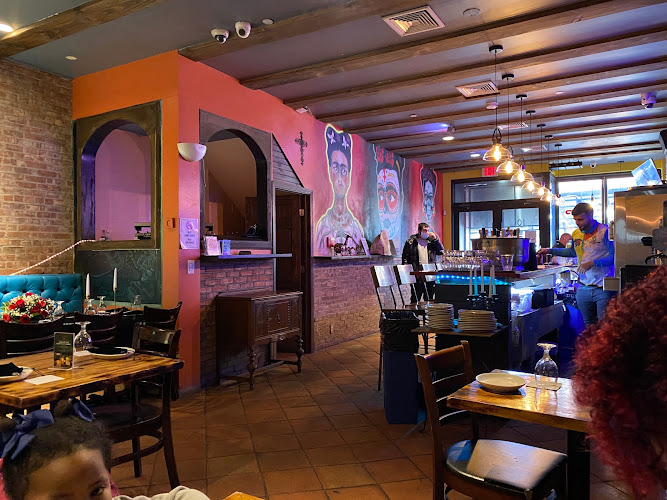
Central Avenue and the city’s residential commercial corridors give you a broader selection of Latin American, Caribbean, South Asian, Middle Eastern, and classic pizzeria options. Choose restaurants by the meal you want, then confirm hours directly.
A waterfront table is attractive at sunset, while a small neighborhood restaurant often gives you a more personal view of Yonkers’ food culture. Weekends bring higher demand, so reserve dinner when you have a fixed schedule.
How to Get There and Get Around
You can reach Yonkers easily by train, car, or airport connection, while a car or rideshare gives you the most efficient access to attractions beyond downtown. Your best route depends on whether you plan to spend most of your time near the river or across the wider city.
By train: Metro-North Railroad’s Hudson Line serves Yonkers from Grand Central Terminal, and the Yonkers station is a useful arrival point for the waterfront. Amtrak also serves Yonkers, giving you an intercity option along the Hudson corridor.
Confirm timetables, track assignments, and service advisories before departure. A small schedule change can affect a tightly planned day.
By air: Westchester County Airport, LaGuardia Airport, John F. Kennedy International Airport, and Newark Liberty International Airport all give you access to Yonkers. Westchester County Airport is geographically convenient, while the New York City-area airports offer broader flight networks.
Your ground-transfer time varies sharply with traffic. Allow extra time during weekday rush periods.
By car: Major parkways and Interstate 87 approach Yonkers from different directions. Parking is available at many hotels and retail centers, while downtown availability changes by street, garage, time, and event activity.
Read posted restrictions carefully before leaving your vehicle. Enforcement and event-related changes can complicate an otherwise simple stop.
Within Yonkers: Use walking for the waterfront and Getty Square, Bee-Line buses for selected cross-city trips, and rideshare for point-to-point travel. The city’s hills and dispersed attractions mean an itinerary based entirely on foot consumes time quickly.
If you are planning a larger driving vacation, these road-trip planning steps will help you organize parking, stops, and daily mileage.
Best Time to Visit and Seasonal Planning
You will enjoy Yonkers most in late spring and early fall, when garden visits and river walks are comfortable and the city’s outdoor spaces are at their most inviting. One seasonal assessment places May through October within a roughly 10°C to 29°C range, though daily weather still varies.
Spring is ideal for Untermyer Gardens, emerging greenery, and museum-plus-garden days. Bring a rain layer and confirm garden conditions after storms.
Spring weekends also reward early arrival, especially when flowers are drawing regional visitors. Summer gives you the longest outdoor days and active waterfront dining.
Plan gardens and parks in the morning, then use the Hudson River Museum, shops, or a meal indoors through the hottest part of the afternoon. Sunscreen and water are essential for exposed paths.
Fall is a strong season for foliage, historic-site visits, and trail rides. You will find cooler temperatures for walking, though weekend demand rises around peak leaf color.
Book accommodations earlier if your dates coincide with popular Hudson Valley weekends. Winter suits you if you prefer museums, restaurants, shopping, and indoor entertainment.
Snow and ice can affect walking conditions, while holiday closures and reduced garden access require closer planning. For broader timing advice, use these principles for choosing the best time of year for a vacation alongside the forecast for your exact dates.
A Practical Two- or Three-Day Itinerary
Structure your Yonkers itinerary by area, keeping downtown together and reserving a separate block for gardens and northern attractions. This pace gives you time to absorb the city without spending most of the day in transit.
- Day 1: Downtown, waterfront, and history. Arrive at Yonkers station or park downtown. Walk the waterfront and Getty Square, then visit Philipse Manor Hall State Historic Site if it is open. Have lunch nearby, spend late afternoon at the Hudson River Museum, and reserve dinner along the waterfront or in downtown.
- Day 2: Gardens and outdoor time. Begin at Untermyer Gardens Conservancy when temperatures are cooler. Continue to Tibbetts Brook Park for a walk or family recreation, then use Ridge Hill for shopping, a movie, or dinner. This pairing works well because both stops sit away from the downtown rail core.
- Day 3: Choose your interest. Build a culture day around YoHo Artist Studios and a return to favorite downtown spots, or make an outdoor day around regional trails and parkland. Families can substitute additional pool, playground, or cinema time after confirming seasonal operations.
Keep one indoor alternative ready for rain: the Hudson River Museum, a movie theater, retail centers, or a longer meal. Your schedule will work better if you confirm public-holiday closures and timed-entry policies before assigning a sight to a specific day.
If you are extending into Manhattan, focus that day on a single district. You’ll avoid a rushed commute by using a targeted list of things to do in New York City near your chosen station or neighborhood.
Costs, Safety, Accessibility, and Reservations
You can control a Yonkers trip budget by using rail travel, free waterfront time, and garden visits while reserving funds for lodging, dining, parking, and rideshares. Hotel rates fluctuate with weekday business demand, holidays, events, and the wider New York metropolitan market, so compare refundable options before committing.
Your biggest variable expense is lodging. A downtown location may reduce local transport costs, while a Ridge Hill hotel may simplify parking and evening meals. Build a daily transport allowance if you plan to move between Untermyer Gardens, Tibbetts Brook Park, and the waterfront without a car.
Yonkers rewards standard city awareness. Keep valuables secure, stay aware at transit stops and parking areas, use well-lit routes after dark, and choose licensed taxis or established rideshare services for late-night travel. Emergency services are reached by dialing 911 in the United States.
Accessibility varies widely by attraction. Historic houses have structural limitations, hillside gardens include grades and steps, and riverfront sidewalks offer the most straightforward mobility experience. Contact each venue before your visit for current accessible entrances, restrooms, seating, service-animal policies, sensory considerations, and companion arrangements.
Reserve hotel rooms, popular dinner times, ticketed museum programs, and major entertainment in advance. You should also check whether a garden, historic site, park facility, or cultural program uses timed entry, weather closures, or seasonal calendars. For a cost-conscious approach, use these affordable travel planning ideas to set a lodging ceiling and track transport expenses before booking.
Sources and Current Planning Links
Confirm operational details through primary visitor channels shortly before departure, especially after storms, during holidays, and when traveling with accessibility needs.
- City of Yonkers visitor information for local attractions, city updates, and visitor orientation.
- Current Yonkers attraction listings for recent traveler feedback and activity ideas.
- Yonkers travel logistics overview for transportation and accommodation research.
- A current Yonkers destination overview for additional planning inspiration.
- Yonkers outdoor route listings for trail and activity ideas.
Frequently Asked Questions
Yonkers is worthwhile for a short Hudson River getaway, especially when you want gardens, cultural attractions, and rail access to New York City. Its strongest experiences are spread across several districts, so your visit benefits from a simple transport plan.
Is Yonkers, New York worth visiting?
Yonkers is worth visiting if you want a compact trip built around Untermyer Gardens, Hudson River scenery, local history, and museum time. You’ll get the most value from an overnight or weekend stay, though the city also works as a day trip from Manhattan.
What is Yonkers best known for?
Yonkers is best known for its Hudson River location, Untermyer Gardens, Philipse Manor Hall, the Hudson River Museum, and its connection to New York City. You’ll also find an active downtown waterfront and a mix of historic, industrial, and residential neighborhoods.
What are the best things to do in Yonkers with families?
Families will enjoy the Hudson River Museum and planetarium programming, Untermyer Gardens, Tibbetts Brook Park, waterfront walks, and cinema options at retail centers. Confirm age guidance, seasonal park facilities, timed tickets, and stroller access with each attraction before you leave.
What is the nicest area to stay in Yonkers?
Downtown and the waterfront are the nicest areas when train access, dining, and Hudson River walks are your priority. Ridge Hill is a strong choice when you want modern hotels, parking, shops, and easy access to eastern Yonkers.
Is Yonkers safe for visitors?
Yonkers is suitable for visitors who use normal urban travel awareness and plan transportation thoughtfully. Stay attentive around transit hubs and parking areas, keep to well-lit routes after dark, and use a rideshare for late-night trips between distant neighborhoods.
What day trips can you take from Yonkers?
From Yonkers, you can take easy day trips to Manhattan, Sleepy Hollow, Tarrytown, and other Hudson River towns by train or car. Manhattan is the simplest rail trip, while Sleepy Hollow and Tarrytown offer historic sites, river views, and seasonal Hudson Valley activities.
Affiliate placeholder: Compare accommodation options after checking the official property details, location, and cancellation terms.
Affiliate placeholder: Check current activity availability, meeting points, accessibility, and cancellation terms before reserving.