Greenwood Rising Black Wall St. History Center is a narrative-driven history museum at 23 N Greenwood Ave, Tulsa, OK 74120, in the Historic Greenwood District. Opened in 2021, it traces the rise of Black Wall Street, the 1921 Tulsa Race Massacre, and Greenwood’s continuing cultural and economic legacy through immersive media, artifacts, oral history, and places for reflection. Travelers come to understand one of the United States’ most consequential stories of Black entrepreneurship, racial violence, resilience, and renewal.
What to Expect at Greenwood Rising Black Wall St. History Center
The exhibition follows a chronological, experiential route rather than a conventional object-heavy museum format. Begin with the national and local conditions that shaped segregated Tulsa, then move into the early-20th-century Greenwood business district, where Black-owned hotels, shops, professional offices, churches, and entertainment venues earned the area its Black Wall Street nickname. Archival imagery, interpretive displays, projections, and first-person accounts make clear that Greenwood was a thriving neighborhood with its own institutions, not simply a prelude to tragedy.
The central galleries confront the events of May 31 and June 1, 1921, when white mobs destroyed much of Greenwood and displaced its Black residents. The experience addresses the violence, its aftermath, the long campaign for recognition, and present-day work toward racial reconciliation. Allow time to read the oral histories and sit with the reflective sections near the end. The center’s modern, media-rich installation is designed as a self-guided narrative; starting at opening time helps visitors take in the chronology before larger groups arrive. A retail shop offers books and keepsakes connected to Black Wall Street and Tulsa history.
- Black Wall Street story: Learn how Greenwood developed into a nationally known center of Black-owned enterprise in early-20th-century Tulsa.
- 1921 Tulsa Race Massacre galleries: Follow the destruction of the district, displacement of residents, and the difficult history of official silence that followed.
- Oral-history voices: Hear and read personal testimony that gives the historical timeline a human scale.
- Immersive media: Projection, sound, archival photography, and interpretive design create a focused, chronological visit.
- Present and future of Greenwood: End with the district’s rebuilding, remembrance, and continuing role in conversations about justice and reconciliation.
Greenwood Rising Black Wall St. History Center at a Glance
| Detail | Information |
|---|---|
| Address | 23 N Greenwood Ave, Tulsa, OK 74120 |
| Neighborhood / Area | Historic Greenwood District, north of downtown Tulsa |
| Operating Hours | Tuesday-Sunday, 10 a.m.-7 p.m.; closed Monday |
| Admission / Price Range | Paid admission; $$; purchase timed entry through the official ticket page |
| Recommended Visit Duration | 1.5 to 2 hours |
| Nearest Transit / Parking | Tulsa Transit stops on Greenwood Avenue and Archer Street; use nearby district street or public parking |
| Official Website & Phone | greenwoodrising.org · +1 539-867-3173 |
Visiting Tips, Getting There & Nearby Pairings
Reserve ahead through Greenwood Rising’s official ticket portal, particularly for weekends, school groups, and dates around the May 31-June 1 commemoration. Oklahoma residents receive free admission on the second Friday of each month through Freedom Fridays, while eligible Bank of America cardholders can use Museums on Us on the first full weekend of each month. Check the center’s official visit information before setting out for holiday changes, group arrangements, and current entry procedures.
The museum is a short walk from the historic Vernon African Methodist Episcopal Church, a Greenwood landmark that survived the 1921 massacre, and the John Hope Franklin Reconciliation Park, whose outdoor memorial landscape adds important context. ONEOK Field is also about a 10-minute walk south, making the center an especially meaningful daytime stop before a Tulsa Drillers game. Plan to arrive by transit via nearby Tulsa Transit stops or park in the surrounding Greenwood/downtown public spaces rather than expecting a large dedicated lot. Step-free public access and a largely level exhibition route accommodate wheelchair and stroller users; contact the center before arrival for specific mobility, sensory, or group-access needs.
Frequently Asked Questions
What are Greenwood Rising’s hours, and when is the best time to visit?
Greenwood Rising is open Tuesday through Sunday from 10 a.m. to 7 p.m. and closed Mondays. Arrive close to 10 a.m. for the quietest gallery experience and more time with the oral histories and reflective displays.
How much do tickets cost, and should I reserve in advance?
Admission is paid, with ticket categories and current rates listed on the official booking page. Advance online booking is the sensible choice for weekends and groups; qualifying Oklahoma residents can visit free on the second Friday of each month through Freedom Fridays.
How long should I budget for the history center?
Budget 90 minutes to two hours for the full narrative route. Visitors with a particular interest in Tulsa history, civil rights, or archival testimony should allow extra time for the massacre and legacy sections.
Is Greenwood Rising suitable for families and wheelchair users?
The center’s visual storytelling can engage older children and teenagers, though the 1921 massacre content is emotionally intense and merits parental context. The public visitor route is step-free and largely level for wheelchairs and strollers; contact the museum in advance for tailored accessibility support.
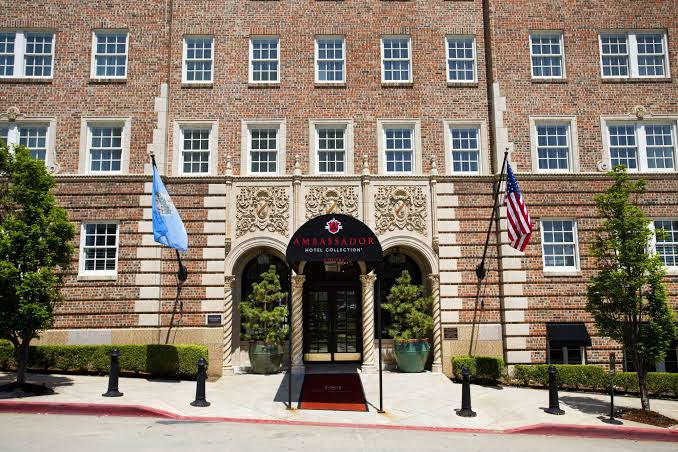
When planning your Tulsa travel guide or browsing verified history museum in Tulsa, pair this stop with standout local spots including Marriott Tulsa Hotel Southern Hills, Ambassador Hotel Tulsa, Autograph Collection, The Campbell Hotel, and French Hen (0.3 km away).