Editorial disclosure: This destinations.ai guide was prepared with AI assistance and checked against the official sources linked below. Accommodation and activity placeholders may use affiliate links; that does not change the planning advice.
Tulsa, Oklahoma, rewards you with a compact, culture-rich city break shaped by Art Deco architecture, Route 66 lore, Native American history, landmark museums, live music, and the Arkansas River. Its central districts are easy to explore on foot, while a car opens up riverfront parks, aviation attractions, and nearby prairie country.
You can have a satisfying Tulsa weekend in two days, while three days gives you time for museums, the Greenwood Historic District, and a slower look at the city’s neighborhoods. Plan around one or two major indoor attractions each day, especially in summer heat or during spring storm weather.
Then leave room for a park, a neighborhood walk, and a meal in the Arts District or along Cherry Street. This Tulsa travel guide focuses on the practical choices that make a short visit work: where to base yourself, which experiences deserve advance planning, and how to build a route without spending your trip crossing town.
Key Takeaways
- Stay Downtown for walkable access to Art Deco landmarks, arenas, music venues, and museums.
- Pair major museums with Gathering Place or River Parks for a balanced day.
- Spring and fall offer the most comfortable conditions for walking and outdoor plans.
Quick Answers and Trip Profile
Tulsa is worth visiting if you enjoy American music history, early-20th-century architecture, museum time, and a city break with room to breathe. You will find Oklahoma’s second-largest city along the Arkansas River, with Downtown, the Arts District, Greenwood, Cherry Street, and Kendall Whittier each offering a distinct reason to explore.
- Best trip length: Two full days for core sights; three days for a more relaxed pace and a day trip.
- Best area for first-time visitors: Downtown, especially near the Arts District, BOK Center, or the Blue Dome District.
- Signature experiences: Gathering Place, Philbrook Museum of Art, Greenwood Rising, Woody Guthrie Center, Route 66, and Art Deco architecture.
- Airport: Tulsa International Airport, about a 10-minute drive from Downtown.
- Getting around: Walk in central districts; use a rental car or rideshare for citywide sightseeing.
- Best weather window: Late April through mid-May, plus late September through mid-October, for comfortable outdoor sightseeing.
Tulsa feels most manageable when you group stops geographically. Downtown and the Arts District fit together well, while Philbrook, Gathering Place, and Cherry Street make a natural south-of-Downtown day. Check the current Official Tulsa Events & Visitors Guide before arrival for seasonal exhibitions, performances, and openings that may shape your schedule.
Best Things to Do in Tulsa, Oklahoma
Tulsa’s strongest attractions combine visual art, music heritage, local history, and outdoor public space. Choose a few anchors instead of trying to cover every museum in one visit, since several deserve unhurried time.
- Visit Gathering Place: This riverfront public park brings together imaginative playgrounds, gardens, paths, picnic areas, and gathering spaces. It is an excellent first stop if you are traveling with children or need an outdoor break between museum visits.
- Tour Philbrook Museum of Art: Set in a historic villa with formal gardens, Philbrook Museum of Art combines European, American, Native American, and contemporary art. Check timed-entry and exhibition details before choosing your visit day.
- Explore the Arts District: Spend time in the Tulsa Arts District for galleries, public art, restaurants, and music venues. The district is especially convenient in the evening when you are attending a concert or performance.
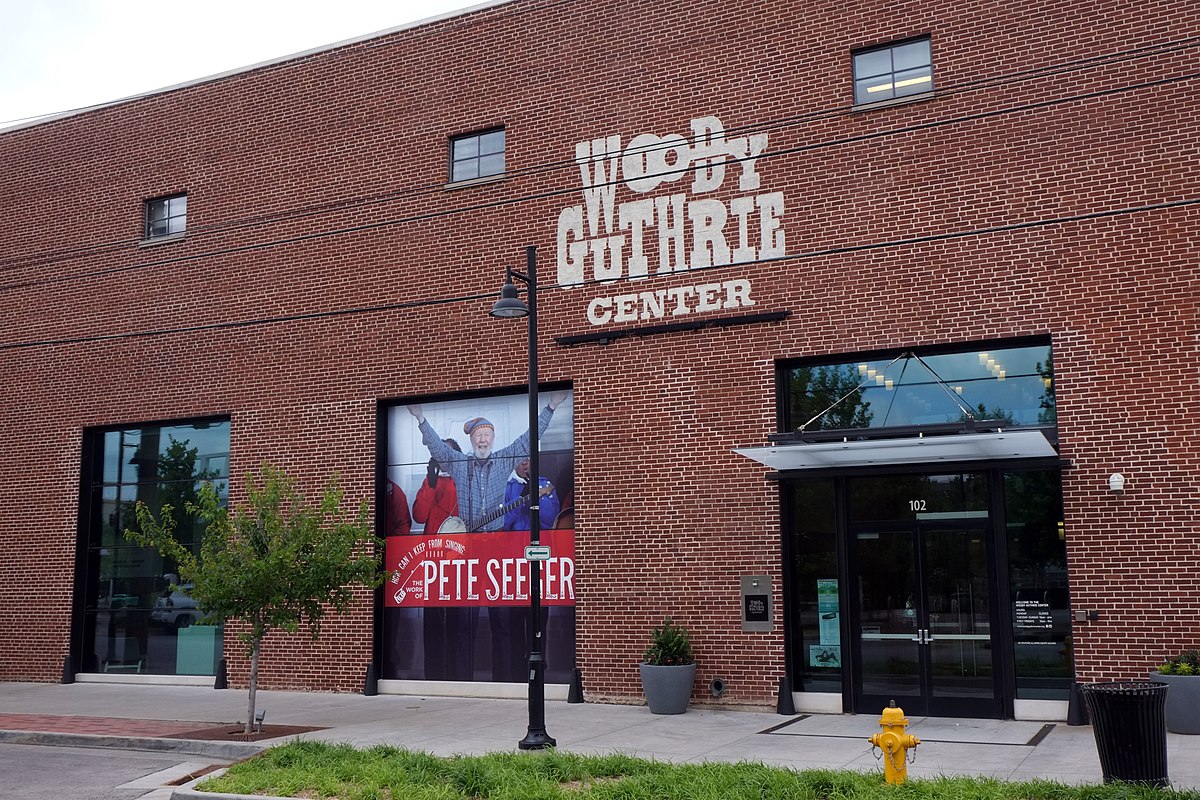
- Visit the Woody Guthrie Center: The center interprets Guthrie’s life, songwriting, activism, and archive. Pair it with nearby Bob Dylan Center programming if that collection is open during your dates.
- See Western art at Gilcrease Museum: This major collection places American West art alongside Native American artifacts and historical materials. Confirm reopening status, entry procedures, and gallery availability before you go.
- Walk Downtown Art Deco Tulsa: Look for the Philtower Building, Boston Avenue Methodist Church, Tulsa Union Depot, and the Art Deco District’s details. A self-guided architectural walk works well in cooler morning or late-afternoon light.
- Catch a show: Cain’s Ballroom and BOK Center host a changing calendar of concerts, sports, and touring performances. Buy tickets through official venue channels when an event is central to your trip.
For a broader list that includes Route 66 stops, indoor attractions, and museums, use the city’s Tulsa attractions guide. It is useful for matching your plans to current operating schedules.
History, Culture, and Local Character
Tulsa’s local character comes from the oil-boom wealth that shaped its skyline, the creative energy of its music institutions, and the essential history of Greenwood. Give Greenwood focused time, since its story is central to any meaningful visit.
Start with Greenwood Rising, where you can learn about Black Wall Street, the 1921 Tulsa Race Massacre, its survivors, and the continuing legacy of the Greenwood community. Approach the district with care: this is a living neighborhood as well as a historic place.
The nearby John Hope Franklin Reconciliation Park provides additional space for reflection. Downtown’s Art Deco buildings reflect the city’s 1920s oil-era growth, and Boston Avenue Methodist Church is among the most recognizable landmarks.
The lobbies and exterior ornament of Downtown towers make an architecture walk rewarding even if you never enter a museum. Music runs through Tulsa’s identity, too, with Woody Guthrie’s archive, Cain’s Ballroom, and the city’s connection to the Tulsa Sound offering useful entry points.
You can also seek out live jazz, rock, country, and singer-songwriter sets in the Arts District and Blue Dome District, with schedules changing week by week. For civic and regional context, include the Tulsa Historical Society Museum in a longer itinerary. Its exhibits help place the city’s oil industry, neighborhoods, architecture, and cultural development in context before you head out to explore.
Neighborhoods, Parks, and Outdoor Activities
Downtown is your best base for a first visit, while Tulsa’s adjacent neighborhoods add food, shopping, trails, and a more residential sense of place. Keep outdoor plans flexible in spring, when thunderstorms can affect an afternoon itinerary.
- Downtown and Blue Dome District: Choose this area for hotels, Art Deco walks, BOK Center events, bars, and easy access to the Arts District.
- Arts District: Browse galleries and cultural institutions by day, then return for dinner or music. It is compact enough for a relaxed walk.
- Greenwood: Visit for its historic importance, Greenwood Rising, local businesses, and thoughtful interpretation of Black Wall Street.
- Cherry Street: This corridor along 15th Street offers independent restaurants, cafés, and shops, with a neighborhood feel close to Philbrook and Utica Square.
- Kendall Whittier: Explore a growing district east of Downtown for casual dining, local businesses, and access toward Route 66 sights.
Gathering Place is the city’s standout park, while River Parks offers trails along the Arkansas River for walking, running, and cycling. Bring water during warm months and choose paved routes if you need predictable surfaces.
The park’s amenities and activity calendar change, so check current details before setting a fixed plan. For a more specialized outing, the Tulsa Air and Space Museum & Planetarium gives you a family-friendly indoor option near the airport area. It fits well on an arrival or departure day if you have a rental car.
Where to Stay and What to Eat
Stay Downtown for the easiest first-time Tulsa trip, especially if you want to walk to restaurants, music venues, and major landmarks. You will find historic hotels, boutique properties, and larger full-service options spread across Downtown and nearby districts.
The Tulsa Club Hotel, Curio Collection by Hilton suits you if an Art Deco setting and central location are priorities. For a casino-resort stay with entertainment on site, consider the Hard Rock Hotel & Casino Tulsa in Catoosa, east of central Tulsa.
That choice works best with a car or planned rides. Choose Cherry Street or the Utica Square area when restaurants, boutiques, and proximity to Philbrook appeal more than nightlife.
Select a hotel near the airport only for a short stay, early flight, or business appointment, since it places you away from the core visitor districts. Tulsa’s food scene includes barbecue, burgers, Mexican and Latin American cooking, Indigenous foodways, steakhouses, coffee shops, and inventive casual dining.
Look beyond a single “must-eat” list and pick restaurants near your day’s neighborhood. A Downtown dinner followed by live music saves you a second transportation trip; Cherry Street works especially well after Philbrook.
Book ahead for a prominent restaurant on Friday or Saturday nights, for celebratory meals, and when a major concert or sporting event fills Downtown. Menus, reservations, and opening days change, so confirm directly with the restaurant before committing your evening plan.
How to Get There and Get Around
Flying into Tulsa International Airport is the quickest arrival option, and driving is the most flexible way to explore the wider city. The airport sits about 10 minutes from Downtown, and six airlines serve TUL with more than 20 nonstop destinations, as outlined in current Tulsa airport information.
If you are driving, Tulsa is an easy stop on an Oklahoma road trip and along historic Route 66. Downtown parking garages and surface lots are common, though event nights bring higher demand.
Confirm parking rules at your hotel and venue before you leave your car for the evening. Walking works well inside Downtown, the Arts District, Blue Dome, and portions of Cherry Street, but distances between major attractions outside those clusters add up quickly.
That’s especially true between Gilcrease, the airport-area aviation museum, and the riverfront. A rental car gives you the best reach for a two- or three-day visit, while rideshare is useful for dinner, concerts, and airport transfers.
MetroLink Tulsa and Aero Bus Rapid Transit connect parts of the city with Downtown; consult Downtown transit guidance for current service information before relying on public transportation for a time-sensitive reservation.
Bike and scooter options appear in central areas, though availability changes. Use them for short, daylight trips on familiar routes, and follow local traffic rules around busy Downtown streets.
Best Time to Visit and Seasonal Planning
Late spring and early fall give you the most comfortable conditions for Tulsa’s parks, architecture walks, and outdoor dining. A useful planning window runs from late April through mid-May and again from late September through mid-October, when mild weather and outdoor festivals align.
Spring brings green landscapes and busy cultural calendars, along with a meaningful chance of thunderstorms and severe weather. Keep weather alerts active on your phone, and schedule a museum or indoor attraction as a backup for each outdoor-heavy day.
Summer suits you if concerts, pools, air-conditioned museums, and evening activities are your priorities. Plan Gathering Place, River Parks, and architecture walks early in the day, then reserve the warmest afternoon hours for Philbrook, Greenwood Rising, or another indoor attraction.
Fall is excellent for neighborhood walks and Route 66 drives. Winter offers lower-key city breaks, holiday programming, and comfortable museum time, though cold snaps and occasional ice can affect driving conditions.
Before booking, compare your dates with the city’s current events listings through Tulsa’s official trip-planning calendar. A major event can improve your trip if you want tickets, while it can also tighten hotel availability and Downtown parking.
A Practical Two- or Three-Day Itinerary
A practical Tulsa itinerary groups sights by location and keeps one flexible block each day for weather, rest, or a show. Start Downtown, then move south toward Philbrook and Gathering Place, leaving a third day for deeper history or a drive beyond the city.
Day 1: Downtown, Greenwood, and Live Music
Begin in the Greenwood Historic District with Greenwood Rising and John Hope Franklin Reconciliation Park. Continue Downtown for an Art Deco walk, stopping around Boston Avenue Methodist Church and the Philtower Building.
Spend the afternoon at the Woody Guthrie Center and nearby Arts District galleries. Have dinner in the Arts District or Blue Dome, then attend a performance at Cain’s Ballroom, BOK Center, or a smaller venue if the calendar fits your dates.
Day 2: Philbrook, Cherry Street, and the Riverfront
Reserve a morning slot at Philbrook Museum of Art and allow time for its gardens. Head to Cherry Street or Utica Square for lunch, shops, and a slower neighborhood walk.
Use the later afternoon at Gathering Place and River Parks. If you’re traveling with children, give the park a larger portion of the day. If architecture and dining matter more, return Downtown for an evening reservation.
Day 3: Choose Museums or a Day Trip
For a city-focused day, visit Gilcrease Museum, the Tulsa Historical Society Museum, or Tulsa Air and Space Museum & Planetarium. It’s also a good opportunity to add Route 66 landmarks and spend time in Kendall Whittier.
With a car, consider Bartlesville for Frank Lloyd Wright’s Price Tower and Phillips Petroleum history, or head toward the Tallgrass Prairie Preserve area for a prairie landscape outing. Check hours, road conditions, and reservation requirements before departing Tulsa.
Costs, Safety, Accessibility, and Reservations
You can control Tulsa trip costs by choosing a walkable hotel area, grouping paid attractions, and using parks and architecture walks to fill part of each day. Hotels, airfare, rental cars, restaurant checks, and attraction admission vary by date, so use live booking pages for current prices rather than relying on fixed estimates.
Build a daily plan around one major paid museum or ticketed experience, then add free stops such as Gathering Place, River Parks, Downtown Art Deco streetscapes, and public areas in Greenwood. For more ways to trim transportation and lodging expenses, use these affordable travel planning strategies while setting your trip budget.
Tulsa requires the same city awareness you’d use in any urban destination. Stay attentive after dark, keep valuables out of sight in parked vehicles, use well-lit routes around nightlife districts, and arrange a ride if you’ve been drinking. Ask your hotel desk about the most suitable walking route when heading beyond the central core.
Accessibility varies by historic building and venue. Major museums, hotels, and public attractions publish their own mobility, sensory, service-animal, parking, elevator, and companion-ticket policies. Contact each attraction before arrival if you need a wheelchair route, ASL interpretation, quiet hours, or specific seating accommodations.
Reserve ahead for Philbrook, special exhibitions, major concerts, popular restaurants, and any attraction with timed admission. Confirm opening hours shortly before your visit, particularly around holidays, weather disruptions, and exhibition changeovers.
Sources and Current Planning Links
Use official and destination-specific planning pages to confirm details immediately before you travel. Hours, admission policies, event schedules, airline routes, and temporary closures can change throughout the year.
- Official Tulsa Events & Visitors Guide for seasonal lodging, dining, attractions, and event ideas.
- Oklahoma’s Tulsa destination page for statewide tourism information and major attraction listings.
- Tulsa visitor and touring information for walking, biking, scooter, car, and guided-tour options.
- Tulsa city guides and maps for hotel-area and neighborhood planning.
- Tulsa destination overview for a quick starting point as you shape your itinerary.
Frequently Asked Questions
Tulsa is best approached as a culture-and-neighborhood destination, with several major attractions spread across a manageable city. These answers can help you choose the right priorities for the time you have.
What is Tulsa known for?
Tulsa is known for Art Deco architecture, Route 66, oil-boom history, the Greenwood Historic District, live music, and major cultural attractions. You’ll also find acclaimed public space at Gathering Place and significant collections at Philbrook Museum of Art and Gilcrease Museum.
What is a must-see attraction in Tulsa?
Gathering Place is a must-see Tulsa attraction because it combines riverfront scenery, gardens, paths, public art, and large-scale play areas in one accessible visit. Choose Philbrook Museum of Art as your priority if you prefer an art-and-gardens experience.
What are the best free things to do in Tulsa?
The best free things to do in Tulsa include Gathering Place, River Parks, Downtown Art Deco walks, and exploring public areas of the Greenwood Historic District. You can also browse neighborhood streets in the Arts District, Blue Dome District, Kendall Whittier, and Cherry Street without paying admission.
What can families do in Tulsa?
Families can spend a substantial part of a Tulsa trip at Gathering Place, then add the Tulsa Zoo or Tulsa Air and Space Museum & Planetarium. Check current age guidance, timed-entry rules, and daily programming before you go, especially during school breaks.
What is the best part of Tulsa to visit?
Downtown is the best part of Tulsa to visit first because it places you near Art Deco landmarks, the Arts District, Blue Dome, Greenwood, restaurants, and entertainment venues. Stay near Cherry Street or Utica Square when Philbrook, cafés, and a quieter evening setting are higher priorities.
What day trips can you take from Tulsa?
You can take a day trip from Tulsa to Bartlesville to visit Price Tower and explore regional history. Another option is driving toward Tallgrass Prairie Preserve country for wide-open prairie scenery.
Both outings require a car. Before leaving the city, confirm attraction hours, check the weather, and review driving conditions.
Affiliate placeholder: Compare accommodation options after checking the official property details, location, and cancellation terms.
Affiliate placeholder: Check current activity availability, meeting points, accessibility, and cancellation terms before reserving.