Editorial disclosure: This destinations.ai guide was prepared with AI assistance and checked against the official sources linked below. Accommodation and activity placeholders may use affiliate links; that does not change the planning advice.
Overview: Why Visit Agra
Agra, situated on the sacred banks of the Yamuna River in the northern Indian state of Uttar Pradesh (forming India’s world-famous Golden Triangle alongside Delhi and Jaipur), is the former imperial seat of the Mughal Empire. Between the 16th and 17th centuries, Mughal emperors Akbar, Jahangir, and Shah Jahan transformed Agra into a global center of art, culture, and architecture.
Home to three UNESCO World Heritage Sites—the peerless Taj Mahal (widely considered the greatest architectural achievement of the human race), the monumental red sandstone battlements of Agra Fort, and the abandoned 16th-century imperial capital of Fatehpur Sikri—Agra offers a breathtaking journey into imperial palaces, exquisite marble gemstone inlay (Pietra Dura), and rich royal Mughlai cuisine.
Best Time to Visit Agra
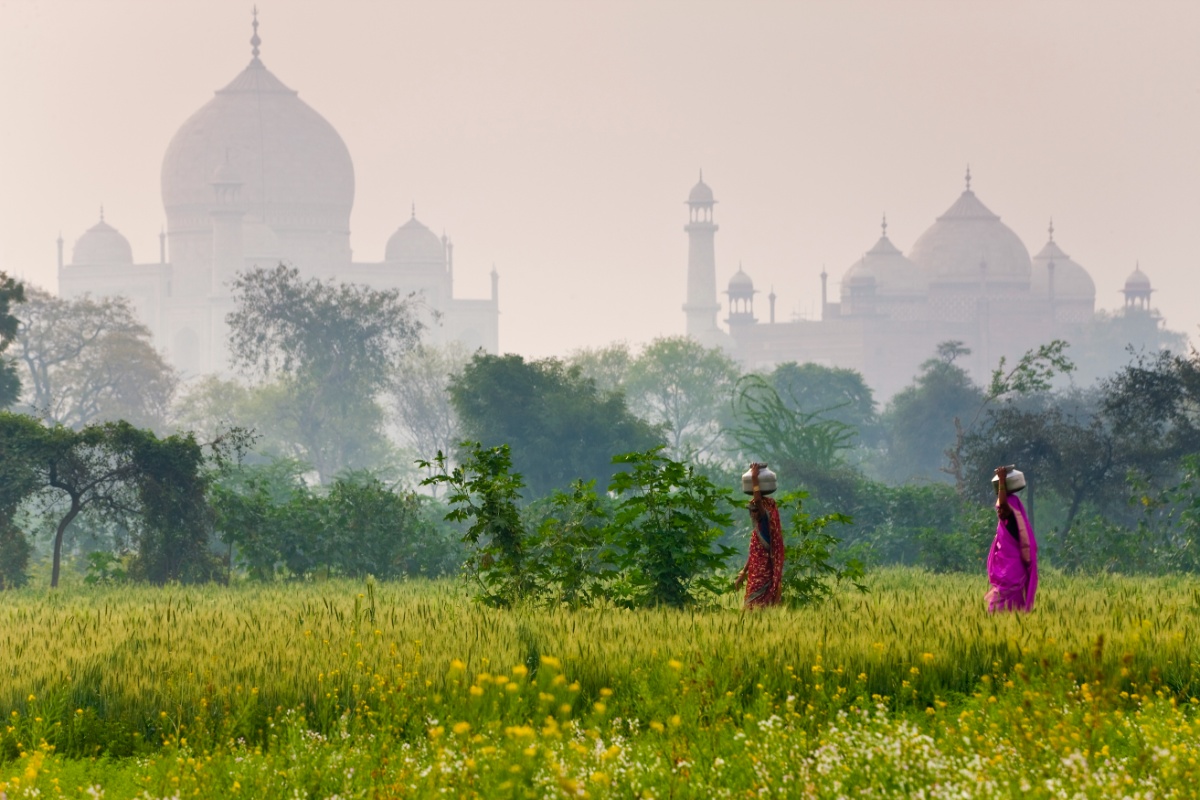
Quick answer: Winter (October to March): The premier season to visit northern India. Daytime temperatures are delightfully mild and pleasant, averaging 16°C to 24°C (61°F to 75°F) with cool, refreshing evenings. Ideal for watching the sunrise over the Taj Mahal and spending hours exploring massive outdoor stone fortress complexes. (Note: atmospheric morning mist occasionally occurs in late December and January).
- Winter (October to March): The premier season to visit northern India. Daytime temperatures are delightfully mild and pleasant, averaging 16°C to 24°C (61°F to 75°F) with cool, refreshing evenings. Ideal for watching the sunrise over the Taj Mahal and spending hours exploring massive outdoor stone fortress complexes. (Note: atmospheric morning mist occasionally occurs in late December and January).
- Autumn (October to November) & Spring (February to March): Crystal-clear blue skies, virtually zero rainfall, and comfortable temperatures make these months ideal for photography and outdoor garden strolls across the Yamuna River.
- Monsoon (July to September): Refreshing seasonal rains revitalize the lush Mughal Charbagh gardens and raise water levels in the Yamuna River. A rewarding window for travelers seeking dramatic cloudscapes, lush greenery, and fewer international crowds.
- Summer (April to June): Very hot and dry, with daily temperatures frequently exceeding 40°C to 44°C (104°F to 111°F). If visiting during summer, schedule all outdoor monument tours at dawn (6:00 AM) and spend afternoons in air-conditioned luxury hotels.
Key Attractions & UNESCO World Heritage Sights
Quick answer: The Taj Mahal: The undisputed jewel of Muslim art in India and a universal masterpiece. Commissioned in 1632 by Mughal Emperor Shah Jahan as an eternal mausoleum for his beloved Empress Mumtaz Mahal. Built over 22 years by 20,000 artisans using luminous white Makrana marble, the monument changes color with the sun—from soft grey-blue at dawn to blush pink and radiant gold. Tour the central dome, the delicate pierced marble screens ( jali ), and the intricate floral gemstone inlays ( Parchin Kari ). Note: The Taj Mahal is closed on Fridays for prayers.
- The Taj Mahal: The undisputed jewel of Muslim art in India and a universal masterpiece. Commissioned in 1632 by Mughal Emperor Shah Jahan as an eternal mausoleum for his beloved Empress Mumtaz Mahal. Built over 22 years by 20,000 artisans using luminous white Makrana marble, the monument changes color with the sun—from soft grey-blue at dawn to blush pink and radiant gold. Tour the central dome, the delicate pierced marble screens (jali), and the intricate floral gemstone inlays (Parchin Kari). Note: The Taj Mahal is closed on Fridays for prayers.
- Agra Fort (The Red Fort): A colossal 94-acre UNESCO World Heritage fortress on the banks of the Yamuna River, surrounded by massive 70-foot-tall double red sandstone ramparts. Explore the grand Jahangiri Mahal palace, the ornate Diwan-i-Am (Hall of Public Audience), the mirrored Sheesh Mahal, and the octagonal white marble Musamman Burj tower—where Shah Jahan was imprisoned by his son Aurangzeb in his final years, gazing across the river at the Taj Mahal.
- Fatehpur Sikri: Located 37 kilometers (23 miles) west of Agra. A remarkably preserved 16th-century red sandstone “ghost city” built by Emperor Akbar as his imperial capital and abandoned shortly after due to water shortages. Tour the towering 54-meter Buland Darwaza (“Gate of Magnificence”—the highest gateway in the world), the white marble Tomb of Salim Chishti, and the five-story pillared Panch Mahal palace.
- Mehtab Bagh (The Moonlight Garden): A 25-acre symmetrical Mughal Charbagh garden located directly across the Yamuna River from the Taj Mahal. Perfectly aligned with the monument, it offers peaceful, unobstructed sunset views and stunning water reflections away from the main monument crowds.
- Tomb of I’timād-ud-Daulah (“The Baby Taj”): A stunning, delicate marble mausoleum built between 1622 and 1628 on the eastern bank of the Yamuna. Pre-dating the Taj Mahal, it was the first Mughal structure built entirely from white marble and pioneered the exquisite Pietra Dura gemstone inlay techniques later perfected in the Taj Mahal.
Suggested 3-Day Agra Itinerary
Quick answer: Day 1: Arrival via High-Speed Rail, Red Fort & Sunset Gardens. Arrive from Delhi in the morning on the high-speed Gatimaan Express train. Check into your hotel and spend the afternoon exploring the grand halls and palaces of Agra Fort. At sunset, cross the Yamuna River to Mehtab Bagh for unforgettable sunset views and photography of the Taj Mahal. Savor a royal Mughlai dinner with live sitar music.
- Day 1: Arrival via High-Speed Rail, Red Fort & Sunset Gardens. Arrive from Delhi in the morning on the high-speed Gatimaan Express train. Check into your hotel and spend the afternoon exploring the grand halls and palaces of Agra Fort. At sunset, cross the Yamuna River to Mehtab Bagh for unforgettable sunset views and photography of the Taj Mahal. Savor a royal Mughlai dinner with live sitar music.
- Day 2: Sunrise at the Taj Mahal & Marble Inlay Workshops. Arrive at the Taj Mahal gates at dawn (5:45 AM) to witness the sunrise illuminate the white marble dome before the midday crowds arrive. Spend the morning exploring the gardens and mosques. In the afternoon, visit the Tomb of I’timād-ud-Daulah (“Baby Taj”) and browse authentic marble inlay artisan cooperatives in the historic quarter.
- Day 3: The Ghost City of Fatehpur Sikri. Take a morning excursion to the UNESCO World Heritage site of Fatehpur Sikri to tour the monumental Buland Darwaza and Akbar’s royal palaces. Return to Agra for a traditional lunch and sample famous Agra Petha sweets before taking the evening express train back to Delhi or on to Jaipur.
Royal Mughlai Gastronomy & Street Flavors
Quick answer: Imperial Mughlai Curries: Rich, slow-cooked royal heritage dishes simmered with fragrant whole spices, ground cashew nuts, saffron, and cream—including tender Mutton Korma , Murgh Musallam , and rich Shahi Paneer , served with buttery garlic naan.
- Imperial Mughlai Curries: Rich, slow-cooked royal heritage dishes simmered with fragrant whole spices, ground cashew nuts, saffron, and cream—including tender Mutton Korma, Murgh Musallam, and rich Shahi Paneer, served with buttery garlic naan.
- Authentic Kebabs: Succulent melt-in-your-mouth Galouti Kebabs, spiced minced mutton Seekh Kebabs, and smoky tandoori chicken marinated in yogurt and Kashmiri red chilies.
- Agra Petha: Agra’s world-famous signature confection—translucent candied ash gourd (winter melon) infused with pure saffron, rosewater, cardamom, or stuffed with pistachios and almonds (pioneered by legendary shop Panchhi Petha since 1950).
- Bedmi Puri & Aloo: A beloved Agra morning street breakfast: crisp, puffy deep-fried wheat puris stuffed with spiced lentil paste, served with spicy potato curry and tangy pumpkin chutney.
Practical Travel Tips, Transit & Budget
Quick answer: High-Speed Rail Transit (Gatimaan Express): The fastest and most comfortable way to reach Agra from New Delhi is aboard the Gatimaan Express (Train #12050) departing Hazrat Nizamuddin Station. This semi-high-speed, fully air-conditioned express train whisks travelers directly to Agra Cantonment (AGC) in just 1 hour and 40 minutes, featuring reserved seating and complimentary hot meals.
- High-Speed Rail Transit (Gatimaan Express): The fastest and most comfortable way to reach Agra from New Delhi is aboard the Gatimaan Express (Train #12050) departing Hazrat Nizamuddin Station. This semi-high-speed, fully air-conditioned express train whisks travelers directly to Agra Cantonment (AGC) in just 1 hour and 40 minutes, featuring reserved seating and complimentary hot meals.
- Taj Mahal Ticketing & Security: Purchase official ASI (Archaeological Survey of India) entry tickets online in advance to skip ticket booth lines. Strict security checks are enforced at entry gates: only mobile phones, cameras, and water bottles are permitted (no tripods, food, lighters, or electronics allowed inside).
- Daily Budget Breakdown:
- Budget traveler: compare current low-cost lodging, meals, and transport before booking (clean guesthouse near South Gate, local dhabas and petha shops, auto-rickshaw transit, monument admissions).
- Mid-range traveler: allow for a comfortable hotel, paid attractions, and meals, then check current rates (4-star heritage hotel, licensed ASI tour guide, air-conditioned taxi day trips to Fatehpur Sikri, sit-down Mughlai dining).
- Luxury traveler: allow for premium lodging, private activities, and higher-end dining after checking current rates (5-star luxury at The Oberoi Amarvilas with private Taj Mahal balcony views, private chauffeured luxury transport, fine dining at Peshawri).
Frequently Asked Questions
Why is the Taj Mahal closed on Fridays?
The Taj Mahal is closed to all general visitors every Friday to allow local Muslims to attend afternoon Friday prayers (Jumu’ah) at the active 17th-century red sandstone mosque located inside the complex.
How far in advance should I arrive for sunrise at the Taj Mahal?
Arrive at the ticket and security checkpoint gates (East or West Gate) at least 30 to 45 minutes before official sunrise (around 5:30 AM in summer and 6:15 AM in winter) to be among the first through security and enjoy the serene grounds before daytime tour buses arrive.
What is the distance from Delhi to Agra?
Agra is located approximately 200 kilometers (124 miles) south of Delhi. It takes 1 hour 40 minutes via the Gatimaan Express train, or about 3 to 3.5 hours by car via the 6-lane Yamuna Expressway.
Affiliate placeholder: Compare accommodation options after checking the official property details, location, and cancellation terms.
Affiliate placeholder: Check current activity availability, meeting points, accessibility, and cancellation terms before reserving.
Sources and current planning links
Explore more destinations.ai travel guides when building a longer route.
For a longer regional route, compare Tokyo, Bangkok, Istanbul, Kyoto, Singapore with this destination before finalizing your itinerary.
Explore Agra by Category: Discover top curated spots across Agra Attractions & Sightseeing, Best Places to Stay in Agra, Agra Restaurants & Dining.