Editorial disclosure: This destinations.ai guide was prepared with AI assistance and checked against the official sources linked below. Accommodation and activity placeholders may use affiliate links; that does not change the planning advice.
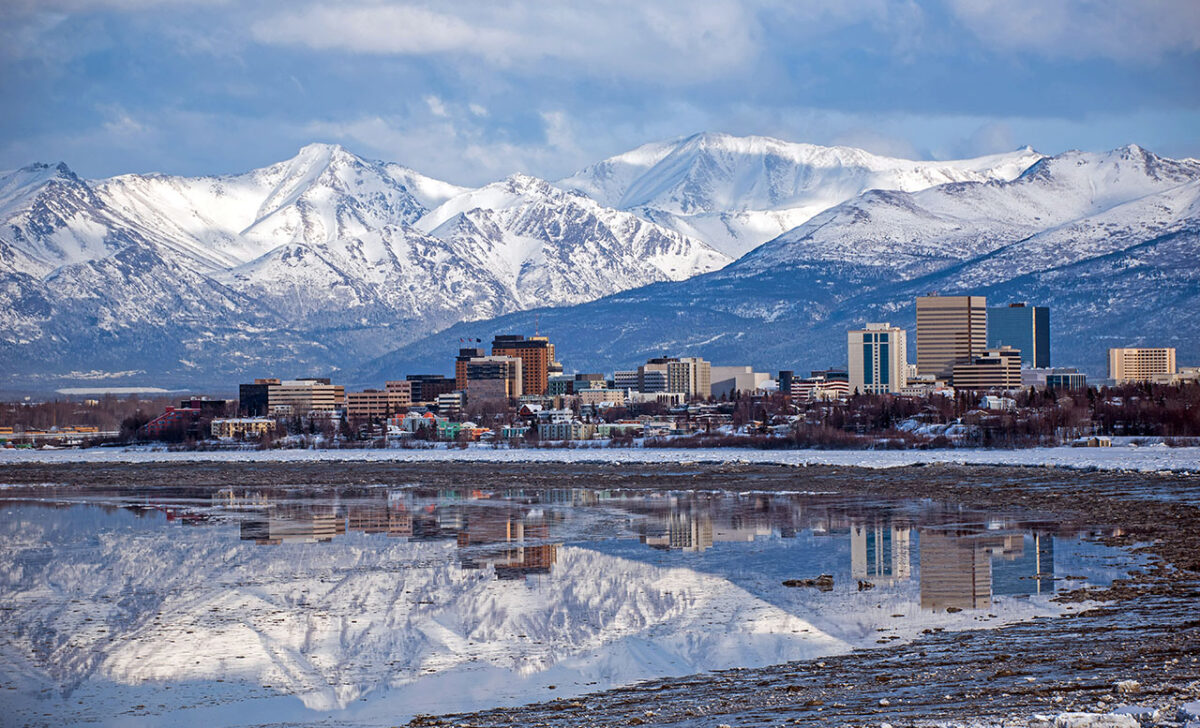
Anchorage, Alaska, sits on Cook Inlet beneath the Chugach Mountains, giving you city museums, coastal trails, wildlife habitat, and major Alaska road and rail connections in one base. It is the state’s largest city, yet a moose sighting or a view across Turnagain Arm can be part of an ordinary day.
You will get the most from Anchorage by pairing its cultural attractions and walkable downtown with one well-planned excursion into the surrounding mountains, glaciers, or coastal wetlands. Summer brings long daylight for hiking and sightseeing, while winter rewards you with snow sports, the Iditarod ceremonial start, and dark enough skies for aurora viewing.
Use this Anchorage travel guide to plan around your season, transport, energy level, and reservation needs. Anchorage is a practical starting point for a wider Alaska itinerary, including routes toward Denali National Park, Seward, Whittier, and Talkeetna.
Key Takeaways
- Stay downtown for walkability, or choose Midtown for convenient driving access.
- Reserve summer glacier cruises, rail trips, rental cars, and popular tours well ahead.
- Carry layers and give wildlife abundant space on every trail and roadside stop.
Quick Answers and Trip Profile
Anchorage works best as a two- to three-day city break or as the launch point for a longer Southcentral Alaska trip. You get reliable services, a major airport, restaurants, museums, urban trails, and access to Turnagain Arm, the Chugach Mountains, and Alaska Railroad routes.
Plan for a spread-out municipality. Downtown is compact and walkable, while trailheads, the Alaska Native Heritage Center, and many outdoor attractions require a rental car, rideshare, tour pickup, bicycle, or public transit connection.
The Municipality of Anchorage spans 1,961 square miles, from Eklutna in the north to Portage in the south, as noted by Visit Anchorage’s destination information.
Is Anchorage, Alaska, United States Worth Visiting?
Anchorage is worth visiting when you want an accessible introduction to Alaska that combines Indigenous culture, mountain scenery, local food, and outdoor time without changing hotels every night. You can spend the morning at the Anchorage Museum, cycle the Tony Knowles Coastal Trail in the afternoon, and watch for beluga whales or moose along the coast.
You should give Anchorage more than an airport overnight if you enjoy museums, local history, wildlife viewing, or scenic drives. Travelers focused solely on remote wilderness should use the city as a comfortable base, then add an overnight trip to Denali, Kenai Fjords, or a lodge destination.
Best Things to Do in Anchorage, Alaska, United States
Anchorage’s strongest attractions connect you with Alaska’s people, landscapes, and wildlife. Build each day around one anchor activity, then leave time for weather changes, road stops, and a relaxed meal downtown.
- Anchorage Museum: Start here for Alaska art, history, science, and exhibitions that add context to the places you will see outside the city.
- Alaska Native Heritage Center: Learn about Alaska Native cultures through programs, galleries, and outdoor village-site displays. Check the center’s seasonal schedule before selecting a visit date.
- Tony Knowles Coastal Trail: Walk or bike sections of this coastal route for Cook Inlet views, mountain backdrops, and wildlife habitat. Bring a wind layer even on a warm day.
- Ship Creek: Visit the downtown creek during the salmon run, watch anglers, and look for interpretive information on the area’s fishing history.
- Chugach State Park: Hike from trailheads near the city for forest, alpine terrain, and broad views. Select a route that fits your daylight, fitness, footwear, and current trail conditions.
- Potter Marsh: Scan the wetlands from the boardwalk for waterfowl, muskrats, and migratory birds, especially in spring and early summer.
- Alaska Zoo: This is a useful family stop, particularly on a rainy day or when you want to learn about northern animals in a contained setting.
For a compact downtown day, combine a museum visit with public art, Ship Creek, and dinner near Fifth Avenue. The local tourism office’s list of Anchorage attractions is useful for checking current operators and seasonal offerings.
What Can Families Do in Anchorage, Alaska, United States?
Families have an easy mix of hands-on culture, wildlife-focused stops, and low-commitment outdoor activities in Anchorage. The Alaska Native Heritage Center and Anchorage Museum provide indoor options when weather shifts, while Potter Marsh offers a short, stroller-friendly wildlife stop.
Choose the Tony Knowles Coastal Trail for a flexible bike outing, or book a guided wildlife or glacier excursion with transport included. At any trailhead, keep children close and teach them to watch wildlife from a distance.
Moose can appear in parks, neighborhoods, and along paths, and they need a clear route away from people. For a rainy afternoon, pair the museum with a warm drink or casual meal downtown.
In winter, look for family-friendly ski, skating, dog mushing, and cultural programming, then confirm age requirements and outdoor clothing guidance directly with each operator.
What Day Trips Can You Take From Anchorage, Alaska, United States?
The most rewarding Anchorage day trips follow the Turnagain Arm coast or head north into the Mat-Su Valley. A rental car gives you flexibility, while rail departures and guided excursions reduce the pressure of driving in unfamiliar conditions.
- Turnagain Arm and Girdwood: Drive south on the Seward Highway for tidal scenery, mountain views, Beluga Point, Bird Point, and the Girdwood area. Continue toward Portage for glacier and wildlife opportunities.
- Whittier: Travel through the Anton Anderson Memorial Tunnel on its scheduled vehicle timetable, then join a Prince William Sound cruise or explore the small harbor community.
- Seward: Make this a full-day commitment for a Kenai Fjords National Park cruise, Alaska SeaLife Center visit, or harbor walk. Rail travel offers a scenic alternative when schedules align.
- Talkeetna: Head north for a small-town stop, Susitna Valley views, flightseeing opportunities, and a different perspective on Denali.
- Eklutna Lake: Enjoy an accessible lake outing north of the city, with options for walking, biking, paddling, or a picnic when conditions allow.
Road conditions, tunnel schedules, cruise operations, and wildlife patterns change by season. Keep a flexible departure time for the Seward Highway, where construction, weather, and scenic stops affect driving plans.
History, Culture, and Local Character
Anchorage stands on Dena’ina Ełnena, the traditional homeland of the Dena’ina Athabascan people, and the Native Village of Eklutna remains central to the region’s living Indigenous presence. Begin with that context before treating the city solely as a gateway to scenery.
The city grew rapidly after the Alaska Railroad construction era, the establishment of military facilities, and the 1964 Good Friday earthquake. You can explore those layers through museum exhibits, downtown historic sites, public art, and local storytelling programs.
Make time for the Anchorage Museum and Alaska Native Heritage Center, then notice the contemporary Indigenous art and place names around town. Cultural visits are strongest when you approach them as opportunities to learn from living communities, not as a checklist of artifacts.
Anchorage also has an everyday working-city character shaped by aviation, fishing, logistics, government, healthcare, and military life. That mix explains why you will find practical services alongside galleries, breweries, salmon streams, and trail access.
Neighborhoods, Parks, and Outdoor Activities
Downtown offers the easiest base for sightseeing, while Midtown, Spenard, and South Anchorage give you different balances of access, dining, and trail proximity. Choose your neighborhood after deciding whether you will rent a car and how much time you want to spend outside the urban core.
Downtown suits you if you want to walk to the Anchorage Museum, Ship Creek, restaurants, shops, and the start of the Tony Knowles Coastal Trail. It is especially practical for a short stay without a vehicle.
Midtown places you near many hotels, grocery stores, and major roads. It works well for a driving itinerary, particularly if you are arriving late or departing early from Ted Stevens Anchorage International Airport.
Spenard sits near the airport and offers a more local, eclectic feel, with access toward Lake Hood and nearby restaurants. South Anchorage is useful for access to Kincaid Park, hillside trailheads, and quieter residential surroundings.
For outdoor time, start with a route that matches your experience. The Tony Knowles Coastal Trail is suited to walking and cycling, while Kincaid Park offers a larger network of woods, coastal viewpoints, and ski trails.
Flattop Mountain is a classic nearby hike, though its steep, rocky upper terrain calls for sturdy shoes and stable weather. Carry water, extra insulation, rain protection, and a charged phone.
In bear country, travel in a group when possible, make your presence known on brushy trails, store food securely, and follow current local guidance about bear spray and trail conditions.
Where to Stay and What to Eat
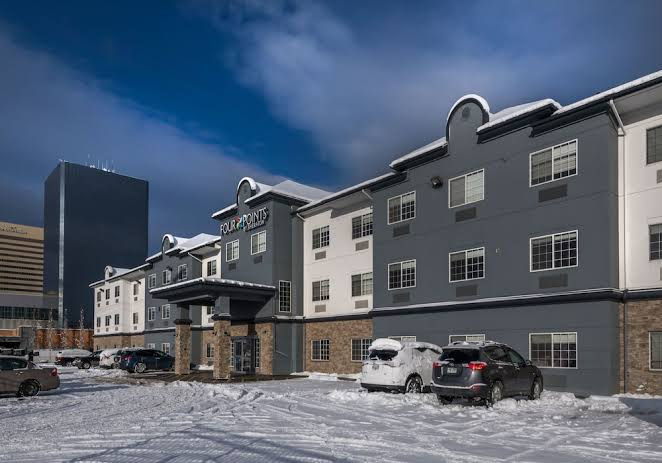
Stay downtown when walkability and short sightseeing days are your priority; stay in Midtown or near the airport when you need parking, easier road access, or a practical overnight before an early flight. Anchorage has full-service hotels, extended-stay properties, vacation rentals, bed-and-breakfasts, and hostels, though summer inventory fills quickly.
For a central full-service option, compare location and current amenities at the Marriott Anchorage Downtown. If you prefer an extended-stay setup with kitchen facilities, the Hyatt House Anchorage is in Midtown, convenient for a rental-car itinerary.
Anchorage dining reflects Alaska seafood, local brewing, global communities, and practical traveler needs. Seek salmon, halibut, crab, reindeer sausage, sourdough pancakes, birch syrup products, and locally roasted coffee, while remembering that seasonal availability influences menus.
Book dinner in advance during peak summer weekends, especially if you want a waterfront table, a well-known seafood restaurant, or a meal immediately after a cruise or train arrival. Ask servers where fish was landed and whether a preparation highlights the day’s local catch.
Where Should You Stay in Anchorage, Alaska, United States?
You should stay downtown for a first visit of one or two nights, because you can walk to core attractions and avoid spending every evening driving. Downtown also works well if you are joining tours that collect guests from central hotels.
Choose Midtown when you have a rental car, want a broader choice of chain hotels, or need easy access to supermarkets and main roads. South Anchorage makes sense for a quieter stay close to Kincaid Park and hillside recreation, while Spenard is convenient for airport proximity and Lake Hood aviation views.
Before booking, confirm airport shuttle service, parking fees, breakfast, elevator access, accessible-room features, cancellation rules, and whether your tour pickup serves the property. For July and August, reserve lodging as soon as your flights are confirmed.
How to Get There and Get Around
Most travelers arrive through Ted Stevens Anchorage International Airport and use Anchorage as the transport hub for Southcentral Alaska. You can continue by rental car, coach, cruise transfer, or Alaska Railroad service, depending on your route and season.
Within the city, downtown rewards walking, while many signature sights sit far enough apart that a car, tour, rideshare, bus, or bicycle is useful. Build your transport plan around the days when you are leaving the city, then choose lodging that reduces unnecessary transfers.
How Do You Get to Anchorage, Alaska, United States?
You reach Anchorage most easily by flying into Ted Stevens Anchorage International Airport, southwest of downtown. The airport handles domestic connections through major U.S. hubs, and seasonal service patterns change, so check airline schedules before choosing dates.
You can also arrive by Alaska Railroad from places such as Seward, Whittier connections, Talkeetna, Fairbanks, and Denali-area stops during operating seasons. Rail journeys are scenic and popular, so reserve early if a specific departure is essential to your itinerary.
Drivers enter Anchorage via the Glenn Highway from the north or the Seward Highway from the south. Allow extra time for weather, wildlife, roadwork, and scenic pullouts. If you are planning an extended route through the state, compare Anchorage with other best places to visit in Alaska before locking in one-way vehicle rentals.
How Do You Get Around Anchorage, Alaska, United States?
A rental car gives you the greatest reach for trailheads, Turnagain Arm, grocery stops, and day trips. Reserve early for summer, and confirm whether your rental agreement permits the roads you intend to drive.
You can cover downtown on foot and ride portions of the Tony Knowles Coastal Trail by bicycle. Rideshare, taxis, hotel shuttles, guided tours, and municipal buses fill gaps, especially for airport transfers and short urban trips.
Anchorage public transportation links hotels, parks, markets, public art, and attractions, as outlined in this car-free Anchorage planning guide.
In winter, choose a vehicle equipped for conditions and allow extra time for snow and ice. Do not rely on a rideshare for a remote trailhead pickup unless you have confirmed service and a dependable return plan.
Best Time to Visit and Seasonal Planning
June through August is the best period for first-time Anchorage visitors seeking open trails, long daylight, sightseeing tours, and broad day-trip options. Expect the busiest conditions, higher demand for rooms and rental cars, and weather that can shift from sun to rain and wind in hours.
Summer daylight is a major advantage. Anchorage receives nearly 20 hours of daylight around the summer solstice, allowing you to take a morning excursion, hike in the evening, and still eat dinner in natural light. Pack a sleep mask if bright evenings affect your rest.
September offers fall color, cooler temperatures, fewer summer crowds, and increasing chances to see the northern lights when skies are dark and clear. Winter provides snow sports, festive events, and aurora opportunities, though daylight is limited and outdoor logistics require more preparation.
Spring brings longer days and seasonal transition. Trail surfaces can be muddy or icy, some summer businesses have not opened, and road conditions vary. Choose spring when you value shoulder-season timing and can keep plans flexible.
What Is the Best Time to Visit Anchorage, Alaska, United States?
The best time for your first Anchorage trip is late June through August, when you have the widest choice of cruises, wildlife tours, rail departures, hiking access, and dining options. July provides especially long days, while August often brings more variable rain and peak visitor demand.
Visit in September for autumn scenery and a better balance of daylight with aurora potential. Travel from late fall through early spring for winter recreation and northern lights, then book guided activities that provide necessary equipment and transport.
Check seasonal closures, daylight, weather forecasts, and road reports close to departure. A flexible packing plan should include a waterproof shell, insulating layer, warm hat, gloves, and footwear suited to wet or uneven ground in every season.
A Practical Two- or Three-Day Itinerary
A well-paced Anchorage itinerary combines one culture-focused day, one coastal or glacier outing, and an optional third day for a longer excursion. Keep your first day close to town if your flight arrives late or you need to collect a rental car.
What Is a Good Two- or Three-Day Anchorage, Alaska, United States Itinerary?
- Day 1, Downtown and the coast: Visit the Anchorage Museum in the morning, explore downtown and Ship Creek, then walk or cycle part of the Tony Knowles Coastal Trail. Finish with a seafood-focused dinner and prepare snacks and layers for the next day.
- Day 2, Turnagain Arm: Drive or join a tour south along the Seward Highway. Stop at Beluga Point or Bird Point, visit Potter Marsh if time allows, and continue toward Girdwood, Portage, or Whittier based on your booked activity. A glacier cruise or wildlife tour needs a confirmed departure time before you leave Anchorage.
- Day 3, culture or a longer journey: Visit the Alaska Native Heritage Center and Alaska Zoo, hike in Chugach State Park, or take a full-day trip to Seward or Talkeetna. Choose only one long-distance destination to avoid turning the day into continuous driving.
For a two-day stay, combine the Day 1 downtown plan with the Turnagain Arm outing. If you are traveling without a car, select a guided day trip with hotel pickup and keep Day 1 centered on walkable downtown attractions.
Schedule outdoor activities early in your stay when possible. A weather disruption then leaves you later dates for rescheduling, and you can use a rainy period for museums or local shopping.
Costs, Safety, Accessibility, and Reservations
Anchorage requires a realistic budget because summer lodging, rental vehicles, cruises, and flightseeing excursions are high-demand purchases. Your total cost is shaped most strongly by flight timing, hotel category, vehicle choice, and how many guided outings you add.
Build a daily budget using live prices for your travel dates, then separate fixed reservations from flexible spending. Lodging rates, airfare, rental-car prices, attraction admission, fuel, parking, meals, and gratuities all vary by season, so check each provider directly before committing.
Reserve summer hotels, rental cars, Alaska Railroad tickets, Whittier tunnel-dependent activities, glacier cruises, and popular wildlife tours early. Keep confirmation numbers available offline because cellular service can weaken on some highway segments and remote recreation areas.
Anchorage is best approached with normal city awareness plus backcountry judgment. Keep valuables out of sight in parked cars, use well-lit routes at night, and ask your hotel about current local areas to avoid walking alone.
On trails, stay alert for moose and bears, do not approach wildlife, and retreat slowly if an animal blocks your route.
For accessibility, confirm details with each attraction and operator before booking. Ask about step-free entry, accessible restrooms, parking, transfer assistance, terrain, vessel boarding, trail surface, sensory conditions, and service-animal policies.
The coastal trail and Potter Marsh boardwalk offer relatively accessible outdoor options, though weather and surface conditions affect comfort.
How Much Does a Trip to Anchorage, Alaska, United States Cost?
Your Anchorage trip cost ranges widely because airfare and summer accommodation change quickly, and guided Alaska experiences carry separate prices. Plan your trip around a confirmed hotel and transport budget before adding cruises, flightseeing, fishing charters, or multi-day excursions.
You can reduce costs by traveling in shoulder season, booking a room with breakfast or kitchen access, using tours with transportation, and limiting your itinerary to one premium excursion.
Review current prices directly with airlines, hotels, rental agencies, the Alaska Railroad, and tour operators because published rates and availability change throughout the year.
Set aside a contingency fund for weather-driven itinerary changes, meals during long day trips, parking, fuel, and gear needs. Travel insurance deserves consideration when your Alaska itinerary relies on nonrefundable flights, cruises, or remote connections.
Sources and Current Planning Links
Use official local information to confirm seasonal operations, road access, visitor services, and current activity listings before departure.
- Current Anchorage activity ideas
- Car-free transport options in Anchorage
- Official Anchorage visitor information
- Anchorage transportation planning details
- A current roundup of major Anchorage attractions
Frequently Asked Questions
How many days do you need in Anchorage?
You need two full days for Anchorage’s core cultural sights and a Turnagain Arm outing. Add a third day for the Alaska Native Heritage Center, Chugach State Park, Seward, Talkeetna, or a weather backup.
What is a must-do in Anchorage, Alaska?
The Tony Knowles Coastal Trail is a must-do because it gives you an immediate sense of Anchorage’s connection to Cook Inlet, mountains, and urban wildlife habitat. Pair it with the Anchorage Museum for a fuller view of the region’s landscape and people.
What is a must-buy in Alaska?
Buy an Alaska-made item with clear origin information, such as Alaska Native art purchased from a reputable seller, locally produced birch syrup, smoked salmon, or a quality cold-weather layer from an Alaska outfitter. Check airline and destination rules before purchasing seafood or other perishable items for travel.
Where should you avoid in Anchorage?
You should avoid isolated paths, poorly lit areas, and unfamiliar industrial edges after dark, especially when you are alone. Ask your hotel about current block-by-block conditions, keep vehicles locked, and select established routes between downtown attractions.
Is Anchorage in the United States?
Yes, Anchorage is in the U.S. state of Alaska. It sits in Southcentral Alaska on Cook Inlet, north of the Kenai Peninsula and west of the Chugach Mountains.
Affiliate placeholder: Compare accommodation options after checking the official property details, location, and cancellation terms.
Affiliate placeholder: Check current activity availability, meeting points, accessibility, and cancellation terms before reserving.