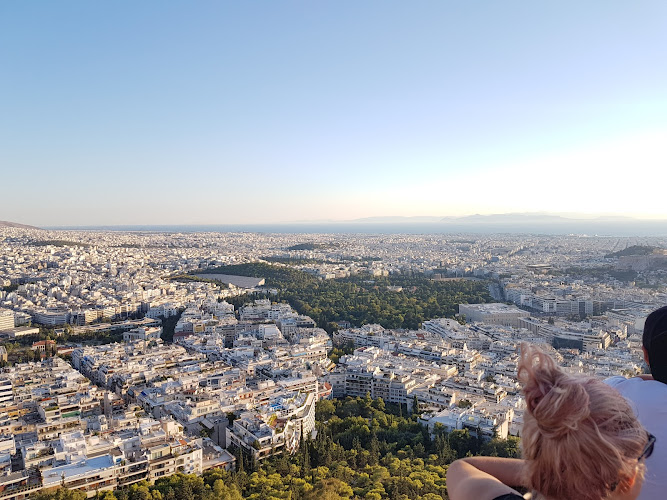
Odeon of Herodes Atticus is a monumental Roman odeon, or covered music theater, on Dionysiou Areopagitou, Athina 105 55, Greece, on the southwest slope of the Acropolis in the Makrygianni–Acropolis area. Built in 161 CE by the Athenian benefactor Herodes Atticus, traditionally in memory of his wife Regilla, it draws travelers for its commanding stone cavea, Acropolis setting and the rare opportunity to attend major live performances in an ancient venue.
What to Expect at Odeon of Herodes Atticus
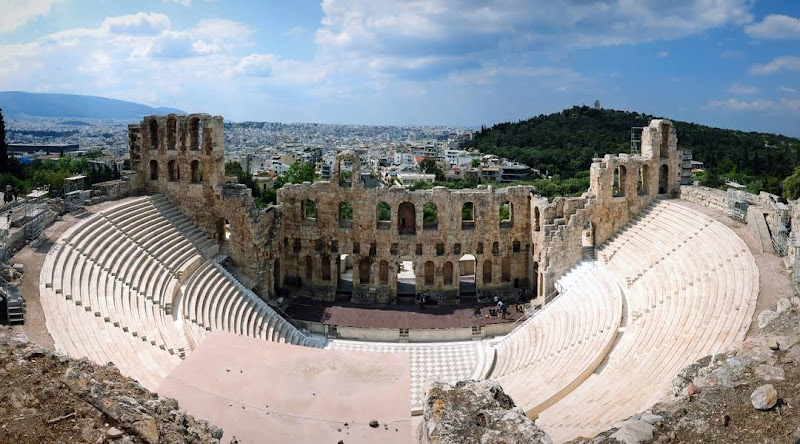
This is not a museum with galleries or a collection of artifacts; the monument itself is the experience. Its semicircular auditorium rises in 32 steep tiers around an orchestra roughly 19 meters across, while the tall surviving stage façade creates the theater’s distinctive profile below the Acropolis rock. In antiquity, the structure could hold about 5,000 spectators and originally had a roof, fitting the Roman meaning of “odeon” as a music hall.
Look for the three-level stone stage building, articulated with arches and niches, and for the sweep of Pentelic-marble seating. The odeon was damaged during the Herulian raid of 267 CE and lay largely silent for centuries. Restoration in 1950–1953 returned it to performance use; it reopened with events in 1957. Today, daytime visitors usually view it from Acropolis paths and the pedestrian approach, while the interior is principally entered for ticketed performances.
- Roman auditorium: A 32-tier, semicircular cavea designed for an audience of roughly 5,000.
- Stage façade: A towering, three-story stone backdrop with arched openings and niches.
- Acropolis setting: Close views of the theater from the south-slope circulation route and Dionysiou Areopagitou promenade.
- Performance heritage: A restored working venue associated with the Athens Epidaurus Festival and other major concerts.
- Ancient engineering: The orchestra, marble seating and former roof reveal the odeon’s specialized acoustical purpose.
Odeon of Herodes Atticus at a Glance
| Detail | Information |
|---|---|
| Address | Dionysiou Areopagitou, Athina 105 55, Greece |
| Neighborhood / Area | Southwest slope of the Acropolis, Makrygianni–Acropolis |
| Operating Hours | No independent daily Odeon hours; daytime viewing follows Acropolis archaeological-site access, while performance entry is event-specific. |
| Admission & Ticket Prices | There is no standalone daytime Odeon ticket. Acropolis archaeological-site admission is paid; concert and festival tickets are sold separately by each organizer. |
| Recommended Visit Duration | 20–40 minutes for exterior and Acropolis-path views; allow 2–3 hours for a performance, including entry. |
| Nearest Transit / Parking | Acropoli Metro Station on Line 2 is about a 10-minute walk. There is no on-site public parking; use paid garages around Makrygianni or Syngrou Avenue. |
| Official Website / Phone | Official monument page · +30 21 0324 1807 |
Visiting Tips, Getting There & Nearby Pairings
For daylight photographs, arrive near Acropolis opening time or later in the afternoon, when the exposed stone and surrounding paths are less busy and less hot. The Odeon’s interior should not be treated as a walk-in attraction: check the Acropolis schedule for site access and the relevant organizer’s listing for performances. Summer dates, especially Athens Epidaurus Festival productions, can sell out well ahead of time. Reserve seats before finalizing an evening itinerary and arrive early enough for security checks and stepped seating.
Take Metro Line 2 to Acropoli, then walk northwest through Makrygianni toward Dionysiou Areopagitou; the car-free promenade is the most straightforward approach. Driving is inconvenient because of restricted streets and limited central parking. Cobblestones, slopes and ancient paving require supportive shoes. The Acropolis has an accessible route and lift arrangements for visitors with reduced mobility, but the Odeon’s steep seating tiers are stair-only; confirm wheelchair positions and companion access directly with an event organizer. Pair a visit with the Acropolis Museum, the Theatre of Dionysus on the south slope, or the cafés and restaurants of nearby Plaka, all within roughly 5–15 minutes on foot.
Frequently Asked Questions
When is the best time to see the Odeon of Herodes Atticus?
Early morning and late afternoon are most comfortable for viewing the monument from the Acropolis approaches. For an interior experience, attend a scheduled evening performance; dates and gate times vary by production.
Do I need a ticket or reservation?
Acropolis archaeological-site admission is paid and is separate from performance admission. There is no fixed, standalone Odeon sightseeing price. Concert, opera and festival tickets are event-specific, and advance booking is strongly advised for popular summer programs.
How much time should I budget?
Allow 20–40 minutes to appreciate the theater while exploring the Acropolis slopes or Dionysiou Areopagitou. A performance commonly requires 2–3 hours once entry, finding seats and the program itself are included.
Is the Odeon suitable for families and wheelchair users?
Families can readily view the exterior, though young children need close supervision around uneven ancient paving and steep drops. The auditorium’s 32 seating tiers involve stairs. Visitors using wheelchairs should use the Acropolis accessible route where available and verify event-specific accessible seating before booking.
When planning your Athens travel guide or browsing verified attractions in Athens, pair this stop with standout local spots including Temple of Olympian Zeus, Basil & Elise Goulandris Foundation, To Paradosiako Athens: Souvlaki Grill Guide & Menu Tips, and Temple of Athena Nike (nearby).