Editorial disclosure: This destinations.ai guide was prepared with AI assistance and checked against the official sources linked below. Accommodation and activity placeholders may use affiliate links; that does not change the planning advice.
Athens, Attica, Greece rewards you with ancient landmarks, excellent museums, busy market streets, and a living capital city whose daily rhythm extends far beyond the Acropolis. You can cover the essential archaeological sites in two full days, then add a third day for a major museum, the coast, or a day trip.
Plan your Athens stay around the Acropolis area, begin outdoor sightseeing early, and leave unstructured time for Plaka, Monastiraki, and an unhurried taverna meal. The historic center is compact enough for rewarding walks, while the metro connects you with the airport, Piraeus, and districts beyond the old city.
Your visit will feel smoother when you book major-ticket attractions ahead, wear shoes with grip for polished marble and uneven paving, and treat midday summer heat as a scheduling issue. Athens combines a 2,500-year-old archaeological landscape with contemporary galleries, cafés, markets, and neighborhood life.
Key Takeaways
- Stay centrally to keep major sights within easy reach.
- Reserve Acropolis entry before peak travel dates.
- Visit in spring or autumn for more comfortable walking weather.
Quick Answers and Trip Profile
Athens suits you best if you want classical history, museum time, Mediterranean food, and an energetic city break in one destination. Two nights give you a focused introduction; three nights allow you to see the core sites at a calmer pace and add the National Archaeological Museum, the Athenian Riviera, Delphi, or Cape Sounion.
- Best first-trip length: Three days.
- Best base: Koukaki, Plaka, Monastiraki, or Syntagma.
- Essential sight: The Acropolis and Parthenon.
- Best museum pairing: Acropolis Museum and National Archaeological Museum.
- Best transport mix: Walking, metro, and an occasional licensed taxi.
- Best sightseeing months: April through June and September through October, when conditions are warmer and less intense than high summer.
Athens is Greece’s capital and the center of Attica, set inland from the Saronic Gulf. Your route through the central archaeological zone links the Acropolis, Ancient Agora, Roman Agora, Hadrian’s Library, Temple of Olympian Zeus, and Kerameikos with relatively short walks.
Use the city as a destination in its own right, not only as an overnight stop before an island ferry. Most headline sights cluster near the Acropolis, which is one reason the city works so well for a first visit, as this practical overview of walking around Athens’ historic core also makes clear.
Best Things to Do in Athens
The Acropolis is the essential Athens experience, and you should visit early in the day with timed entry arranged before you arrive. Walk uphill through the Propylaea to see the Parthenon, Erechtheion, and Temple of Athena Nike, then pause for the wide view across Attica.
After the hill, visit the Acropolis Museum, where galleries place sculpture, architectural fragments, and daily life in context. The upper-floor Parthenon Gallery is particularly useful before or after your Acropolis visit because its layout follows the temple’s original sculptural program.
- Ancient Agora: Walk the civic heart of ancient Athens and see the remarkably intact Temple of Hephaestus. The Ancient Agora of Athens offers a more grounded sense of public life than a quick Acropolis-only visit.
- Roman Agora and Tower of the Winds: Add these compact ruins while wandering between Monastiraki and Plaka.
- National Archaeological Museum: Set aside several hours for Greece’s major collection of antiquities, from Cycladic figures to Mycenaean gold and bronze sculpture.
- Panathenaic Stadium: See the white-marble stadium associated with the first modern Olympic Games in 1896.
- Benaki Museum or Museum of Cycladic Art: Choose one for a shorter, focused museum visit near Kolonaki and Syntagma.
- Lycabettus Hill: Go near sunset for a broad city view, then return by foot, funicular, or taxi depending on your energy and mobility needs.
Give the Acropolis of Athens a morning, not an hour. Heat, queues, and steep surfaces slow the visit, and the approach deserves room for stops at the Theatre of Dionysus and Odeon of Herodes Atticus.
History, Culture, and Local Character
Athens gives you direct access to places central to ancient democracy, theatre, philosophy, and art. Its recorded history reaches back more than 3,000 years, while the monuments visible today represent successive Classical, Roman, Byzantine, Ottoman, and modern Greek periods.
The Parthenon dominates the Acropolis, yet the city becomes more intelligible when you connect it with the Agora below. In ancient Athens, the Agora served as a marketplace and civic gathering place, while the Acropolis functioned as a sacred precinct. You’ll read the landscape more clearly by visiting both on the same day.
Plaka’s lanes, Orthodox churches, neoclassical houses, and small squares hold a different layer of the city’s past. Anafiotika, on the Acropolis slope, has whitewashed passages that recall Cycladic island architecture. Keep your voice low there, as it is a residential area.
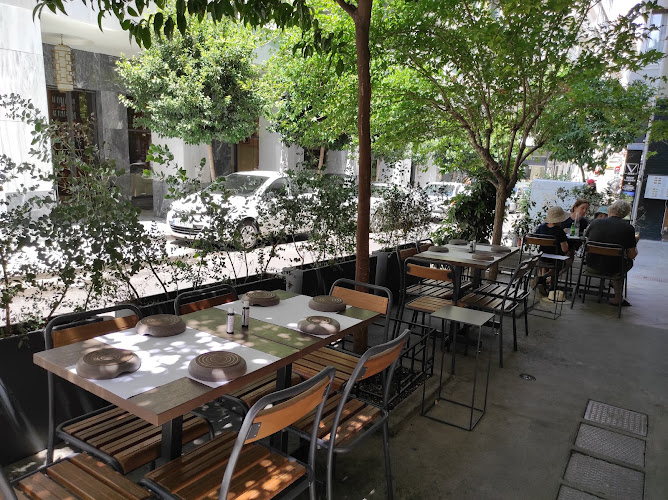
Modern Athens is equally present in Exarchia bookshops, Psyrri workshops, Kolonaki galleries, and the late dining culture of central neighborhoods. Order coffee slowly, expect dinner later than in northern Europe, and allow time for a long meal.
A useful approach to more authentic travel is to step a few blocks away from the most photographed streets before choosing a café or taverna. It’s a small change, but often enough to find a quieter table and a more neighborhood feel.
For a deeper historical framework, add the National Archaeological Museum after the Acropolis Museum. The first explains objects from across Greece; the second anchors you in the specific sanctuary you have just walked through.
Neighborhoods, Parks, and Outdoor Activities
Athens is best explored neighborhood by neighborhood, with each district offering a different pace and practical reason to visit. Base yourself close to the historic center, then branch out to residential streets, hills, and the waterfront.
- Plaka: Best for first-time atmosphere, pedestrian lanes, and immediate access to the Acropolis.
- Monastiraki: Best for markets, metro connections, rooftop views, and a lively central location.
- Koukaki: Best for a more residential feel near the Acropolis Museum and Dionysiou Areopagitou pedestrian street.
- Psyrri: Best for nightlife, design shops, street art, and dining.
- Kolonaki: Best for galleries, polished boutiques, museums, and Lycabettus Hill.
- Exarchia: Best for independent cafés, books, political history, and a less visitor-focused atmosphere.
The National Garden beside Syntagma provides shade and a useful pause between central sights. For a longer walk, follow the pedestrian route around the Acropolis through Apostolou Pavlou and Dionysiou Areopagitou streets, where views open toward the Parthenon and Philopappos Hill.
Climb Philopappos Hill for a quieter outlook across the Acropolis. The paths are uneven and unlit in places, so go in daylight with water and stable footwear.
For a coastal reset, take public transport toward the Athens Riviera and combine a waterfront walk with a swim during the warmer months. If you travel with children, the National Garden, Attica Zoological Park, the Hellenic Children’s Museum, and open space around the Stavros Niarchos Foundation Cultural Center offer welcome breaks from ruins.
Check each venue’s official calendar before setting out, especially during holidays and heat alerts.
Where to Stay and What to Eat
Koukaki, Plaka, Monastiraki, and Syntagma give you the most convenient first-time bases for Athens. Choose Koukaki for quieter evenings near the Acropolis, Plaka for historic scenery, Monastiraki for transit and bustle, or Syntagma for central hotels and direct airport connections.
Book accommodation near a metro station if your flight arrives late, your plans include Piraeus, or you have limited walking tolerance. A room with Acropolis views is memorable, though street noise rises in the busiest central lanes.
Read recent guest comments for sound insulation, lift access, and the exact walking route to the nearest station. These details can matter more than a polished room photo, especially in the older parts of the center.
For meals, look for a taverna menu that changes with the day’s cooked dishes. You will see classics such as moussaka, horiatiki salad, grilled fish, souvlaki, spanakopita, fava, gigante beans, and loukoumades.
Ask about seasonal vegetables, local cheese, and the day’s catch. Monastiraki and Psyrri suit casual street food and late meals, while Koukaki and Pangrati reward you with neighborhood restaurants where you can linger over meze.
For a concise guide to eating while exploring, use these street food travel principles: choose busy counters, watch food handling, and keep cash or a card ready for small purchases.
Drink tap water where your accommodation confirms it is suitable, carry a refillable bottle during walks, and reserve rooftop dining for the view as much as the food. Dinner reservations are wise on Friday and Saturday evenings, particularly in central districts and during the April-to-October visitor season.
How to Get There and Get Around
You will arrive through Athens International Airport, Piraeus port, long-distance rail, or intercity bus connections, with the airport serving as the main gateway for international visitors. From the airport, select metro, suburban rail, airport bus, taxi, or a prearranged transfer according to your arrival time, luggage, and accommodation location.
Check the official transport operator before departure for current routes, fares, operating hours, and service changes. Airport transport details shift with construction, strikes, public holidays, and late-night schedules, so don’t rely on an old screenshot or a hotel blog post.
Walking covers much of your central itinerary. The core cluster of ancient sites around the Acropolis is compact, and you will see more by moving on foot through Plaka, Monastiraki, Thissio, and Koukaki.
- Metro: Use it for airport connections, Syntagma, Monastiraki, Acropolis, Piraeus, and neighborhoods farther from the center.
- Tram: Use it for selected Athens Riviera journeys along the coast.
- Bus and trolleybus: Use them where metro lines do not serve your destination directly.
- Taxi: Use licensed vehicles, confirm that the meter is running, and request a receipt.
- Car: Avoid renting one for central sightseeing. Traffic, limited parking, and narrow streets add friction to a compact visit.
Keep your phone charged for navigation and use a contactless payment method where accepted. Escalators and lifts vary by station, so travelers with step-free needs should confirm the intended route before committing to a journey.
Best Time to Visit and Seasonal Planning
April to June and September to October offer the best balance of sightseeing weather, daylight, and manageable heat in Athens. A current seasonal guide notes that July and August can exceed 35°C, which matters when your plans include exposed archaeological sites and uphill walks.
Spring brings green hillsides, longer days, and comfortable conditions for the Acropolis, Agora, and Lycabettus. Greek Orthodox Easter can affect business hours, transport, and crowd levels, so confirm dates and opening schedules before booking.
Summer delivers long evenings, outdoor performances, and beach weather along the Riviera. Schedule archaeological sites for opening time, reserve indoor museums for the afternoon, drink water steadily, and return to your hotel for a rest during the hottest hours.
Autumn remains excellent for city walks and food-focused travel. September retains summer warmth, while October is often easier for full-day sightseeing and day trips.
Winter brings fewer visitors and cooler, wetter spells. You will still find museums, cafés, neighborhood dining, and major landmarks open on many days, though shorter daylight affects your route. Pack a waterproof layer and check weather warnings before hill walks.
Use a broader best time to visit Europe guide alongside Athens-specific weather checks if your itinerary combines Greece with other countries.
A Practical Two- or Three-Day Itinerary
A three-day Athens itinerary lets you experience the major archaeological sites without racing between them. Keep each day geographically focused, reserve the Acropolis first, and leave your evenings open for neighborhood walks and dinner.
- Day 1: Acropolis and Old Athens. Enter the Acropolis early, then visit the Acropolis Museum. Walk through Plaka and Anafiotika, continue to the Roman Agora and Monastiraki, and finish with dinner or a drink facing the illuminated Parthenon.
- Day 2: Civic Athens and major collections. Explore the Ancient Agora and Temple of Hephaestus, then walk through Thissio and Kerameikos. Spend the afternoon at the National Archaeological Museum, or choose the Benaki Museum if you prefer a smaller collection. End in Exarchia, Psyrri, or Pangrati.
- Day 3: Choose coast, culture, or a day trip. Visit the Panathenaic Stadium, National Garden, Syntagma, and a museum in Kolonaki, or travel to the Athens Riviera. If you want a longer excursion, book Delphi, Cape Sounion and the Temple of Poseidon, Ancient Corinth, Hydra, Aegina, or Piraeus with enough transport time built in.
With only two days, follow Days 1 and 2, then select a sunset viewpoint on the second evening. The Acropolis, Agora, Plaka, and one major museum create a satisfying first encounter without turning your trip into a checklist.
For Delphi or Cape Sounion, use a guided trip or confirm independent transport well before travel day. These destinations need early starts, and seasonal schedules determine how much time you have on site.
Costs, Safety, Accessibility, and Reservations
Athens works across a wide range of budgets, though your daily cost rises quickly with central hotels, private tours, rooftop dining, and high-season travel. Build your budget from four categories: accommodation, attraction entry, local transport, and food, then check each provider’s current price before booking.
Save money by staying a short metro ride from the Acropolis, eating lunch at a neighborhood taverna, using public transport, and selecting museum priorities before arrival. A detailed affordable travel planning approach helps you assign a ceiling to each category without cutting essential experiences.
Athens is a major European capital where sensible city precautions serve you well. Keep valuables secured in crowded metro cars, busy squares, airport queues, and nightlife areas. Use bank machines attached to established banks, keep your passport secure, and carry a copy of key travel documents.
Book Acropolis entry, popular guided tours, and sought-after restaurants ahead for busy dates. Check official attraction pages for ticket rules, reduced admission eligibility, closures, security procedures, and the current time-slot system. Avoid buying tickets from unofficial sellers outside entrances.
Accessibility requires advance planning because archaeological sites contain slopes, gravel, steps, uneven stone, and bright exposed areas. The Acropolis has an elevator for visitors with mobility impairments under specific operating conditions, while mechanical operation and access arrangements require advance confirmation. Ask your hotel about step-free access, lift dimensions, accessible bathrooms, and the route from the nearest metro station.
Athens Trip Planning Checklist
A well-planned Athens trip starts with a central base, timed archaeological-site entry, and a realistic pace for heat and uneven streets. Use the decisions below to match your interests, mobility needs, budget, and available days.
Is Athens, Attica, Greece Worth Visiting?
Athens is worth visiting if you want to stand in major ancient sites while experiencing a contemporary Greek capital. You get landmark architecture, serious museums, neighborhood dining, hilltop views, and access to Attica’s coast from one base.
What Are the Best Things to Do in Athens, Attica, Greece?
Your highest priorities are the Acropolis, Acropolis Museum, Ancient Agora, Plaka, and the National Archaeological Museum. Add Lycabettus Hill, the Panathenaic Stadium, Roman Agora, and a food-focused evening when your schedule allows.
Where Should You Stay in Athens, Attica, Greece?
Stay in Koukaki, Plaka, Monastiraki, or Syntagma for a first visit. Koukaki gives you a residential setting near the Acropolis, while Monastiraki offers stronger transport links and nightlife close by.
What Is the Best Time to Visit Athens, Attica, Greece?
Visit from April through June or September through October for comfortable outdoor sightseeing. July and August suit you when you plan early starts, midday breaks, and evening activities around the high heat.
How Do You Get to Athens, Attica, Greece?
Most international visitors fly into Athens International Airport, then continue by metro, rail, bus, taxi, or transfer. You can also arrive by ferry through Piraeus when coming from the Greek islands.
How Do You Get Around Athens, Attica, Greece?
Walk the historic center and use the metro for longer distances, airport transfers, and Piraeus. Taxis help after late dinners, during hot weather, or when you’re carrying luggage.
How Much Does a Trip to Athens, Attica, Greece Cost?
Your total cost depends most on travel season, hotel location, room standard, attraction choices, and dining style. Check live hotel rates and official ticket prices before setting a daily amount, since those figures change throughout the year.
What Is a Good Two- or Three-Day Athens, Attica, Greece Itinerary?
Spend Day 1 on the Acropolis, Acropolis Museum, Plaka, and Monastiraki; spend Day 2 at the Agora and National Archaeological Museum. Use Day 3 for the Riviera, Cape Sounion, Delphi, or a second museum and neighborhood exploration.
What Can Families Do in Athens, Attica, Greece?
Families can mix short archaeological visits with the National Garden, the Acropolis Museum, Panathenaic Stadium, and an Athens Riviera outing. Build in shade, snacks, water stops, and a hotel rest during summer afternoons.
What Day Trips Can You Take From Athens, Attica, Greece?
Popular day trips include Delphi, Cape Sounion, Ancient Corinth, Aegina, Hydra, and nearby Piraeus. Choose one based on your interests: Delphi for archaeology and mountain scenery, Cape Sounion for a coastal sunset, and the Saronic islands for a sea day.
Sources and Current Planning Links
Use official attraction and transport channels to confirm operational details immediately before your visit. Timed tickets, access routes, strike notices, and seasonal schedules can change.
- Consult the Athens destination overview for a quick orientation to the city’s major sights.
- Review this Athens neighborhood guide when choosing between Plaka, Monastiraki, Koukaki, Psyrri, and other bases.
- Check an updated Athens transport planning guide before airport transfers or trips to Piraeus.
- Use current month-by-month Athens seasonal planning information when selecting travel dates.
- Compare major sights with this curated list of Athens attractions and museum stops before reserving tours.
- Check the latest traveler attraction listings for Athens for recent visitor feedback and temporary closures.
Frequently Asked Questions
What is the best area to stay in Athens for first-time visitors?
Koukaki, Plaka, Monastiraki, and Syntagma are the strongest areas for first-time visitors. Choose Koukaki for a calmer local feel near the Acropolis, Plaka for old-town atmosphere, Monastiraki for metro access, and Syntagma for a central transport hub.
Do you need to book Acropolis tickets in advance?
You should book Acropolis tickets in advance for spring, summer, autumn weekends, and dates with large cruise-ship traffic. A timed ticket protects your schedule and helps you start early, before the hill becomes hot and crowded.
Is Athens walkable for tourists?
Athens is highly walkable across the historic center, where major ancient sites sit close to the Acropolis. Expect hills, uneven pavements, polished stone, traffic crossings, and summer heat, so plan shorter routes when mobility or temperatures require it.
What should you avoid doing on your first trip to Athens?
Avoid trying to see every museum and archaeological site in a single day. Skip unlicensed taxis, unofficial ticket sellers, exposed midday walks in extreme heat, and poorly researched restaurants on the busiest tourist lanes.
Is Athens safe for tourists?
Athens is generally safe for tourists who use normal big-city awareness. Keep bags close on crowded public transport and in central squares, use licensed transport, and avoid leaving valuables visible in parked vehicles or unattended at cafés.
Affiliate placeholder: Compare accommodation options after checking the official property details, location, and cancellation terms.
Affiliate placeholder: Check current activity availability, meeting points, accessibility, and cancellation terms before reserving.