National Archaeological Museum is Greece’s principal museum of ancient material culture at 44 28is Oktovriou (Patission) Street, Athina 106 82, on the Exarchia–Victoria edge of central Athens, Greece. Founded in 1829 as the national collection and housed in its monumental late-19th-century neoclassical building, it gathers finds from across the Greek world, from prehistory through late antiquity. Travelers come for an unusually broad, chronological encounter with Greek art: Mycenaean gold, Cycladic marble, monumental sculpture, painted pottery and ancient technology in one major museum.
What to Expect at National Archaeological Museum
Start with the Prehistoric Antiquities collection, where the Cycladic figurines’ spare marble forms lead into Minoan material and the spectacular Mycenaean galleries. The gold funerary mask conventionally called the Mask of Agamemnon comes from Grave Circle A at Mycenae; despite its popular name, it predates the legendary king’s supposed era. Nearby, gold cups, weapons and grave goods give essential context to Bronze Age mainland Greece.
The sculpture galleries provide a clear route from the stiff, archaic kouroi to Classical and Roman works. Look for the bronze Artemision statue, generally identified as Zeus or Poseidon, and the Jockey of Artemision, a rare large-scale bronze rider recovered from the sea. The Antikythera shipwreck display is another central stop: its corroded fragments belong to the Antikythera Mechanism, an ancient geared device used to model astronomical cycles. Allow time for the airy inner courtyard and the grand, columned façade; the museum’s architecture is part of the experience.
- Mask of Agamemnon: the famous hammered-gold Mycenaean funeral mask from Grave Circle A.
- Antikythera Mechanism: fragments of the ancient astronomical calculator recovered from a shipwreck.
- Artemision Bronze: a powerful over-life-size god, posed to throw a thunderbolt or trident.
- Jockey of Artemision: an exceptional Hellenistic bronze horse and young rider, also found at sea.
- Prehistoric collections: Cycladic figurines, Minoan objects and Mycenaean gold arranged across the Bronze Age.
National Archaeological Museum at a Glance
| Detail | Information |
|---|---|
| Address | 44 28is Oktovriou (Patission) Street, Athina 106 82, Greece |
| Neighborhood / Area | Central Athens, at the Exarchia–Victoria edge |
| Operating Hours | Monday, Wednesday–Sunday 8:30am–3:30pm; Tuesday 1pm–8pm. Seasonal schedules and holiday closures can change. |
| Admission & Ticket Prices | Paid admission; check the official museum website for current adult, concession and free-entry eligibility. |
| Recommended Visit Duration | 2 to 3 hours; allow longer for the full permanent collection. |
| Nearest Transit / Parking | Victoria station on Metro Line 1 is about a 7-minute walk; Omonia is roughly 10–12 minutes on foot. Use nearby paid garages or street parking where permitted. |
| Official Website / Phone | namuseum.gr · +30 21 3214 4800 |
Visiting Tips, Getting There & Nearby Pairings
Arrive at opening time, particularly from April through October, when the headline galleries fill quickly and the museum’s scale can make the last entry period feel rushed. Tuesday afternoon is useful for travelers whose sightseeing schedule is concentrated around the Acropolis in the morning. Buy or confirm tickets through the official site before setting out, and check its calendar for temporary exhibitions and altered opening dates. There is no reason to attempt the whole collection at speed: choose prehistory, sculpture and Antikythera first, then add vase, Egyptian or temporary galleries if time permits.
The monumental front approach includes stairs, so visitors using wheelchairs, strollers or with limited mobility should ask staff for the accessible entrance and lift route on arrival. Interior floors are largely level once inside, though distances between galleries are substantial; a compact stroller is easier to manage than a large one. Victoria station is the simplest rail arrival, while taxis can drop passengers on Patission Street. Within a 5–15 minute walk, pair the museum with the Epigraphic Museum in the same complex, browse cafés and restaurants around Exarchia Square, or walk north to Pedion tou Areos park.
Frequently Asked Questions
What are the best hours to visit the National Archaeological Museum?
Opening time is the calmest period for the permanent galleries. The published weekly schedule is 8:30am–3:30pm Monday and Wednesday through Sunday, with Tuesday opening 1pm–8pm; always confirm seasonal and holiday hours before travel.
How much are tickets, and should I reserve ahead?
Admission is paid, with adult, reduced and eligible free-entry categories set by the museum. Current prices and ticket arrangements are listed on the official website. Advance confirmation is especially sensible in the busy spring and summer season.
How much time should I budget?
Budget 2 to 3 hours for the major collections. A focused 90-minute visit can cover the Mycenaean rooms, Antikythera Mechanism and key bronzes, while serious archaeology fans can easily spend half a day.
Is the museum suitable for families and wheelchair users?
Yes, for families interested in objects and stories rather than hands-on displays; the shipwreck bronzes and ancient mechanism are reliable highlights. Wheelchair and stroller visitors should use the accessible entry and lifts with staff guidance, rather than the front stairs.
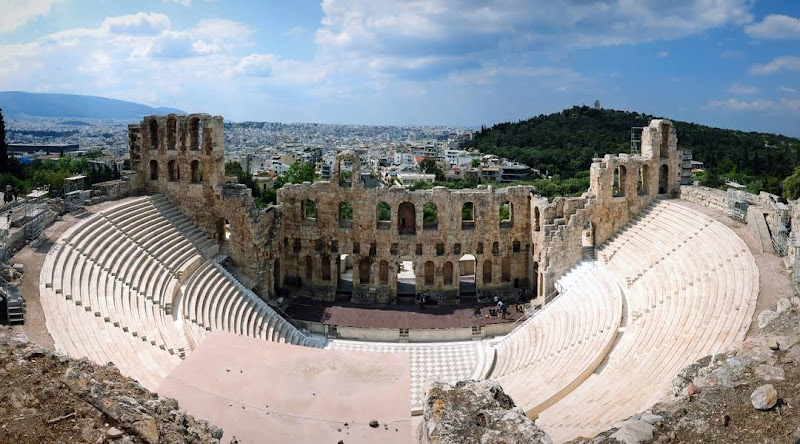
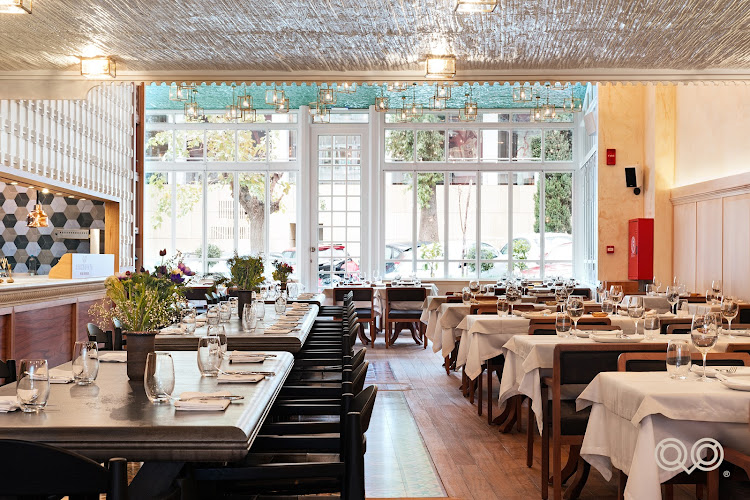
When planning your Athens travel guide or comparing verified attractions and museums in Athens, pair this stop with standout local spots including Odeon of Herodes Atticus, Benaki Museum, Hellenic Motor Museum, and Muse Bistro Athens: Full Visitor Guide & Menu Tips (1.1 km away).