Quick answer: Bagan is Myanmar’s ancient temple kingdom on the Ayeyarwady River, renowned for over 2,000 surviving Buddhist pagodas across red-dirt plains, sunrise hot-air ballooning over Old Bagan, and traditional lacquerware craft.
Editorial disclosure: This destinations.ai guide was prepared with AI assistance and checked against the official sources linked below. Accommodation and activity placeholders may use affiliate links; that does not change the planning advice.
Overview: Why Visit Bagan
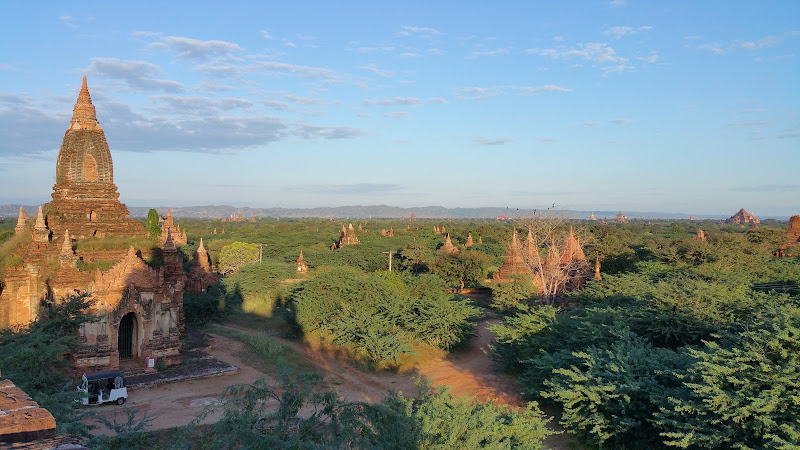
Bagan, situated on the eastern banks of the Ayeyarwady (Irrawaddy) River in central Myanmar’s dry zone, is one of the world’s greatest archaeological landscapes and a UNESCO World Heritage treasure. Between the 9th and 13th centuries, the Pagan Kingdom created a vast Buddhist cultural landscape whose surviving temples and monuments now form the Bagan archaeological area. UNESCO’s current profile is the best reference for the heritage designation and boundaries.
Major highlights include exploring the gilded cruciform corridors of Ananda Temple, marveling at the massive brick engineering of Dhammayangyi Temple, soaring over temple spires in a sunrise hot air balloon, silently touring ancient sandy trails on an electric bicycle (e-bike), watching master artisans craft traditional bamboo lacquerware in Myinkaba, and dining on crunchy fermented tea leaf salad (lahpet thoke) overlooking the river.
Best Time to Visit Bagan
Quick answer: Cool & Dry Season (November to February): The premier travel window and hot air ballooning season. Daytime temperatures average a pleasant 28°C to 31°C (82°F to 88°F) with clear skies and cool morning breezes (15°C / 59°F). Sunrise hot air balloon flights operate exclusively during these months when wind conditions are calm and predictable.
- Cool & Dry Season (November to February): The premier travel window and hot air ballooning season. Daytime temperatures average a pleasant 28°C to 31°C (82°F to 88°F) with clear skies and cool morning breezes (15°C / 59°F). Sunrise hot air balloon flights operate exclusively during these months when wind conditions are calm and predictable.
- Shoulder Season (September to October & March): October brings lush green vegetation following the monsoon, with fewer tourists. March begins the hot season with temperatures climbing to 35°C (95°F).
- Hot Season (April to May): Scorching dry zone heat exceeding 40°C (104°F) by midday. Sightseeing is restricted to early mornings (6:00 AM to 9:30 AM) and late afternoons.
Key Ancient Temples & Monuments
Quick answer: Ananda Temple: Completed in 1105 AD by King Kyansittha, this is the finest and most venerated monument in Bagan. Known as the “Westminster Abbey of Burma,” its gilded central *sikhara* tower rises above a whitewashed Greek-cross floor plan. The inner sanctum houses four 9.5-meter standing teakwood Buddhas representing the four historical Buddhas who have attained Nirvana, with the southern Buddha displaying facial expressions that shift from solemnity to smiling depending on your distance.
- Ananda Temple: Completed in 1105 AD by King Kyansittha, this is the finest and most venerated monument in Bagan. Known as the “Westminster Abbey of Burma,” its gilded central *sikhara* tower rises above a whitewashed Greek-cross floor plan. The inner sanctum houses four 9.5-meter standing teakwood Buddhas representing the four historical Buddhas who have attained Nirvana, with the southern Buddha displaying facial expressions that shift from solemnity to smiling depending on your distance.
- Dhammayangyi Temple: The most massive temple on the plain, built in the late 12th century by tyrant King Narathu. Resembling an Egyptian pyramid, its mortarless brickwork is legendary for being fitted so tightly that a knife blade cannot slip between the bricks.
- Thatbyinnyu Temple: Built in the mid-12th century by King Alaungsithu, this two-story white stucco temple is the tallest monument in Bagan, rising 61 meters (201 feet) into the skyline.
- Shwezigon Pagoda (Nyaung-U): A prototype for later Burmese stupas, begun by King Anawrahta in 1059. Its massive bell-shaped golden stupa sits on three stepped terraces, housing sacred Buddha relics (including a bone and tooth relic) and 37 pre-Buddhist *nat* (spirit) shrines.
- Sulamani Temple: A late 12th-century monument celebrated for its delicate multi-colored exterior glazed brick ornamentation, restored interior fresco paintings, and expansive vaulted brick corridors.
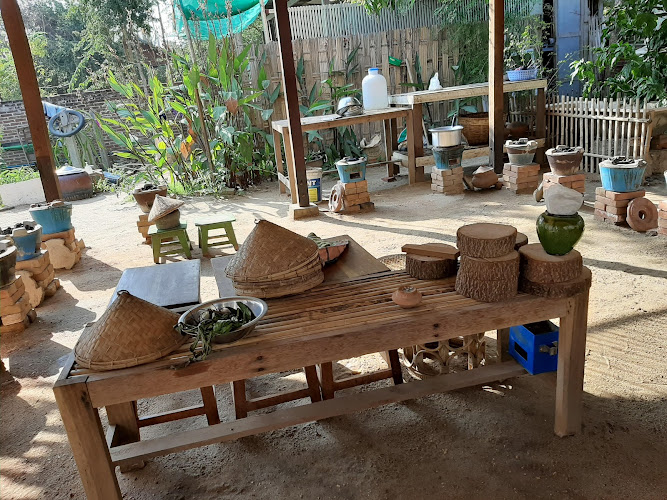
- Traditional Lacquerware Workshops (Myinkaba Village): Visit heritage multi-generational workshops (like Bagan House or Golden Cuckoo) to observe the 6-month artisanal process of weaving flexible horsehair and bamboo frames, applying 16 layers of natural tree lacquer (*thitsi*), and hand-engraving intricate gold-leaf motifs.
Suggested 3-Day Bagan Itinerary
Quick answer: Day 1: Golden Shwezigon, Ananda Temple & Sunset Viewing Mound. Arrive via flight into Nyaung U Airport (NYU). Rent a silent electric scooter (e-bike) and start at Shwezigon Pagoda. Tour the intricate gilded halls of Ananda Temple. In the afternoon, explore the massive corridors of Dhammayangyi. Head to an official elevated sunset viewing mound to watch the sun drop behind the temples.
- Day 1: Golden Shwezigon, Ananda Temple & Sunset Viewing Mound. Arrive via flight into Nyaung U Airport (NYU). Rent a silent electric scooter (e-bike) and start at Shwezigon Pagoda. Tour the intricate gilded halls of Ananda Temple. In the afternoon, explore the massive corridors of Dhammayangyi. Head to an official elevated sunset viewing mound to watch the sun drop behind the temples.
- Day 2: Sunrise Ballooning, Sulamani & Myinkaba Crafts. Take an early morning sunrise hot air balloon flight over the plain (November to March). Tour Sulamani Temple and Thatbyinnyu on your e-bike. In the afternoon, visit Myinkaba village to observe master lacquerware craftsmen. Dine at a riverside restaurant overlooking the Ayeyarwady.
- Day 3: Mount Popa Nat Monastery Excursion & Departure. Take a 1-hour morning excursion to Mount Popa (Taung Kalat), a volcanic plug topped by a sacred Buddhist monastery reachable via 777 covered steps guarded by monkeys. Return to Bagan for a farewell tea house lunch before departing.
Burmese Dry Zone Gastronomy
Quick answer: Lahpet Thoke (Fermented Tea Leaf Salad): Myanmar’s signature culinary creation. Pickled green tea leaves tossed with crunchy roasted peanuts, toasted sesame seeds, fried split yellow peas, crispy garlic chips, fresh sliced tomatoes, shredded cabbage, lime juice, and fish sauce.
- Lahpet Thoke (Fermented Tea Leaf Salad): Myanmar’s signature culinary creation. Pickled green tea leaves tossed with crunchy roasted peanuts, toasted sesame seeds, fried split yellow peas, crispy garlic chips, fresh sliced tomatoes, shredded cabbage, lime juice, and fish sauce.
- Burmese Traditional Curry Feast: Mild, aromatic turmeric-and-shallot-based curries (chicken, beef, pork, or freshwater river fish) served with a dozen complimentary side dishes—including raw vegetables with spicy fermented fish dip (*ngapi ye*), sour soup (*chin baung kyaw*), and pickled vegetables.
- Shan Noodles: Soft rice noodles served dry with marinated minced chicken or pork in sweet tomato-garlic paste, or in a clear aromatic broth with crushed peanuts, pickled mustard greens, and crispy chili oil.
- Tamarind Flakes (Magyi Pya): Sweet-and-sour paper-thin candy wafers made from wild tamarind pulp and palm sugar, traditionally served at the conclusion of meals with hot green tea.
Practical Travel Tips, Safety Advisory & Budget
Quick answer: Travel Advisory & Safety Context: Check current government travel advisories regarding Myanmar prior to booking. The Bagan archaeological zone is generally peaceful and welcoming to international travelers, but overland highway travel across regional boundaries should be avoided; always fly directly between Yangon (RGN) and Nyaung U Airport (NYU) .
- Travel Advisory & Safety Context: Check current government travel advisories regarding Myanmar prior to booking. The Bagan archaeological zone is generally peaceful and welcoming to international travelers, but overland highway travel across regional boundaries should be avoided; always fly directly between Yangon (RGN) and Nyaung U Airport (NYU).
- Bagan Archaeological Zone Fee: A mandatory zone entrance ticket of 25,000 MMK (~$12 USD) is purchased upon arrival at Nyaung U Airport or highway checkpoints, valid for 5 consecutive days.
- Temple Etiquette: Temple climbing is strictly prohibited across all monuments to preserve brickwork. Shoes and socks must be removed before stepping onto any temple terrace or floor. Shoulders and knees must be covered.
- Daily Budget Breakdown:
- Budget traveler: $25–$45 USD (50,000–90,000 MMK)/day (guesthouse in Nyaung-U or New Bagan, e-bike rental for $5/day, local curry and noodle meals).
- Mid-range traveler: $70–$150 USD (140,000–300,000 MMK)/day (3-star resort with swimming pool in New Bagan or Old Bagan, private air-conditioned car or e-bike, guided historian tour, sit-down dinners).
- Luxury traveler: $350–$850+ USD (700,000–1,700,000+ MMK)/day (luxury heritage riverside suite at Aureum Palace Hotel or The Hotel @ Tharabar Gate, sunrise hot air balloon flight with Balloons Over Bagan for $350/person, private sunset river cruise).
Frequently Asked Questions
How many temples are there in Bagan?
The archaeological zone contains a remarkable concentration of surviving temples, stupas, and monasteries from the Pagan Kingdom. Use UNESCO and current local heritage guidance rather than relying on a single rounded monument count.
Can you still climb the temples in Bagan for sunrise?
No, climbing on ancient temple structures has been strictly banned by UNESCO and the Department of Archaeology to protect heritage brickwork. Sunrise and sunset viewing is now enjoyed from designated earthen viewing mounds and designated viewing hills.
What is the best way to get around the temples in Bagan?
Renting a silent electric bicycle (e-bike) for $5 to $8 USD per day is the most flexible, popular, and environmentally friendly way to explore both major monuments and remote sandy trails at your own pace.
Affiliate placeholder: Compare accommodation options after checking the official property details, location, and cancellation terms.
Affiliate placeholder: Check current activity availability, meeting points, accessibility, and cancellation terms before reserving.
Sources and current planning links
Explore more destinations.ai travel guides when building a longer route.
What makes Bagan worth visiting?
Bagan is worth visiting for the relationship between temples, river plain, village life, and Buddhist heritage—not simply for collecting a number of pagoda photographs. The archaeological landscape is broad, exposed, and visually changing with the light. A good itinerary alternates major monuments with quieter lanes, local craft, shaded rest, and enough time to understand that the temples remain sacred places.
Start with the heritage context
UNESCO recognizes Bagan as a cultural landscape associated with the Pagan Kingdom, whose temples, stupas, monasteries, and archaeological remains spread across the plain. An overview from a museum, guide, or heritage source helps explain why buildings that look similar from a distance have different histories, designs, and conservation needs.
Ananda Temple is a useful first major stop for its scale and architectural detail, while Dhammayangyi and other monuments show a different relationship between brick mass, corridors, and light. Access, restoration work, and photography rules can change. Follow the current site instructions and never climb a monument for a sunrise photograph.
How should you explore Bagan’s temples?
Choose an e-bike, bicycle, car with driver, or guided route based on heat, road surface, confidence, and current local conditions. The archaeological zone is too spread out for a single casual walk, while a vehicle can move efficiently between distant monuments but may skip the small tracks and villages that give the landscape its character.
An e-bike offers independence for travelers comfortable with traffic and uneven sandy paths, but battery range, dust, heat, and breakdown support matter. A car and driver suit families, older travelers, or anyone who wants shade between sites. Confirm the vehicle, route, waiting time, and price before departure, and carry offline directions because mobile service can be inconsistent.
Are Bagan hot-air balloon rides worth booking?
A balloon ride can provide a memorable broad view of the plain, but it is an optional, weather-dependent activity with a high price and an early start. Flights are subject to wind, visibility, operator procedures, aircraft availability, and any current safety restrictions. Treat a booking as a possibility rather than the foundation of the entire itinerary.
Compare the operator’s aviation credentials, insurance, passenger briefing, cancellation policy, transport arrangements, and exact meeting time. Do not pay a deposit without reading the current terms. If the flight is canceled, replace it with a ground-level sunrise at an authorized viewpoint, a quiet temple route, or a later river or craft experience.
What should you know about Bagan access and current conditions?
Confirm entry procedures, monument access, road conditions, transport, weather, and government travel advice shortly before the trip because central Myanmar conditions can change quickly. Archaeological-zone fees, validity periods, collection points, and exemptions should be checked through current official or trusted local information rather than copied from an old itinerary.
Government advisories currently describe serious and changing risks in parts of Myanmar, including specific concerns around central regions. Insurance may exclude travel against official advice. Review the advisory issued by your own government, ask the insurer to confirm coverage in writing, and reconsider the trip if the route, accommodation, or transport cannot be verified. A travel guide cannot make an unstable route safe.
Where to stay and what to eat in Bagan
Nyaung-U is practical for restaurants, services, and airport access, Old Bagan suits travelers prioritizing proximity to major heritage sites, and New Bagan offers another cluster of hotels and dining. Compare the exact road access, generator or power arrangements, air conditioning, water, breakfast hours, and transport help before booking.
Myanmar food can include mohinga, tea-leaf salad, noodle dishes, curries, grilled foods, and regional vegetables. Choose busy kitchens with good turnover, use safe drinking water, and introduce unfamiliar dishes gradually. Ask hotels about current restaurant operations because opening hours and supply can change with local conditions.
What crafts and local experiences belong in a Bagan itinerary?
Bagan’s craft traditions are best experienced through a transparent workshop visit that explains materials, labor, provenance, and shipping rather than through pressure to buy. Myinkaba and nearby villages are associated with lacquerware and other handmade goods, but the exact workshops open to visitors change. Ask permission before photographing people or work in progress.
A riverbank sunset, village walk, cooking conversation, or small museum can add context between temple visits. Keep the experience respectful and avoid treating poverty, religious practice, or ordinary work as a staged attraction. Pay agreed fees clearly and follow the guide’s advice about private areas and sacred objects.
A cautious three-day Bagan itinerary
Three days give enough time for a major-temple route, a quieter exploration day, and a flexible day for weather or access changes. The itinerary should remain adjustable until local conditions are confirmed.
- Day one: Arrive through the currently available route, settle in, visit a small heritage orientation stop, and see a limited selection of major temples before the heat builds.
- Day two: Explore by confirmed e-bike, car, or guide, including Ananda and other open monuments, with time for shade, water, and a local craft visit.
- Day three: Use a balloon only if the operator and conditions are confirmed; otherwise choose a ground-level sunrise, a village or river activity, and a final heritage route.
Bagan respect, heat, and accessibility planning
Dress respectfully at religious sites, remove shoes where required, protect against heat, carry water, and follow every current conservation instruction. Sandy tracks, steps, uneven brick, glare, and limited shade make the zone physically demanding. Ask a local operator to identify accessible monuments and vehicle drop-offs if the group needs fewer steps or a shaded route.
Before publishing or booking from this guide, review UNESCO’s Bagan World Heritage profile, the Myanmar Ministry of Hotels and Tourism, and the latest government travel advice for Myanmar. These sources cover heritage context, current tourism information, and safety conditions that a static article cannot guarantee.
For a longer regional route, compare Bangkok, Thailand, Hanoi, Vietnam, Singapore with this destination before finalizing your itinerary.
Explore Bagan by Category: Discover top curated spots across Bagan Attractions & Sightseeing, Best Places to Stay in Bagan, Bagan Restaurants & Dining.