Banff Avenue is thick with burger counters, poutine windows, and souvenir shops selling the same maple candy in a dozen storefronts. Hankki (Banff + Dessert), tucked onto Buffalo Street just off the main strip, breaks that pattern with a fast-casual Korean street food format that has quietly become one of the most talked-about quick bites in the townsite. It is not a fine-dining destination and does not pretend to be — it is a rice-bowl-and-bingsu counter built for hikers, skiers, and families who want real flavor without a sit-down commitment.
Hankki (Banff + Dessert) is a Korean street food counter at 206 Buffalo Street in downtown Banff, Alberta, part of a growing Canadian franchise known for Korean BBQ rice bowls, corn dogs, tteokbokki, and bingsu (shaved-ice dessert). Meals run roughly CAD $12–20 per person, service takes 5–10 minutes, and it’s rated 4.8/5 by visitors — ideal for a fast, filling meal between Banff National Park activities.
At A Glance
| Address | 206 Buffalo Street, Banff, AB T1L 1A1, Canada |
| Operating Hours | Approx. 11:00 AM – 9:00 PM daily (hours shift seasonally; confirm on Hankki’s location page before visiting) |
| Price Range | $$ (CAD $12–20 per person; rice bowls approx. $13–16, corn dogs $6–8, bingsu $10–14) |
| Highlights | Korean BBQ & spicy pork rice bowls, combo bowls (two flavors), Korean corn dogs, tteokbokki, fried chicken, bingsu shaved-ice desserts |
| Transport/Transit Access | Fully walkable in downtown Banff; Roam Transit Route 1 stops within a short walk; no dedicated parking lot, use nearby public lots |
Origins, Format & Cultural Significance in Banff National Park
Hankki is a Korean-Canadian street food franchise that has expanded across several Canadian cities, and its Banff location represents the brand’s push into high-traffic tourist markets where speed and consistency matter as much as flavor. The Banff branch sits inside a compact commercial unit on Buffalo Street, a block that runs parallel to the retail intensity of Banff Avenue but carries a slightly calmer, more local pedestrian flow. This placement is strategic: Buffalo Street draws overflow foot traffic from Banff Avenue’s shopping crowds while also catching visitors moving toward the Bow River pathways and the Cascade Gardens area.
Banff’s dining scene has long leaned toward Alberta beef, alpine lodge cuisine, and pub-style comfort food aimed at a ski-town and hiking-town clientele. Korean street food’s arrival and rapid popularity here reflects a broader shift in mountain towns across North America, where seasonal workers, many from South Korea, Japan, and elsewhere in Asia, make up a substantial share of the hospitality workforce and have created steady demand for food that reflects home. Hankki capitalized on that demand while also appealing to a tourist base increasingly comfortable with Korean flavors thanks to the global reach of Korean pop culture and cuisine over the last decade. In this sense, Hankki’s cultural significance in Banff is less about heritage architecture and more about representing a generational shift in what “local food” means inside a national park townsite historically built around railway-era hotels and Swiss-alpine aesthetics.
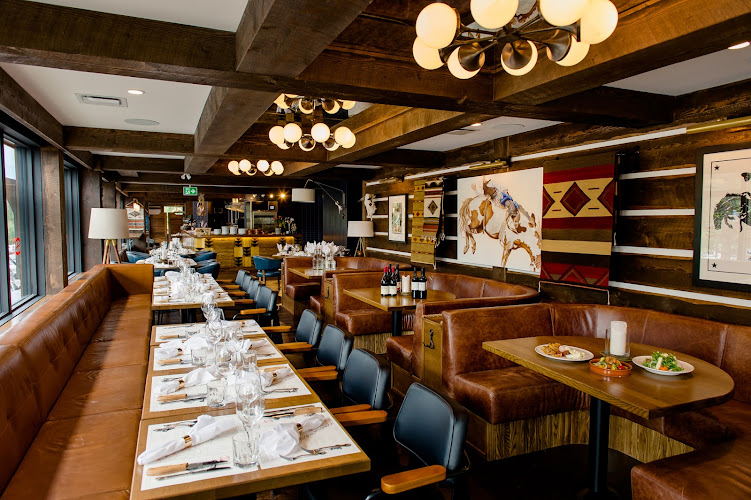
Architecturally, the space itself is unpretentious: a storefront unit fitted with a service counter, a small kitchen line visible to customers, and minimal seating built for turnover rather than lingering. There is no attempt at thematic Korean decor beyond signage and menu boards — the design language is closer to a modern quick-service kiosk than a themed restaurant, which suits its role as a functional stop rather than a destination meal.
Signature Highlights & Detailed Offerings
The backbone of the menu is the Korean street rice bowl, served over steamed rice with a choice of protein and sauce. Core options include Korean BBQ beef, spicy pork (a gochujang-based marinade with visible char from the flat-top), sweet chicken, spicy chicken, and a crispy fried chicken variant, plus a vegetarian option built around fried dumplings for guests avoiding meat. Bowls are typically finished with pickled vegetables, sesame seeds, and a drizzle of house sauce, and the combo option — allowing two proteins split across a single bowl — is one of the most frequently mentioned crowd favorites in customer reviews, letting indecisive diners sample both a savory and a spicy profile in one order.
Beyond rice bowls, the corn dog program deserves specific mention: Korean-style corn dogs here are coated in a rice-flour batter, often rolled in diced potato or panko for texture, then deep-fried and finished with a sugar dusting and ketchup-mustard drizzle — a format that has become a viral food category globally and photographs well for social media, which partly explains Hankki’s strong online visibility relative to its footprint. Tteokbokki (chewy rice cakes in a spicy-sweet gochujang sauce) rounds out the savory side for guests wanting something closer to a shareable snack than a full meal.
On the dessert side — reflected in the shop’s full name, Hankki (Banff + Dessert) — bingsu is the headline item: a shaved-ice base topped with condensed milk, fruit, red bean, or matcha depending on the variant offered, designed to be shared between two or more people after a day on the trails or slopes. Portions are generous by dessert-counter standards, and the bingsu functions as the shop’s main daytime cooling item during Banff’s warmer shoulder-season months.
- Korean BBQ Beef Rice Bowl — approx. $14–16
- Spicy Pork Rice Bowl — approx. $14–16
- Combo Bowl (choice of two proteins) — approx. $16–18
- Korean Corn Dog (classic or cheese-stuffed) — approx. $6–8
- Tteokbokki — approx. $8–10
- Bingsu (shareable shaved ice) — approx. $10–14
Sensory & Spatial Walkthrough
Walking in from Buffalo Street, the first sensory hit is the smell of the flat-top griddle — caramelizing gochujang and sesame oil mixed with the sugar-fried scent from the corn dog fryer. The counter is positioned so the cooking line is visible, giving the space an open-kitchen energy rather than a hidden back-of-house feel; this transparency is part of the appeal for visitors unfamiliar with the cuisine, since watching the bowl assembled builds trust in freshness. Lighting is bright and even, functional rather than moody, with the kind of even overhead illumination typical of quick-service spaces designed to keep queues moving and food visibly appetizing on display screens and menu boards.
Seating is limited and utilitarian — a handful of stools or small tables meant for a fast meal rather than conversation over wine. Acoustically, the space carries the clatter of a working kitchen: sizzling proteins, the whir of the fryer, and the low hum of a compact ventilation system, layered against the ambient street noise from Buffalo Street’s pedestrian and light vehicle traffic. Midday during peak summer season, the pace inside is brisk, almost frantic, as tour groups and families queue three or four deep. By early evening, particularly after 8 PM, the pace slows and the shop takes on a calmer, almost neighborhood-diner quality, with staff more likely to chat with regulars and shoulder-season workers grabbing a late dinner.
Insider Visitor Strategy & Pro Tips
Banff’s summer peak (late June through early September) brings heavy foot traffic to every food counter downtown, and Hankki is no exception — expect a 10–15 minute wait during the 12:00–2:00 PM lunch rush and again from 6:00–7:30 PM. The smartest arrival windows are either right at opening (around 11:00 AM) or in the 3:00–5:00 PM lull between lunch and dinner crowds, when the kitchen can turn orders around in the advertised 5–10 minutes. Winter visitors coming off a day at Sunshine Village or Lake Louise ski resort will find far shorter lines, and the shop functions well as a quick, warming stop before heading back to accommodation.
Because seating is limited, plan to take food to go if visiting during peak hours — the Bow River pathway and Central Park along the river are a five-minute walk and make for a pleasant place to eat outdoors in good weather. There is no formal reservation system since it operates as a counter-service format; orders are taken and paid for at the register, and card payment is standard (carrying cash is not necessary, though small bills help for tipping jars common in Banff service spots). For photography, the corn dogs and bingsu are the most visually rewarding items — natural light near the front window works better for food photos than the interior overhead lighting further back.
Curated Half-Day Neighborhood Pairing Itinerary
Start the morning at the Whyte Museum of the Canadian Rockies (a 6–8 minute walk south), which covers roughly 90 minutes and offers a grounding in the valley’s mountaineering and settler history before diving into modern food culture. From there, walk north back toward Banff Avenue and detour to Cascade Gardens (about 10 minutes on foot), the formal terraced garden behind the old Park Administration Building, ideal for 20–30 minutes of photography with Cascade Mountain as a backdrop. Continue to Buffalo Street for lunch at Hankki — arrive by early afternoon to beat the worst of the queue, and order a combo rice bowl plus a shared bingsu if the group is large enough to split it. Finish the half-day loop with a stroll across the Bow River Bridge to the Surprise Corner viewpoint and Bow Falls trail (10–12 minutes from Hankki), a short, largely flat walk offering one of Banff’s most photographed views of the Fairmont Banff Springs Hotel against the river gorge.
Practical Logistics & Universal Accessibility
Hankki sits within Banff’s compact, entirely walkable townsite grid, so most visitors staying in downtown hotels or hostels will reach it on foot in under 10 minutes. Those arriving by Roam Transit (the regional public bus network connecting Banff, Canmore, and Lake Louise) should use Route 1 or Route 2, both of which stop within a short walk of Banff Avenue and Buffalo Street. Drivers should note that street parking on Buffalo Street is limited and often metered or time-restricted; the larger public lots off Bear Street and the Banff Train Station lot (a short walk away) typically charge in the range of $2–3 per hour or offer daily flat rates during peak season — arrive early to secure a spot in July and August.
The storefront is at street level with no stairs to navigate, making it accessible for wheelchair users and those with strollers, though interior aisle space is tight given the compact counter-service layout. There is no formal dress code — Hankki caters to hikers in trail gear, skiers in full winter kit, and casual sightseers alike. Payment is accepted via major credit and debit cards, and contactless/tap payment is standard practice across Banff’s food service industry. Free public washrooms are available nearby at Banff’s central municipal facilities rather than inside the restaurant itself, given its compact footprint.
Frequently Asked Questions
Is Hankki in Banff good for a quick lunch between hikes?
Yes — the format is built for speed, with most orders ready in 5–10 minutes, making it well suited to a mid-hike refuel or a fast meal before catching a shuttle to the trailhead.
Does Hankki Banff take reservations?
No, it operates as counter service only; guests order and pay at the register, with no reservation system in place.
Are there vegetarian options at Hankki?
Yes, a vegetable dumpling-based bowl is available for vegetarian guests, though the majority of the menu centers on meat proteins.
How much does a typical meal cost at Hankki Banff?
Expect to spend roughly CAD $12–20 per person for a rice bowl or combo, with corn dogs and shareable bingsu as reasonably priced add-ons.
Is there seating inside Hankki, or is it takeout-focused?
Seating is limited to a handful of stools/small tables; most guests take food to go, especially during peak summer lunch hours.
What is the best time to visit to avoid a queue?
Arrive right at opening (around 11:00 AM) or in the mid-afternoon lull between 3:00 and 5:00 PM to avoid the lunch and dinner rush windows.