Editorial disclosure: This destinations.ai guide was prepared with AI assistance and checked against the official sources linked below. Accommodation and activity placeholders may use affiliate links; that does not change the planning advice.
Banff National Park in Alberta, Canada, places you among glacier-fed lakes, limestone peaks, forested valleys, and a compact mountain town with useful services. You’ll get the most from your visit by treating Lake Louise, Moraine Lake, Banff townsite, and the Icefields Parkway as separate destinations that need time and transport planning.
A well-planned Banff National Park travel guide starts with advance reservations, flexible weather expectations, and a realistic daily radius from your accommodation. Popular lake access, campgrounds, tours, and peak-season rooms fill well ahead of arrival.
Key Takeaways
- Reserve lake transport, accommodation, and camping early for summer visits.
- Build your days around one major area to reduce time in traffic.
- Carry layers, food, water, and wildlife awareness on every outing.
Quick Answers and Trip Profile
Banff National Park is Canada’s first national park, located in the Canadian Rockies of Alberta and forming part of the Canadian Rocky Mountain Parks UNESCO World Heritage Site. You’ll find its main visitor bases in the Town of Banff, Lake Louise, and nearby Canmore, with Calgary International Airport serving as the usual air gateway.
The park is large enough that a short trip needs priorities. Two days gives you Banff townsite and the Lake Louise area; three days adds a scenic drive, longer hike, or an outing toward the Columbia Icefield. Give yourself more time if you want backcountry hiking, skiing, wildlife viewing, or nearby Yoho and Kootenay national parks.
You need a valid park entry pass when visiting by vehicle or entering the park by other means. Parks Canada states that the Canada Strong Pass ends on September 7, 2026, and daily admission or an annual Discovery Pass is required from September 8, 2026. Check current Banff National Park passes and fees before departure.
Banff works well for independent travellers, families, couples, photographers, hikers, and car-free visitors willing to reserve shuttles. Your experience improves when you begin popular outings early, use transit where available, and leave time for mountain weather changes.
Best Things to Do in Banff National Park, Alberta, Canada
Banff’s best experiences pair a signature viewpoint with an activity that lets you spend meaningful time in the landscape. Give each major lake or mountain area its own half-day or full day, particularly during summer.
- Lake Louise: Walk the lakeshore for a classic view of Victoria Glacier, rent a canoe when available, or hike toward Lake Agnes and the Lake Agnes Teahouse when trail conditions permit. This is one of the park’s busiest areas, so reserve approved transport or arrive according to current access guidance.
- Moraine Lake: Visit the Valley of the Ten Peaks through the seasonal access system. Personal vehicle access is restricted, so plan around a shuttle, commercial operator, bicycle access, or other permitted transport. Check Parks Canada visit planning information for current seasonal rules.
- Banff Gondola and Sulphur Mountain: Ride the Banff Gondola for elevated views across the Bow Valley, then use the boardwalk at the summit. Save this for clear or partly clear weather if wide mountain views are your priority.
- Johnston Canyon: Follow the maintained canyon trail to waterfalls and dramatic limestone walls. It’s a popular year-round walk, with icy conditions requiring traction devices in winter.
- Lake Minnewanka Loop: Drive or take seasonal transit around Lake Minnewanka, Two Jack Lake, Johnson Lake, and Cascade Ponds. A boat cruise, shoreline walk, picnic, or short cycling outing fits well here.
- Icefields Parkway: Travel north from Lake Louise on one of Canada’s great mountain roads. Bow Lake, Peyto Lake, Mistaya Canyon, Saskatchewan River Crossing, and the Columbia Icefield are substantial stops, so don’t treat the route as a quick detour.
- Cave and Basin National Historic Site: Visit Cave and Basin National Historic Site to connect the park’s origin story with its thermal springs and protected cave-and-basin ecosystem.
Keep your schedule open for a viewpoint, trail, or lake that looks better after clouds lift. A rushed checklist leaves little room for the mountain conditions that shape each day.
History, Culture, and Local Character
Banff’s character comes from Indigenous connections to these mountain lands, the railway-era growth of tourism, and more than a century of protected-area stewardship. Indigenous peoples have used the region’s lands and waters for millennia for travel, trade, ceremony, and sustenance, as outlined in the Banff visitor guide.
The park began in 1885 after the discovery of hot springs near Cave and Basin. Its early protection set a national precedent, while the Canadian Pacific Railway helped establish Banff Springs as an international mountain destination. You’ll see that history in the grand railway hotel silhouette, heritage buildings, and the townsite’s compact commercial streets.
Treat the park as a living cultural landscape, not a backdrop. Learn whose traditional territories you’re visiting, read interpretive displays, follow closures designed to protect wildlife and habitat, and choose guided interpretation if you want more context. A guided history and culture tour offers a focused way to connect place names, ecology, railway history, and Indigenous perspectives.
The Town of Banff remains a working mountain community with residents, seasonal staff, schools, services, and a heavy visitor load. Stay patient in busy pedestrian areas, use marked crossings, and give elk and other wildlife ample space when they appear near town.
Neighborhoods, Parks, and Outdoor Activities
Choose your base by the activities you want to repeat, because Banff National Park’s main areas are separated by significant road distance. The Town of Banff suits dining, local transit, the gondola, Bow Valley walks, and access to Lake Minnewanka; Lake Louise puts you closer to the park’s most famous lakes and trailheads.
Banff townsite is the best base for a first visit with varied plans. You can walk Banff Avenue, cross the Banff Pedestrian Bridge, browse services, and reach river paths or Central Park between larger excursions. The surrounding Bow Valley offers Vermilion Lakes, Tunnel Mountain, Cascade Mountain views, and the Fenlands trail network.
Lake Louise feels quieter after day visitors leave and makes early lake departures easier. Stay here if hiking is central to your trip, especially for Lake Agnes, the Plain of Six Glaciers, Saddleback, or routes accessed from the Lake Louise area. Confirm trail reports before setting out, since snow, avalanche terrain, wildlife management, and maintenance affect access.
Castle Junction and the Highway 1A corridor suit you if you want Johnston Canyon, Bow Valley Parkway scenery, cycling, and a less town-centred stay. Seasonal road restrictions affect this corridor, so check official updates before planning a drive.
For outdoor activities, match the outing to your skill level and conditions. Day hikers should carry bear spray, water, insulation layers, rain protection, navigation, and food. Cyclists need to account for highway traffic, weather, and elevation. Winter visitors should choose maintained trails, skating areas, ski resorts, or guided activities that align with current avalanche and weather information.
Where to Stay and What to Eat
Stay in the Town of Banff for the widest selection of hotels, restaurants, transit connections, and evening walkability. Lake Louise gives you faster access to the lakes and high-elevation trails, while Canmore offers an alternative base outside the park, about 25 kilometres from Banff, with a broader range of lodging styles.
Book Banff and Lake Louise accommodation well ahead for July, August, holiday periods, and ski season. Camping requires separate planning, with frontcountry and backcountry reservations, rules, and opening dates managed through Parks Canada. Confirm availability, vehicle limits, and equipment requirements before you arrive.
Your lodging choice should reflect your transport plan:
- Banff townsite: Best for car-free travellers, dining, tours, and short walks.
- Lake Louise: Best for early access to lake-area activities and high-country hiking.
- Canmore: Best for a larger town setting and easier access to Calgary from the Trans-Canada Highway.
- Campgrounds: Best when you reserve early and are equipped for mountain weather.
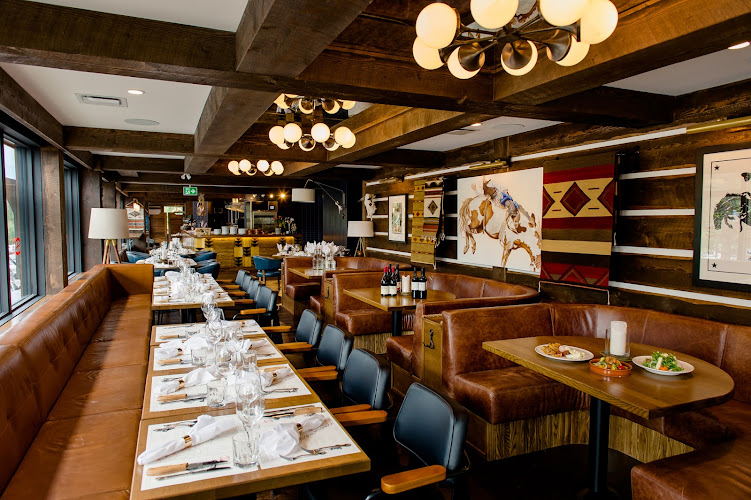
For food, plan for a mix of sit-down meals, groceries, packed trail lunches, and snacks. Banff Avenue has the highest concentration of restaurants, while Lake Louise choices are fewer and benefit from reservations in busy months. You can book a mountain-view meal at Sky Bistro after a gondola visit, or choose a central Banff dinner such as La Terrazza when you want a more formal evening.
Carry your own lunch on hiking days. Trailhead food options are limited, and food storage rules apply in campgrounds and backcountry areas.
How to Get There and Get Around
Fly into Calgary International Airport and travel west to Banff by rental car, shuttle, bus, or scheduled transfer. The drive from Calgary to Banff follows the Trans-Canada Highway and takes about 1 hour 45 minutes in favourable conditions, though winter weather, construction, and traffic affect timing.
A car gives you the most flexibility for trailheads, scenic roads, and early starts. It also brings parking pressure at Lake Louise, Moraine Lake access points, Johnston Canyon, and Banff townsite. Use designated parking only, build in extra time, and avoid stopping along road shoulders for wildlife or photographs.
You can visit without a car by combining airport transfers, Roam Transit, seasonal lake shuttles, walking, cycling, and guided tours. The Banff and Lake Louise transportation guide outlines current public transit and shuttle options. Routes, frequency, and operating dates change by season, so check them close to travel.
Within Banff townsite, walking is efficient. The river paths, downtown streets, hotel area, and many visitor services sit within a manageable area. Cycling is useful on designated paths and roads when conditions are dry and you’re comfortable sharing space.
For Lake Louise and Moraine Lake, reserve transport before you make other fixed plans. Vehicle access policies, parking availability, and shuttle schedules determine how your day will unfold.
Best Time to Visit and Seasonal Planning
June through September offers the broadest access to lakes, trails, sightseeing, and road trips, while December through March suits skiing, snowshoeing, skating, and winter sightseeing. Your ideal month depends on whether you prioritize turquoise water, wildflowers, hiking, fall colour, powder snow, or lower visitor volume.
Summer brings long daylight hours and the fullest activity calendar. Lake Louise and Moraine Lake are intensely busy, afternoon thunderstorms are common in mountain terrain, and snow can remain on high trails into summer. Start early, reserve transport, and pack a waterproof layer even on bright mornings.
Early autumn offers cool hiking weather, changing larches in selected alpine areas, and a quieter feel after summer holidays. Snowfall can arrive at elevation, and some seasonal services reduce operations. Check road and trail reports each day.
Winter turns Banff into a snow-sports destination. Sunshine Village, Lake Louise Ski Resort, and Mt. Norquay serve downhill skiers and snowboarders, while lower-elevation trails support winter walking and snowshoeing when conditions allow. You need winter driving readiness if you rent a vehicle, including suitable tires and comfort with rapidly changing road conditions.
Spring is the least predictable period for lake colour and hiking access. Valley walks may be clear while higher trails remain snowy or muddy. For broader trip-timing context beyond Banff, use this guide to the best time of year for a vacation, then match your dates to Banff’s current conditions.
A Practical Two- or Three-Day Itinerary
A three-day Banff itinerary gives you enough time to see Lake Louise, explore Banff townsite, and devote a day to a scenic corridor without constant repacking. Reserve lake transport, major attractions, and dining before locking in the sequence.
- Day 1: Banff townsite and the Bow Valley. Begin at Cave and Basin National Historic Site, then walk or cycle around town and the Bow River. Spend the afternoon at the Banff Gondola or on a lower-elevation hike such as Tunnel Mountain, followed by dinner in town.
- Day 2: Lake Louise and Moraine Lake. Use your pre-booked shuttle or permitted transport early in the day. Walk Lake Louise’s shoreline, choose a suitable hike if conditions support it, then continue to Moraine Lake within your transport window. Keep your plans modest enough to allow for queues and changing weather.
- Day 3: Icefields Parkway or Lake Minnewanka. Drive north from Lake Louise toward Peyto Lake and Bow Lake if roads are clear and you want a full scenic day. Choose Lake Minnewanka, Two Jack Lake, and Johnston Canyon if you prefer a shorter driving day from Banff.
For a two-day trip, combine the first day’s town and Bow Valley activities with Lake Minnewanka, then dedicate the second day to Lake Louise and Moraine Lake. Avoid adding the Icefields Parkway to that schedule unless you’re comfortable with a long day and limited stops.
A winter version works best with one ski or snow activity day and one sightseeing day. Confirm lift operations, road conditions, and trail status before you leave your accommodation.
Costs, Safety, Accessibility, and Reservations
Budget for park admission, accommodation, meals, fuel or transfers, lake transport, activities, and travel insurance before you arrive. Hotel and rental-car rates rise sharply during summer and holiday periods, while camping and self-catered meals help control spending when reservations are secured early.
Parks Canada publishes current charges for admission, camping, backcountry permits, fishing permits, guided activities, and the Discovery Pass. Youth receive free admission, while adults still need the appropriate entry pass. Check the current Banff fee schedule for exact rates before you budget.
Reservations deserve priority for:
- Lake Louise and Moraine Lake shuttles or commercial transport
- Frontcountry campsites and backcountry permits
- Popular summer hotels and winter ski accommodation
- Gondola tickets, cruises, guided trips, and key dining times
Safety begins before you reach a trailhead. Read current Banff trail conditions each day, tell someone your route, carry bear spray where appropriate, and keep wildlife at a respectful distance. Never feed animals or approach them for photographs.
Recreational drone use is prohibited in Banff National Park, and Parks Canada states that enforcement action may include fines up to $25,000. Respect closures, seasonal restrictions, and roadside wildlife controls.
Accessibility varies widely by attraction, season, snow conditions, and surface type. Paved townsite paths, some interpretive attractions, selected viewpoints, and gondola facilities offer more accessible options than backcountry routes. Contact an attraction or operator before booking if you need information about mobility devices, accessible washrooms, parking, seating, or transfer requirements.
Sources and Current Planning Links
Use official information close to your travel dates, since weather, wildfire conditions, road access, shuttles, closures, and reservation systems change throughout the year.
- Parks Canada Banff National Park homepage
- Parks Canada Banff trip-planning information
- Parks Canada brochures, trail maps, and visitor publications
- Banff and Lake Louise visitor travel information
- Banff National Park destination information
- Parks Canada Banff visitor guide publication record
Frequently Asked Questions
Banff National Park rewards advance planning with memorable lake, mountain, wildlife, and heritage experiences. Your best trip length and season follow from the activities you want to prioritize and the transport you can reserve.
Is Banff National Park worth visiting?
Banff National Park is worth visiting if you want accessible Canadian Rockies scenery alongside established hiking, sightseeing, and winter recreation infrastructure. You’ll have the best experience when you plan beyond Lake Louise, adding Banff townsite, the Bow Valley, or the Icefields Parkway.
How many days in Banff is enough?
Three days is enough for a strong first visit, with time for Banff townsite, Lake Louise and Moraine Lake, plus one scenic-drive or hiking day. Two days works for a focused highlights trip, while four to seven days gives you room for longer hikes, rest days, nearby parks, and weather flexibility.
What month is the best month to visit Banff?
September is an excellent month for hiking, cooler temperatures, and fewer summer crowds after the busiest holiday period. Choose July or August for the widest range of summer services and lake access, or January through March for skiing and winter activities.
What do I need to know before going to Banff?
You need a valid park pass, accommodation or campsite reservations, and a transport plan for Lake Louise and Moraine Lake. Pack for rapid weather shifts, check daily road and trail conditions, carry food and water, and follow wildlife-distance and food-storage rules.
What can families do in Banff National Park?
Families can enjoy lakefront walks, the Banff Gondola, Cave and Basin National Historic Site, Lake Minnewanka, picnic areas, wildlife interpretation, easy cycling, and short waterfall walks. Choose routes suited to your children’s stamina, bring extra layers and snacks, and keep young visitors close around water, wildlife, and busy roads.
What day trips can you take from Banff National Park?
You can take day trips from Banff to Lake Louise and Moraine Lake, Johnston Canyon, Lake Minnewanka, the Icefields Parkway, Yoho National Park, Canmore, and Kootenay National Park. Reserve lake transport in advance, check borderless park-entry requirements for each destination, and allow substantial driving time for the Icefields Parkway.
Affiliate placeholder: Compare accommodation options after checking the official property details, location, and cancellation terms.
Affiliate placeholder: Check current activity availability, meeting points, accessibility, and cancellation terms before reserving.